Typhoon Dujuan Approaches Tokyo, Forcing Mass Evacuations and Flight Cancellations
Typhoon Dujuan is bearing down on eastern Japan with powerful winds and heavy rain, prompting authorities to urge nearly two million residents to evacuate and causing widespread disruption.
By Oliver Hartmann · First published 21 Sept 2026
In brief
- Typhoon Dujuan is approaching Japan's Pacific coast with winds reaching up to 144 kilometers per hour.
- Authorities have urged almost two million people in eastern Japan, including the Tokyo area, to evacuate due to flood and landslide risks.
- Hundreds of flights and train services have been canceled, affecting travel during a major Japanese holiday period.
- The typhoon has already led to the postponement of events such as the Asian Games equestrian competition in Aichi Prefecture.
- Meteorological agencies warn of an imminent threat to life, with concerns about potentially record-breaking rainfall and further disruptions.
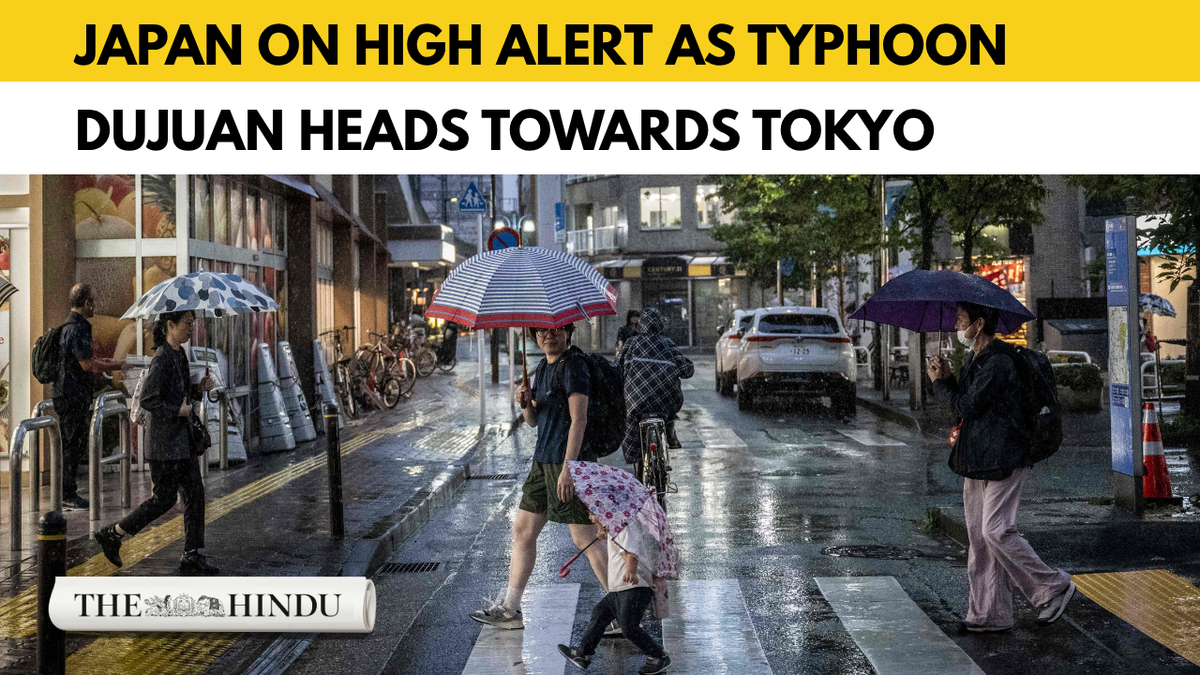
Timeline · 4 moments
Typhoon Dujuan approaches Japan's Pacific coast
The Hindu ↗Japanese authorities urge nearly two million to evacuate
France24 ↗Hundreds of flights and train services canceled across Japan
Deutsche Welle ↗Asian Games equestrian event postponed in Aichi Prefecture
NDTV News - World-news News ↗How it started
Typhoon Dujuan began forming over the Pacific, gathering strength as it tracked toward Japan's eastern coastline. Early forecasts warned that the storm could bring dangerous winds and heavy rain to densely populated regions, including the Tokyo metropolitan area.
As the typhoon approached, Japanese authorities closely monitored its path and issued early alerts. The Japan Meteorological Agency warned that the storm could bring significant risks of flooding and landslides, especially in coastal and low-lying areas.
How it unfolded
By September 21, 2026, Typhoon Dujuan was situated about 130 kilometers south of Katsuura, near Tokyo, with sustained winds reaching 144 kilometers per hour, according to Franceinfo(#9). Authorities began issuing evacuation advisories to residents in the projected path of the storm.
As the typhoon moved closer, the number of people under evacuation orders climbed rapidly. By Monday, nearly two million residents across six prefectures, including Tokyo, were urged to leave their homes, as reported by France24(#12).
The storm caused widespread travel disruptions. At least 275 flights were canceled, and train services faced significant delays and cancellations, according to Deutsche Welle(#2). The disruptions coincided with a five-day Japanese holiday, amplifying the impact on travel plans.
Sporting events were also affected. Organizers of the Asian Games in Aichi Prefecture postponed the equestrian eventing competition due to the approaching storm, NDTV News(#3) reported.
The Japanese government heightened its response, with Prime Minister Fumio Kishida postponing an official trip to the United States as a precaution, Adnkronos(#5) noted.
Where it stands
Typhoon Dujuan is now nearing the Tokyo region, bringing torrential rain and strong winds. Authorities remain on high alert, with nearly two million people under evacuation advisories and many areas facing an imminent threat to life, according to meteorological agencies.
Transport remains heavily disrupted, with hundreds of flights grounded and major train lines affected. Emergency services are preparing for possible rescue operations as the risk of landslides and flooding remains high.
What to watch
Meteorologists are monitoring whether Typhoon Dujuan will regain further strength as it makes landfall. The main concerns are potential record rainfall, severe flooding, and landslides in vulnerable areas.
Officials are also watching how long travel and event disruptions will last, and whether further evacuations will be needed as the situation evolves.
More in Environment
All →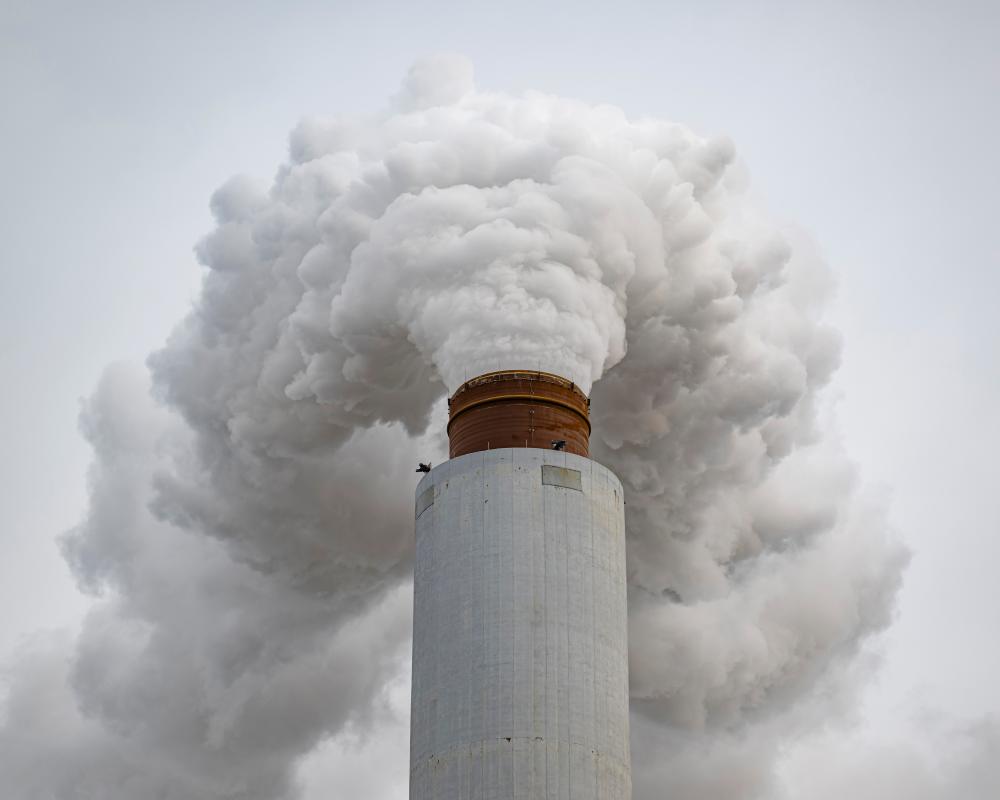
EPA Moves to Repeal Biden-Era Carbon Pollution Limits for Power Plants
The US Environmental Protection Agency is set to scrap rules limiting greenhouse gas emissions from coal and gas power plants, shifting climate policy and affecting future regulation.
24 sources · over 4 days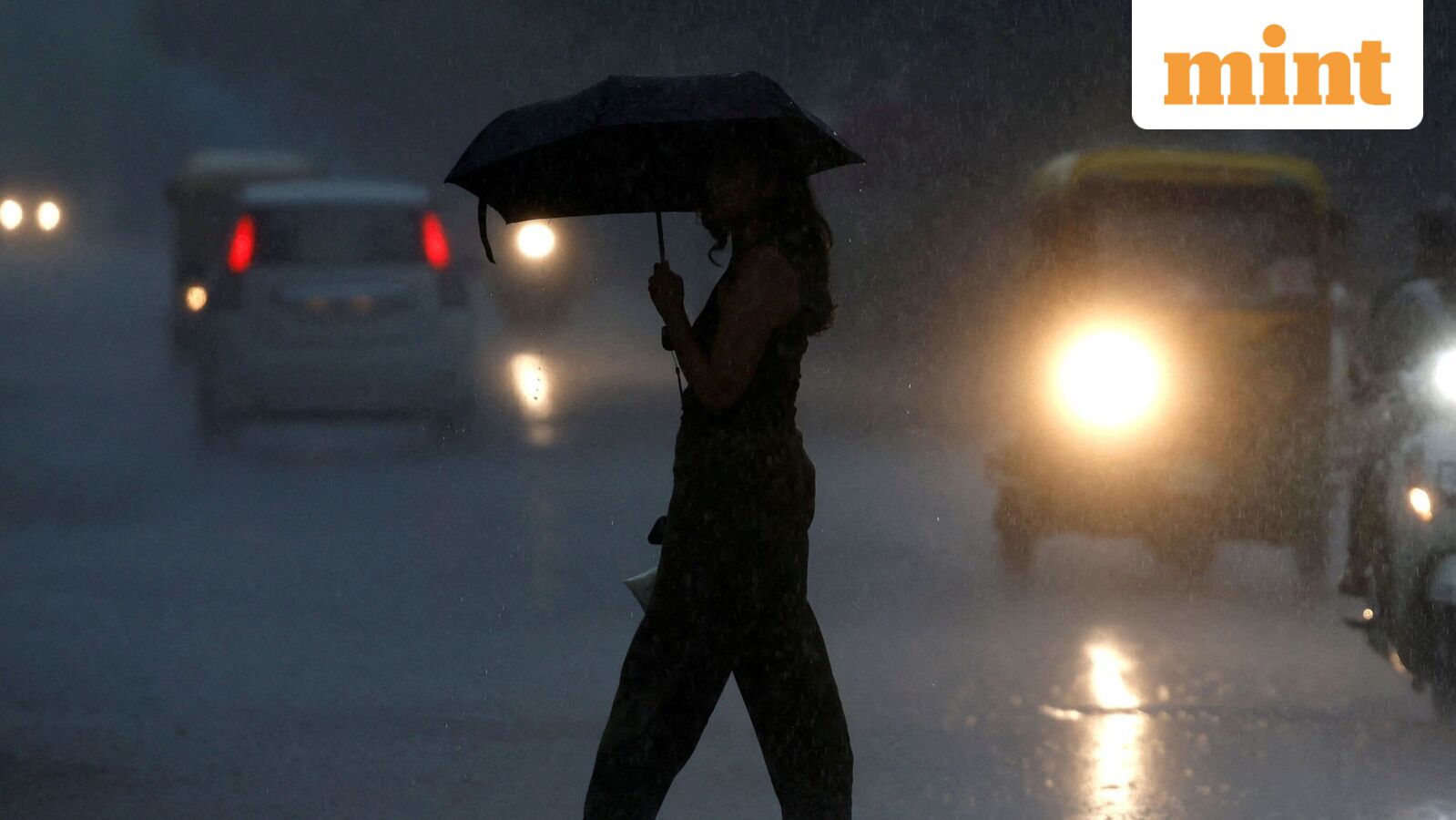
Heavy Rain Triggers Red Alert in Delhi as Monsoon Nears Its End
Delhi is facing prolonged heavy rainfall and a red alert, affecting daily life and coinciding with the BRICS Summit, as the monsoon season prepares to withdraw from North-West India.
8 sources · over 7 days
Hurricane Lowell Hits Hawaii While Hurricane Marie Pounds Southern California Coast
Hurricane Lowell brought severe storms, flooding, and power outages to Hawaii as Hurricane Marie battered Southern California, highlighting a year of unusually intense Pacific storms affecting both regions.
15 sources · over 7 days