UK Air Travel Disrupted After Millisecond Software Defect Hits Air Traffic Control
A software glitch in the UK's air traffic control system caused over 2,000 flight cancellations and widespread delays, sparking a government investigation into how the fault occurred and was handled.
By Isabel Navarro · First published 18 Sept 2026
In brief
- A software defect in the UK National Air Traffic Services system caused massive disruptions to air travel this month.
- Over 2,000 flights were cancelled and hundreds of thousands of passengers were affected across the country.
- The software error was traced to a system responsible for assigning aircraft identification codes and lasted only a millisecond.
- A government probe has been launched to investigate the incident, but the NATS chief remains in place for now.
- Airlines suffered significant financial losses, and officials have ruled out human error as a cause.
Timeline · 5 moments
Software defect causes air traffic system failure
Daily Mail ↗Over 2,000 flights cancelled as disruption spreads
Home | GB News ↗Airlines report major financial losses from cancellations
Arab News ↗NATS releases preliminary report on software glitch
Hacker News: Front Page Startups ↗Officials confirm no staff error in incident
PA Media: UK News ↗How it started
The trouble began when a fault appeared in the UK's air traffic control system. The body responsible, National Air Traffic Services (NATS), first detected the issue in a part of its software that assigns identification codes to aircraft. This glitch, although it lasted just a millisecond, had an outsized impact on the system and the flights it managed.
According to GB News, this software fault quickly led to widespread problems, affecting not just a few flights but a huge number of scheduled services. The disruption caught both passengers and airlines off guard, leading to confusion and concern about the reliability of critical infrastructure.
How it unfolded
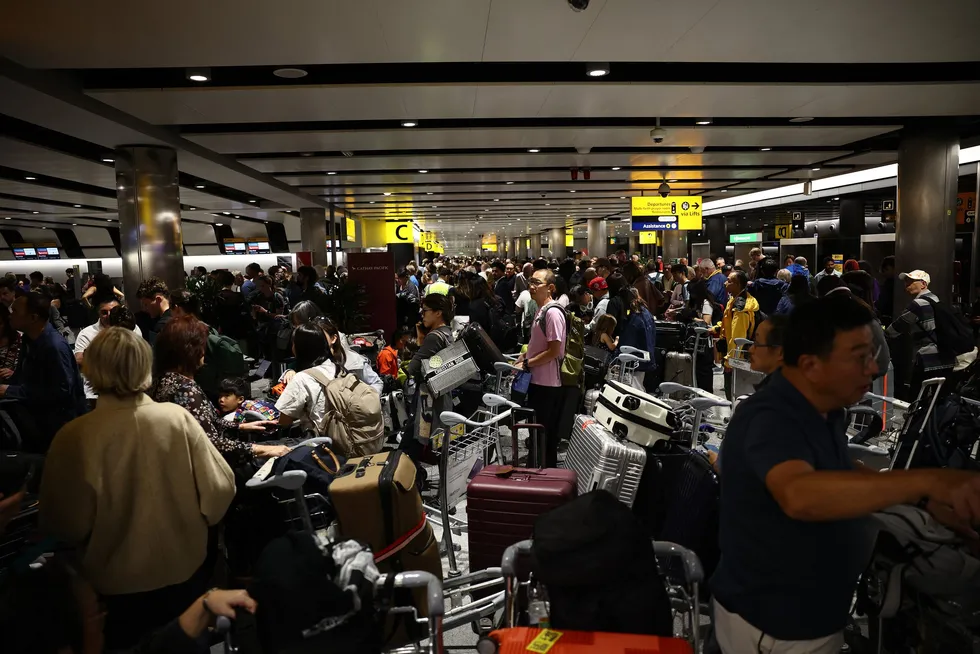
On September 8, the software defect triggered a cascade of delays and cancellations, grounding flights across the UK. The impact was immediate, with more than 2,000 flights ultimately cancelled, according to Daily Mail. Hundreds of thousands of passengers faced disruptions, many stranded at airports or forced to change their travel plans.
In the following days, airlines began reporting major operational and financial losses. The chaos prompted calls for an explanation and accountability, especially as the scale of the disruption became clear.
By September 18, NATS published a preliminary report at the request of the Secretary of State for Transport, detailing the technical causes and how the problem was resolved, as noted by Hacker News. The report confirmed that the disruption was not due to any individual's mistake, but rather to a rare software glitch that occurred within a fraction of a second.
The government responded by ordering an official investigation into the incident, while deciding not to dismiss the head of NATS at this stage.
Where it stands
Flights have since returned to normal, but the effects of the disruption are still being felt by airlines and passengers. The government probe is ongoing, with officials seeking to understand how such a critical fault could happen and what can be done to prevent a recurrence.
NATS maintains that the incident was solely the result of a technical defect and that staff acted correctly throughout. The focus is now on strengthening the system to ensure reliability in the future.
What to watch
The main issue to watch is the outcome of the government investigation into the software defect. Authorities will be assessing whether changes to oversight, system design, or management are needed. There may also be further scrutiny of NATS leadership as findings emerge.
More in Technology
All →
AI Safety Takes Center Stage as Tech Leaders Clash at Dreamforce
Top AI executives debated calls to slow development and improve safety at Dreamforce, highlighting deep divisions over how to manage the risks of powerful artificial intelligence systems.
97 sources · over 5 days
Microsoft and OpenAI Staff Raised Alarms Over AI Scraping, Court Filings Show
Newly unsealed court documents reveal internal concerns at Microsoft and OpenAI about the ethics and risks of using news content for AI training, as legal and industry scrutiny intensifies.
15 sources · today
Security Researchers Breach OpenAI Using Anthropic's Claude Model in 72 Hours
A security team used Anthropic's Claude AI to exploit vulnerabilities in OpenAI systems, exposing employee accounts and internal code, raising urgent concerns about AI-driven cybersecurity threats.
25 sources · over 4 days