UK Deploys RAF Voyager to Refuel Saudi Jets Amid Houthi Attacks
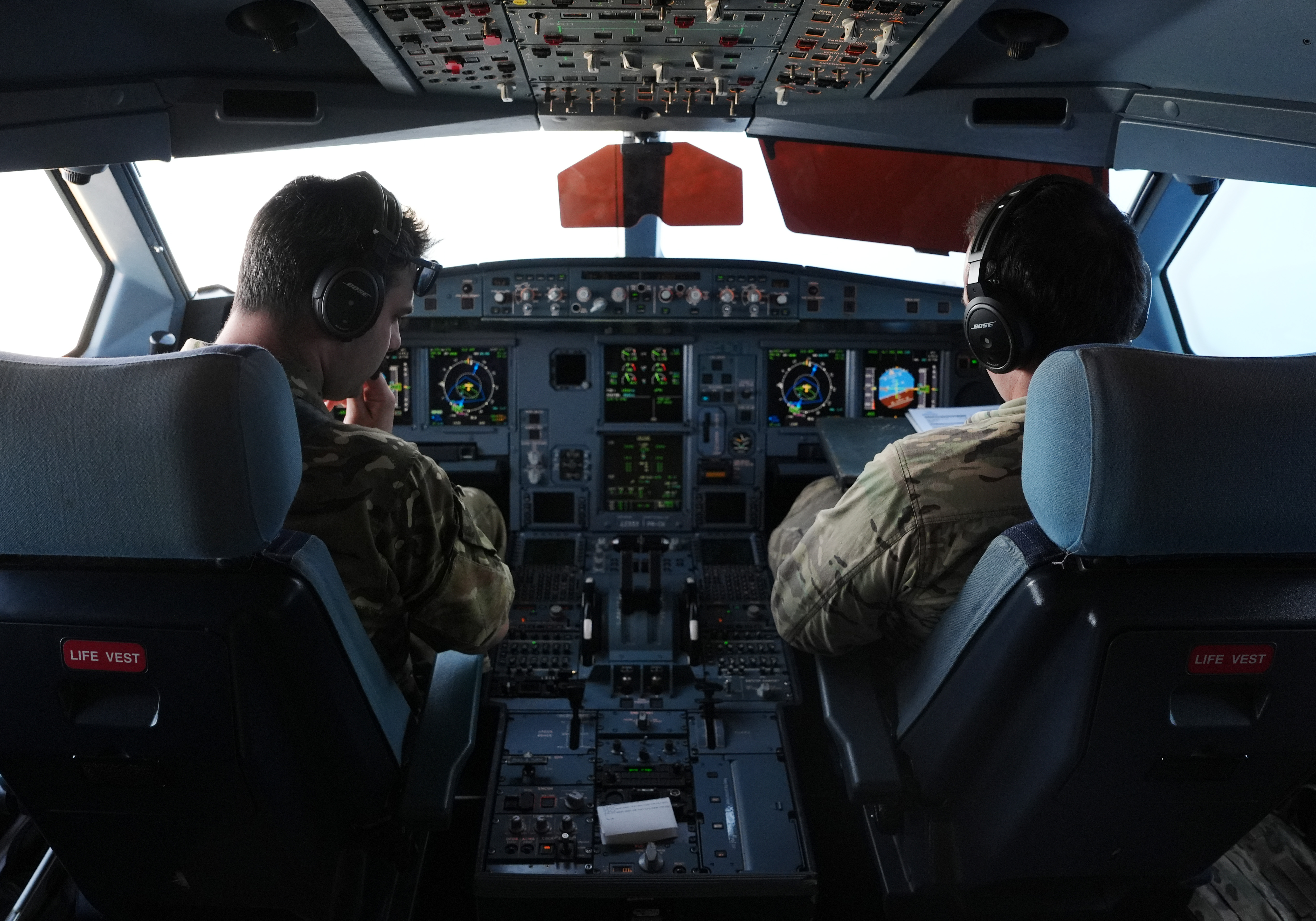
Britain's government has committed air-to-air refueling support for Saudi warplanes, responding to escalating Houthi missile and drone attacks and signaling a renewed Western role in the Gulf.
By Marcus Bell · First published 23 Sept 2026
In brief
- The UK is sending a Royal Air Force Voyager tanker to provide aerial refueling for Saudi fighter jets.
- This support is described by British officials as defensive and focused on countering Houthi attacks from Yemen.
- Prime Minister Andy Burnham made the decision, marking one of his administration's first major military moves.
- The move comes as energy prices rise and shipping through the Strait of Hormuz faces disruption.
- British officials say the mission will comply with international humanitarian law and will support regional stability.
Timeline · 5 moments
UK announces aerial refueling for Saudi jets
The Times of India ↗British officials confirm mission will be defensive
Arab News ↗Prime Minister Burnham frames the move as stabilizing
Japan Times ↗UK says support will comply with humanitarian law
Middle East Eye ↗France boosts energy security in region as UK acts
Al Jazeera ↗How it started
Tensions in the Gulf region have been rising as Houthi forces, backed by Iran, increased attacks on Saudi Arabia using missiles and drones. These attacks have threatened civilian infrastructure and vital shipping routes, especially around the Strait of Hormuz. The conflict has also led to spikes in global energy prices, drawing international attention and concern about the security of energy supplies.
The UK has historically maintained close military and economic ties with Saudi Arabia. As the Houthi campaign intensified, calls grew within the British government to support its Gulf ally in defending against these strikes, while balancing concerns about humanitarian law and civilian safety.
How it unfolded
On September 22, 2026, British officials confirmed that the UK would provide aerial refueling support using an RAF Voyager tanker. The support is limited to defensive operations and is meant to help Saudi warplanes respond more effectively to Houthi missile and drone launches, according to several reports at the time.
Prime Minister Andy Burnham's government framed the move as a measured response to a worsening security situation and emphasized that the mission would follow international humanitarian standards. The British Ministry of Defence stated that the deployment aimed to stabilize the region, protect civilians, and ensure humanitarian access.
The UK decision came as the United States refrained from deeper military involvement, leaving a gap among Western allies. Meanwhile, France announced it would increase efforts to secure energy infrastructure in the region, showing a broader European response to the crisis.
British ministers also pointed to the economic stakes, noting that energy prices had already surged due to the conflict and that keeping supply lines open was a key motivation. The move was described as one of the first major foreign policy actions under Burnham's leadership.
Where it stands
The RAF Voyager tanker is now set to assist Saudi jets in defensive missions against Houthi attacks. British officials insist that their involvement is strictly limited to refueling and does not extend to direct combat or offensive operations.
The situation in the Gulf remains tense, with ongoing Houthi attacks and continued risks to shipping and energy flows. The UK's commitment is seen as a test of its ability to balance strategic alliances with legal and humanitarian obligations.
What to watch
The effectiveness of the UK's support will likely be judged by its impact on the frequency and success of Houthi attacks. There is also close scrutiny from lawmakers and rights groups over how strictly the mission adheres to international humanitarian law. Any escalation in the conflict or shift in Western involvement could change the scope of Britain's mission.
More in World
All →
Harvey Weinstein Sentenced to 15 Years for 2006 Sex Assault in New York
Harvey Weinstein has been resentenced to 15 years in prison for the 2006 sexual assault of a former Project Runway production assistant, marking another chapter in his ongoing legal battles.
34 sources · today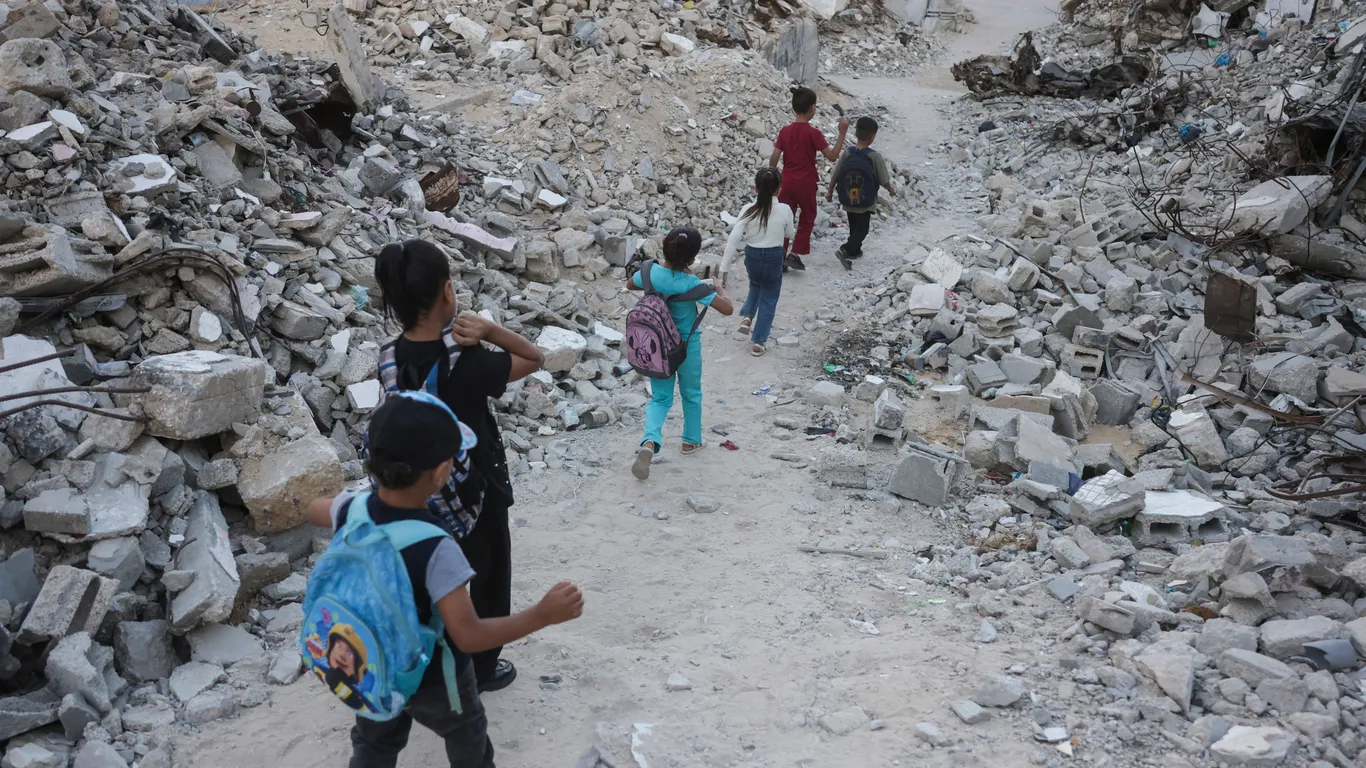
Trump's Board of Peace Unveils $2.45 Billion Gaza Recovery Plan
A US-backed board led by Trump's team has announced a six-month, $2.45 billion plan to kickstart Gaza's reconstruction and establish a new Palestinian administration amid ongoing conflict.
15 sources · today
Xi Jinping Visits Washington for High-Stakes Summit With Trump After Ten Years
Chinese President Xi Jinping has arrived in Washington for a rare state visit, meeting President Donald Trump to address tensions over Taiwan, trade, and global stability amid shifting US alliances.
39 sources · over 3 days