UK Moves to Ban Trade With Israeli Settlements, Prompting US and Israeli Backlash
The UK government will introduce a trade ban on goods from Israeli settlements in the West Bank, escalating diplomatic tensions with the US and Israel and signaling a significant shift in British foreign policy.
By Samuel Adeyemi · First published 8 Sept 2026
In brief
- The UK government is set to ban trade with Israeli settlements in the West Bank, calling them illegal under international law.
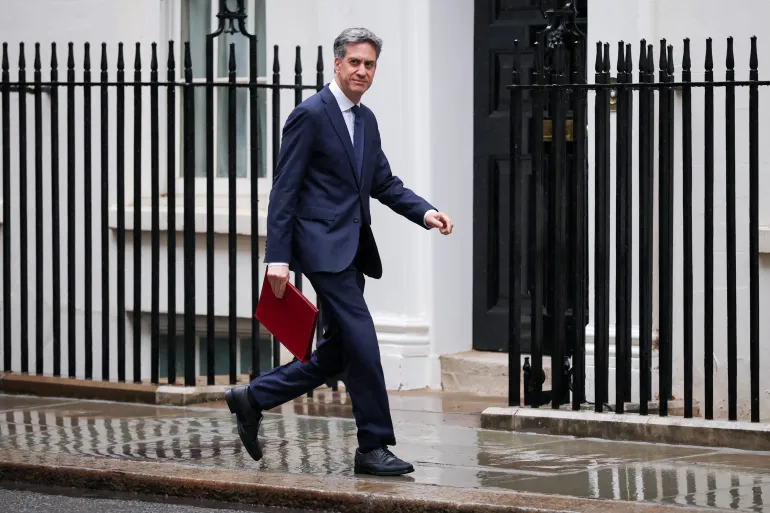
- Foreign Secretary Ed Miliband will announce the new policy as part of a broader reset in UK-Israel relations.
- The decision has triggered strong criticism from US officials and Israeli ministers, straining ties among the allies.
- Some Israeli ministers have retaliated by calling for sanctions on the UK and questioning its position on the Falkland Islands.
- The move follows increased violence in the West Bank and rising international concern over the future of a two-state solution.
Timeline · 8 moments
US ambassador accuses UK foreign secretary of 'Jew hate' after Gaza remarks
The Telegraph ↗Mike Huckabee criticized for echoing accusations against Miliband
Middle East Eye ↗UN expert calls for paradigm shift as UK signals policy reset on Israel
The Guardian ↗Reports emerge of UK plan to ban trade with Israeli settlements
Latest news, sport and opinion from the Guardian ↗Israeli ministers threaten sanctions and Falklands recognition retaliation
Middle East Eye ↗White House signals anger at UK, will issue statement against sanctions
World News News ↗UK to announce trade ban on goods from Israeli settlements
Al Jazeera ↗American ambassador warns UK-US trade could suffer after sanctions
Latest news, sport and opinion from the Guardian ↗How it started
The UK's relationship with Israel has been under scrutiny for months, especially following the recent war in Gaza. Growing criticism of Israeli settlement expansion in the West Bank, widely considered illegal by most of the international community, led to mounting pressure on the UK government to take a firmer stance.
Inside the UK, Foreign Secretary Ed Miliband has faced calls from both his Labour Party base and international observers to support Palestinian rights more assertively. At the same time, US-UK relations have been tested by differing approaches to Israel and the broader Middle East.
UN expert Francesca Albanese added to the momentum by publicly urging a 'true paradigm shift' in Western policy towards Israel, highlighting the need for concrete action rather than rhetoric.
How it unfolded
On September 6, 2026, a diplomatic row erupted when US Ambassador to Israel accused Ed Miliband of 'Jew hate' after comments Miliband made about resetting UK policy on Israel. The controversy quickly drew in US figures and media, with former Arkansas governor Mike Huckabee criticized for echoing the accusation against Miliband, who himself is Jewish.
UN expert Francesca Albanese publicly called for a new approach to Israel, adding international pressure for policy changes. By September 7, reports emerged that the UK would soon announce a trade ban on goods from Israeli settlements in the West Bank. The policy, to be unveiled by Miliband in Parliament, was described as a major reset in UK-Israel relations.
The move was met with immediate condemnation from Israeli ministers, including National Security Minister Itamar Ben-Gvir, who suggested Israel should recognize the Falkland Islands as Argentine territory in retaliation. Some Israeli officials even called for sanctions against the UK.
US officials, including President Trump and the American ambassador in London, expressed strong dissatisfaction, warning that UK-US trade relations could suffer as a result. The White House indicated it would issue a formal statement criticizing the UK decision.
Throughout these developments, the UK government maintained that the new sanctions were a response to ongoing violence and settlement expansion in the West Bank, which Western governments fear undermine prospects for a two-state solution.
Where it stands
The UK is set to formally announce the trade ban on goods from Israeli settlements in the West Bank, with Ed Miliband scheduled to outline the details in Parliament. The policy marks a significant shift in the UK's approach to Israel, aligning it more closely with international legal consensus on settlements.
Diplomatic tensions are running high, with both the US and Israel voicing strong objections and threatening retaliatory measures. The UK government appears determined to proceed, despite warnings of potential economic and political fallout.
What to watch
The immediate next step will be Ed Miliband's formal statement to Parliament, which will clarify the scope and enforcement of the trade ban. Reactions from the US and Israel, including any concrete retaliatory actions or changes in diplomatic ties, will be crucial in determining how this policy shift affects broader UK foreign relations in the coming weeks.
More in Politics
All →
Hungary Expels Ten Russian Diplomats Over 'Unacceptable' Activities, Moscow Threatens Retaliation
Hungary has ordered ten Russian diplomats to leave, citing unacceptable actions, with Russia vowing a strong response as diplomatic tensions escalate between the two countries.
11 sources · today
UAE President Warned Netanyahu of Hamas Attack Days Before October 7
A report claims the UAE president alerted Israel's prime minister to Hamas attack plans in late September 2023, but the warning was not acted on.
10 sources · today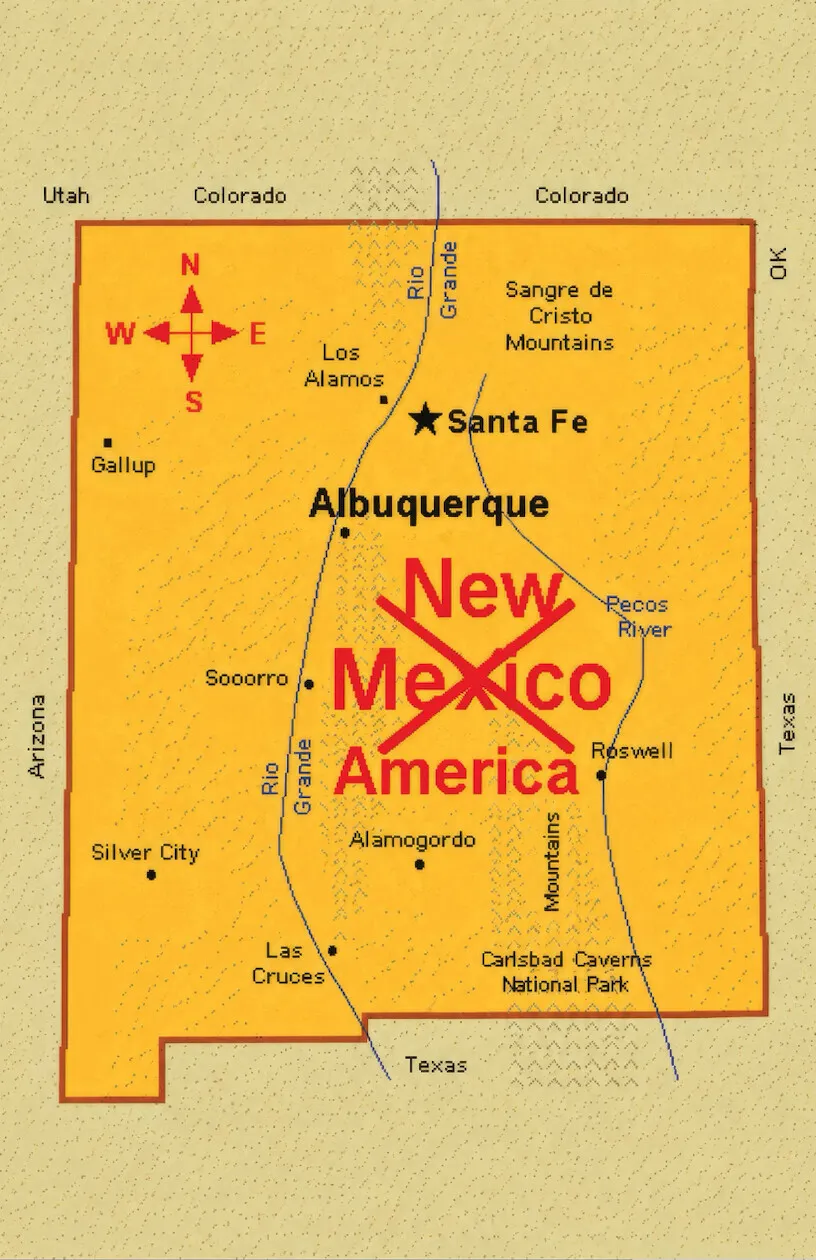
Trump Suggests Renaming New Mexico to 'New America,' Prompting Swift Political Backlash
President Trump's recent proposal to rename New Mexico as 'New America' has sparked immediate criticism from state officials and widespread debate on the significance of place names in US politics.
21 sources · over 2 days