US Air Force Officer Rescued After 50 Hours Behind Enemy Lines in Iran
A US Air Force colonel was shot down over Iran, survived severe injuries and evaded capture for two days before being rescued in a complex operation.
By Mei-Ling Chao · First published 17 Sept 2026
In brief
- A US Air Force officer was shot down in Iran while flying an F-15E Strike Eagle in April 2026.
- The officer survived a parachute malfunction and serious injuries, including a broken back, arm, and shoulder.
- He evaded Iranian forces for nearly 50 hours in mountainous terrain before being found by a US rescue team.
- The rescue involved more than 90 elite US soldiers and support from the CIA in a risky operation.
- Iran has dismissed the US account as fabricated, calling the rescue story a 'Hollywood-style' narrative.
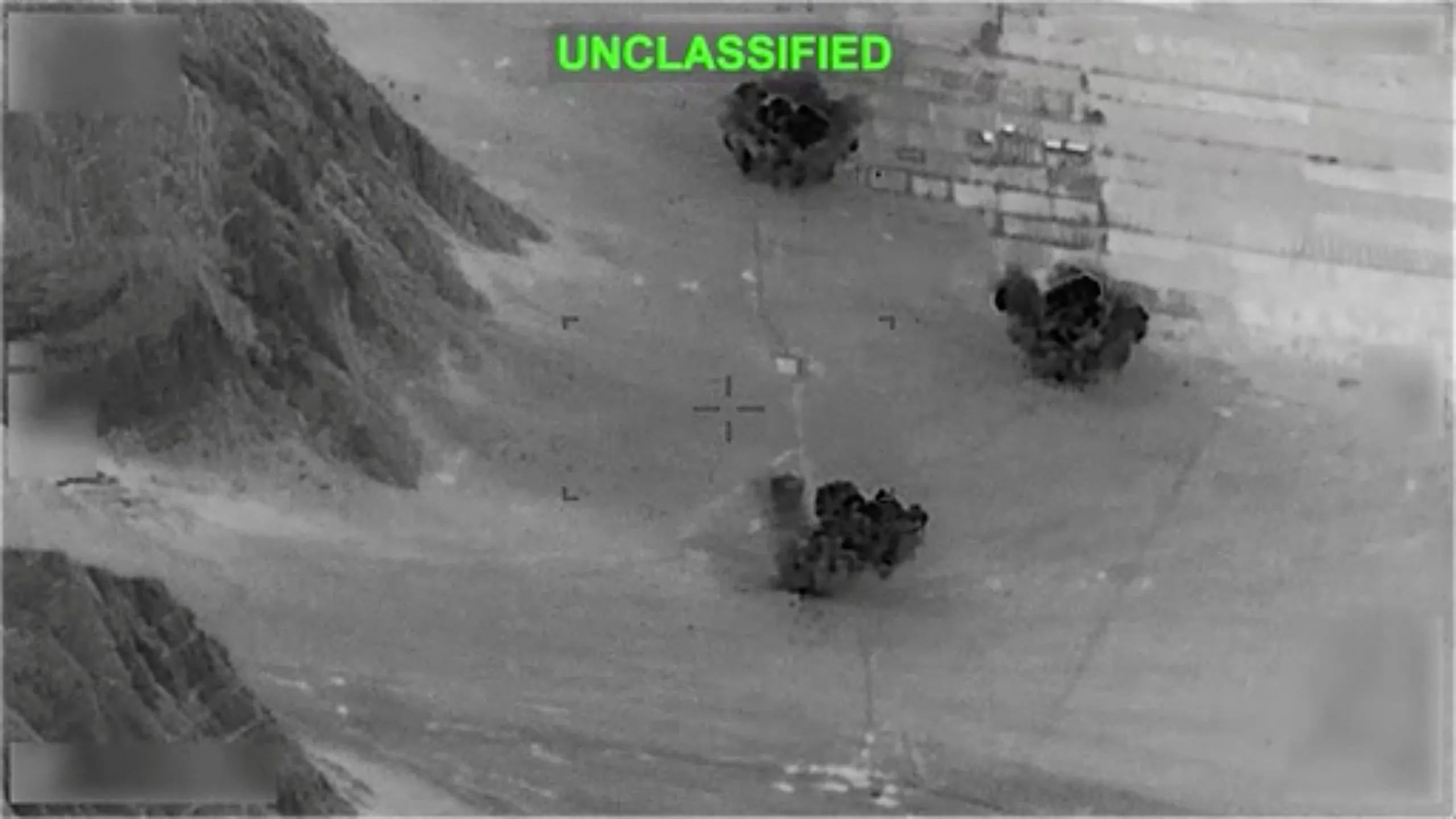
Timeline · 8 moments
US Air Force F-15E shot down over Iran during conflict
CBS Top Stories ↗Officer survives parachute failure and severe injuries after ejection
New York Post ↗Colonel evades Iranian forces for nearly 50 hours in mountains
India Today ↗US launches rescue with 90 elite troops and CIA support
Indian Express ↗Officer recounts ordeal and rescue in interviews with US media
NBC News ↗US military releases video footage of the rescue operation
New York Post ↗Iranian officials dismiss US rescue story as 'Hollywood-style' fabrication
Tehran Times ↗Iran calls US account of rescue 'fictional and unacceptable'
The Hill ↗How it started
In April 2026, during heightened military tensions between the US, Israel, and Iran, a US Air Force F-15E Strike Eagle was shot down over Iranian territory. The officer, identified by his callsign "Dude 44 Bravo," ejected from the aircraft but suffered a parachute malfunction that led to severe injuries, including a broken back, arm, and shoulder, according to CBS and NBC News.
Despite his injuries, the colonel managed to escape immediate capture. He moved away from the crash site and climbed to higher ground, believing it would offer better concealment from Iranian search efforts, as detailed by News18 and The Independent.
How it unfolded
After being shot down, the officer spent nearly two days, about 50 hours, in hiding in the mountains of Iran. He was badly wounded, but managed to ration water and use survival training to avoid detection by Iranian forces, as reported by India Today. The search for him was urgent, with both US and Iranian teams scouring the region.
A large-scale rescue operation was launched by the US, involving more than 90 elite soldiers and support from the CIA. The team used deception tactics to locate and extract the injured officer, according to Indian Express and Times of India. The rescue took place on Easter Sunday, adding to the emotional weight of the mission for those involved.
During the operation, the officer witnessed the dramatic rescue of his crewman from a distance, describing the moment as one of the proudest of his life, CBS reported. Videos later released by the US military showed the dangerous conditions faced by the rescuers as they approached and extracted the officer from behind enemy lines, as seen in coverage by New York Post.
Meanwhile, Iranian officials criticized the US narrative. Iran's foreign minister and the IRGC dismissed the rescue account as exaggerated and labeled it a "Hollywood-style" fabrication, according to Tehran Times and IRNA.
Where it stands
The rescued officer has since shared his story publicly, recounting the ordeal in interviews and describing the physical and mental challenges he faced. The rescue is being hailed in the US as a testament to military training and teamwork, but Iranian officials continue to dispute the details, calling the story fictional and accusing American media of exaggeration.
The incident has further strained US-Iran relations, with both sides sticking to their versions of events. There is no sign of agreement on the facts between the two governments.
What to watch
With both sides sticking to conflicting accounts, further details about the incident may emerge from military investigations or congressional hearings in the US. The ongoing dispute could influence public opinion and policy discussions about US military involvement in the region and future engagements with Iran.
More in World
All →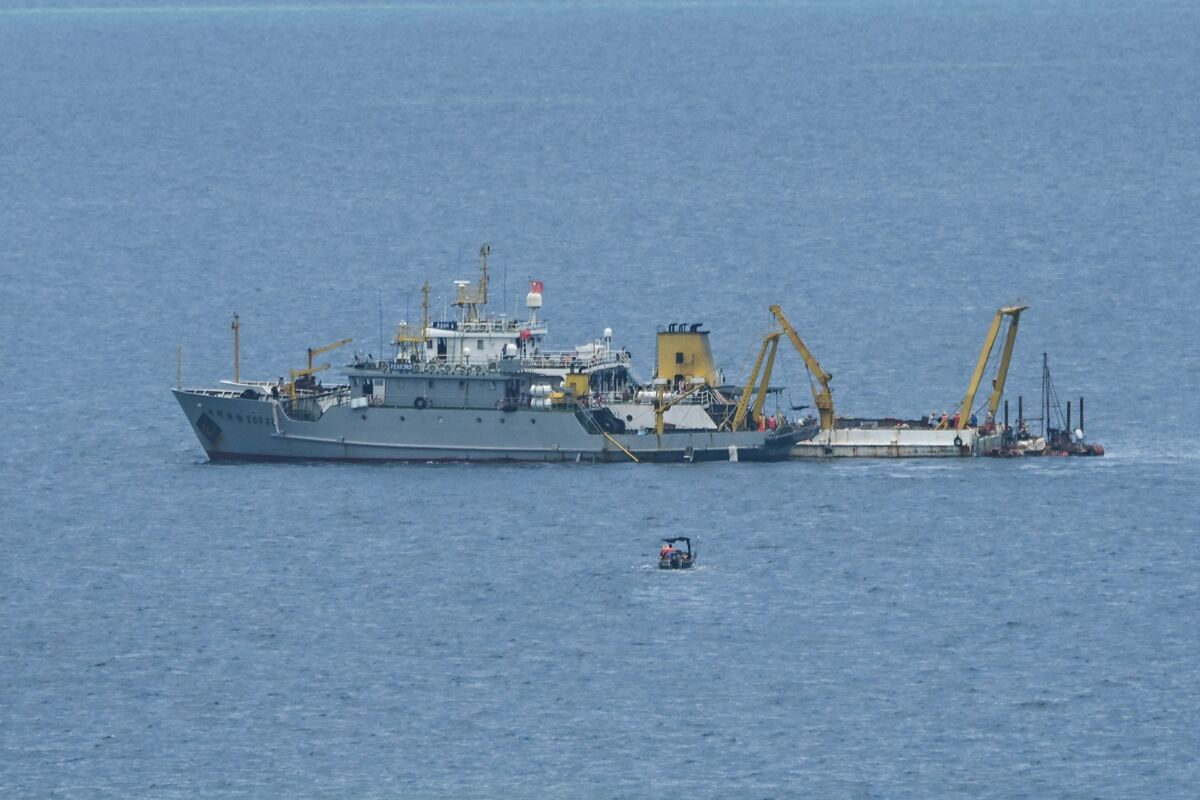
Chinese Coast Guard Vessel Rams Philippine Boat in Disputed South China Sea
A collision between a Chinese Coast Guard ship and a Philippine fisheries vessel has heightened tensions in the South China Sea, with Manila accusing Beijing of deliberate aggression.
8 sources · today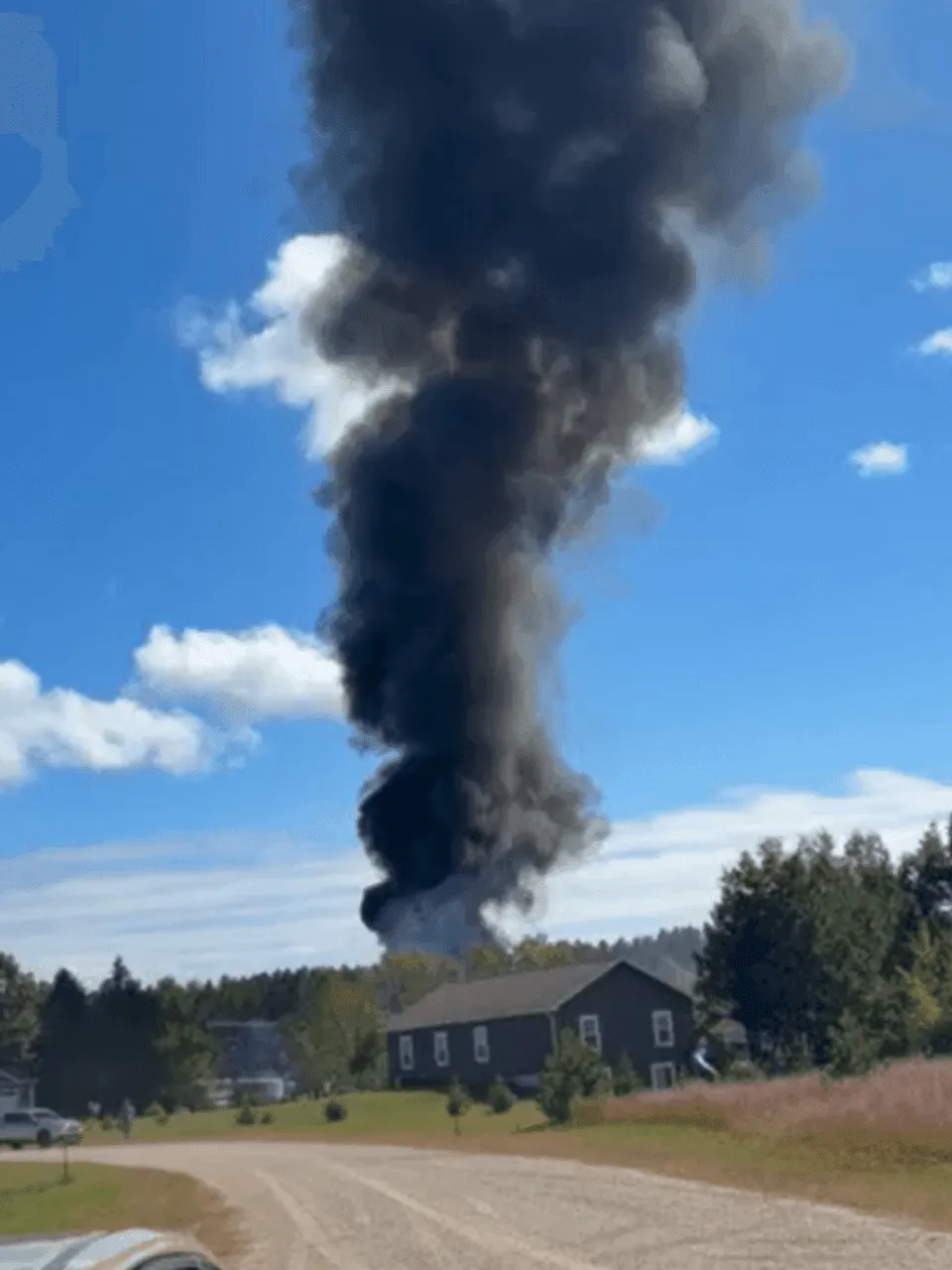
Texas Air National Guard F-16 Crashes in Michigan During Training Exercise
An F-16 fighter jet from Texas crashed and exploded in rural Michigan during a National Guard training exercise, prompting emergency response and a temporary shelter-in-place order for the local community.
17 sources · today
Shooting at Banga National High School in South Cotabato Leaves Multiple Casualties
A deadly shooting at a high school in the southern Philippines has left at least one person dead and several others injured, prompting urgent investigation and concern over school safety.
8 sources · today