US Bans Canadian Alcohol and Dairy Imports Amid Escalating Trade Dispute
The United States has enacted a sweeping ban on Canadian alcohol and dairy imports, intensifying the ongoing trade conflict and impacting nearly $1 billion in cross-border commerce.
By Hushread Stories, written with AI from 8 outlets · First published 29 Sept 2026
In brief
- The United States implemented a ban on Canadian alcohol and dairy products starting September 29, 2026.
- The ban affects nearly $1 billion worth of Canadian imports, including popular alcoholic beverages and dairy items.
- Bulk whisky and certain liqueurs are exempt from the restrictions, allowing limited trade to continue.
- The move is part of a broader trade war that has seen tariffs and retaliatory measures between the two countries.
- Officials expect further negotiations, but there is currently no resolution to the dispute in sight.
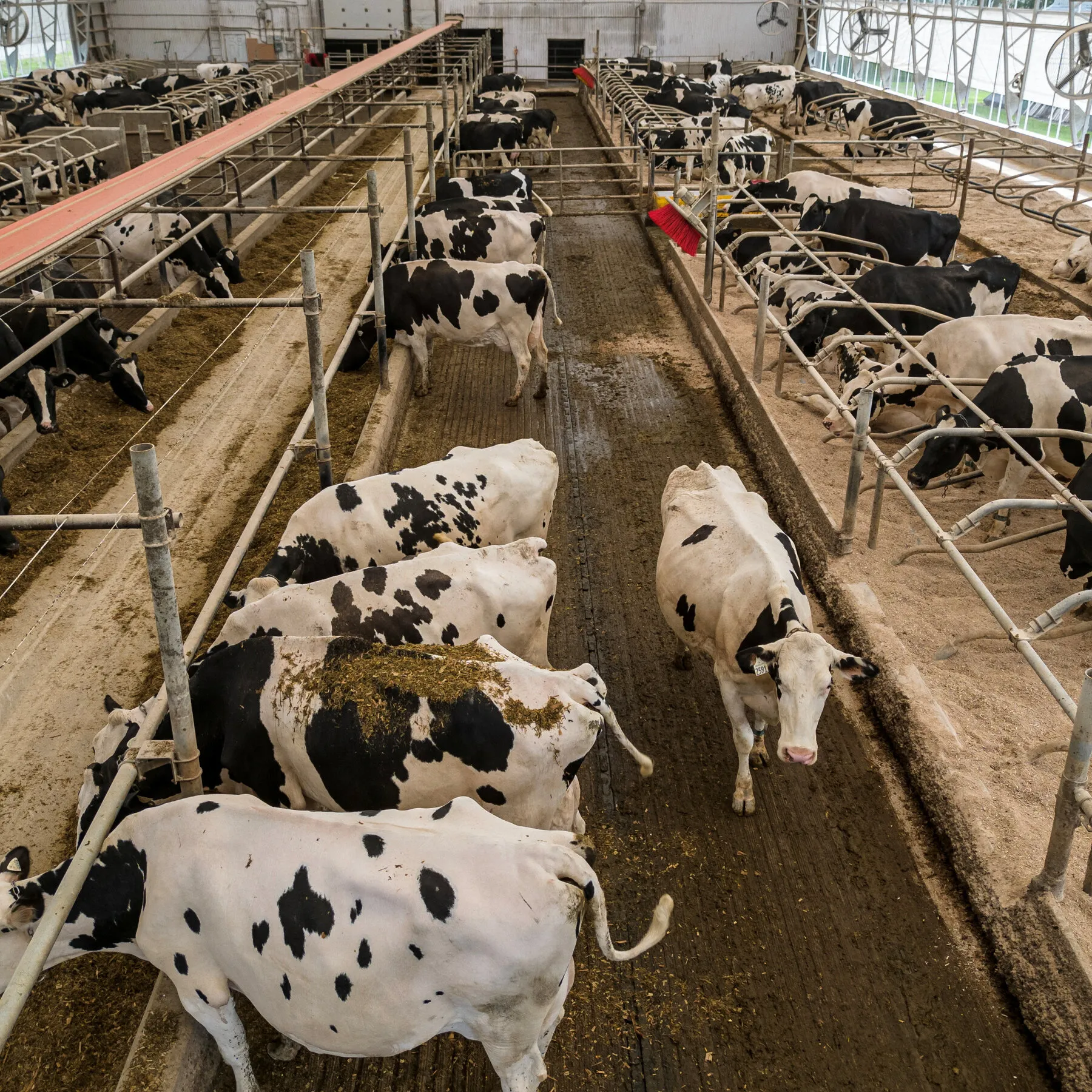
Timeline · 6 moments
US imposes 50 percent tariffs on Canadian imports
NDTV News - World-news News ↗Trump confirms trade ban on Canadian alcohol and dairy
Global News ↗US enacts ban on Canadian alcohol and dairy products
The New York Times ↗Ban takes effect, nearly $1 billion in imports halted
CBS Top Stories ↗Bulk whisky and liqueurs exempted from new US ban
Mint ↗Ban also targets American companies producing in Canada
Bloomberg Economics ↗How it started
Tensions between the United States and Canada have been simmering over trade policies for several months. Earlier in the summer, the US administration invoked a rarely used law from the Great Depression era to impose steep tariffs on Canadian imports, according to NDTV News. The tariffs targeted a wide range of goods and signaled a more aggressive stance by President Trump toward Canada.
The relationship between the two countries, historically close trading partners, began to unravel as each side imposed new restrictions and countermeasures. The latest escalation came as negotiations over broader trade agreements stalled, with both governments blaming the other for the lack of progress.
How it unfolded
On September 28, 2026, President Trump confirmed the US would move forward with a ban on Canadian alcohol, dairy products, and some other goods, saying these measures were necessary to pressure Canada in ongoing talks, as reported by Global News.
The ban officially took effect on September 29, 2026, impacting nearly $1 billion worth of Canadian imports, including alcoholic beverages, dairy products, and motorcycles, according to CBS Top Stories. The move was described as unprecedented, especially given the close economic ties between the two countries, cnn.com noted.
Importantly, the ban contains exceptions. Bulk whisky and certain liqueurs were left off the restricted list, allowing some Canadian producers to continue exporting these goods to the US, as explained by Mint. This carveout was reportedly made for technical reasons related to US supply chains.
The ban also applies to American companies producing goods in Canada, deepening the impact on businesses operating across the border, according to Bloomberg Economics. The restrictions have already led to visible changes on store shelves, with several Canadian products disappearing from US retailers, as The Independent reported.
Where it stands
The US ban on Canadian alcohol and dairy products is now in full effect. Nearly $1 billion in imports have been halted, and both governments remain at an impasse. Some exceptions, such as bulk whisky, allow limited trade to continue, but most affected products are barred from entering the US.
There are no signs of an immediate breakthrough. The dispute has strained US-Canada relations, and officials on both sides have indicated that negotiations are likely to continue, though no concrete talks have been scheduled.
What to watch
Observers are watching closely for any movement from either government that might signal a willingness to compromise or restart negotiations. The economic impact on producers, retailers, and consumers in both countries will likely increase pressure for a resolution. For now, the trade standoff continues, with further developments possible if talks resume or additional restrictions are announced.
More in World
All →
Former Snooker Champion Graeme Dott Jailed for Seven Years for Child Sexual Abuse
Graeme Dott, once a world snooker champion, has begun a seven-year prison sentence after being convicted of sexually abusing two young children in Scotland.
8 sources · today
Putin Orders Russian State Control of German Retailer Metro's Assets
Russia has taken over the Russian operations of Germany's Metro AG, escalating economic tensions with Germany amid ongoing disputes over foreign businesses in the country.
8 sources · today
White House Bars CNN From Air Force One on Trump Tennessee Trip
CNN has been excluded from the media pool traveling with President Trump to Tennessee, sparking new debate over White House press access and transparency.
33 sources · over 4 days