US Bars Palestinian Delegation and President Abbas from 2026 UN General Assembly
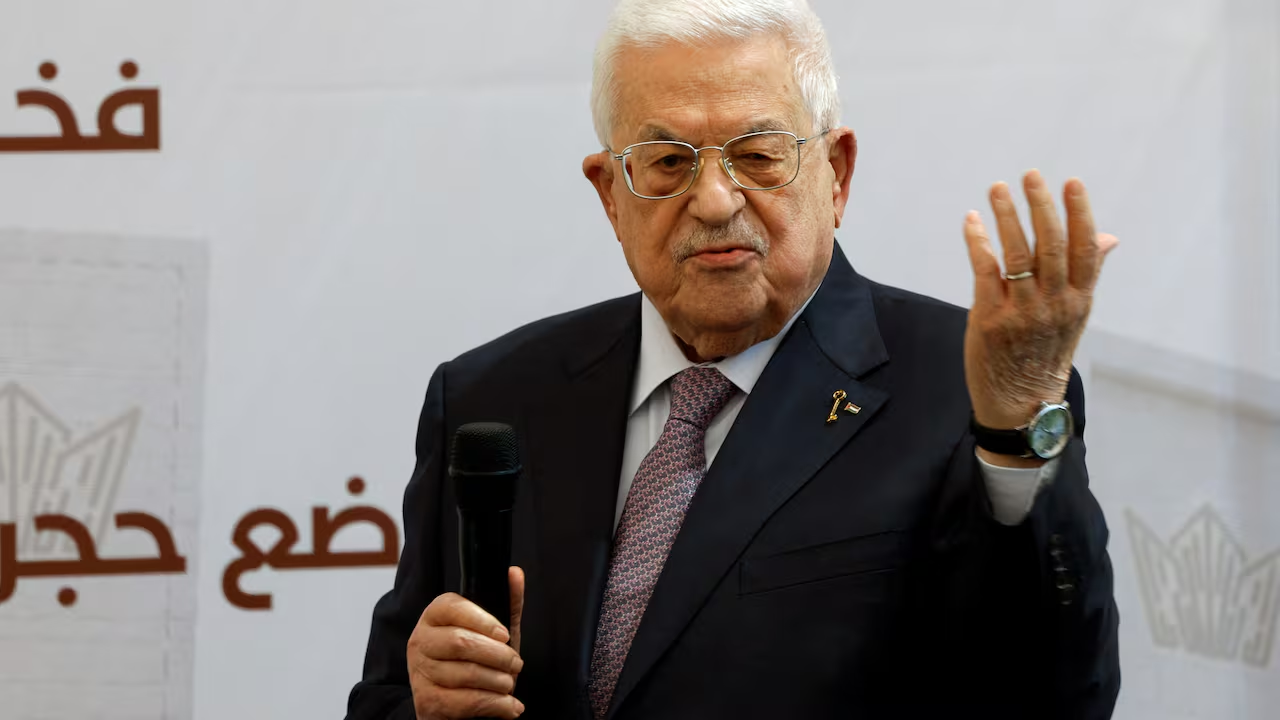
For the second year in a row, the United States has denied visas to Palestinian officials, including President Mahmoud Abbas, blocking their participation at the UN General Assembly in New York.
By Claire Dubois · First published 17 Sept 2026
In brief
- The US government has refused visas to the Palestinian delegation for the 2026 United Nations General Assembly in New York.
- President Mahmoud Abbas and other senior Palestinian Authority officials are affected by the visa ban, which is now in its second year.
- The US State Department extended existing visa restrictions, citing ongoing sanctions against Palestinian officials.
- Critics argue the ongoing visa bans hinder diplomatic engagement and undermine prospects for Middle East peace talks.
- Palestinian representatives remain unable to attend the UN event, with no indication of a change in US policy soon.
Timeline · 4 moments
US refuses visas to Palestinian delegation for UN General Assembly
CBC Top Stories ↗US extends visa curbs to President Mahmoud Abbas and officials
Times of India Top Stories ↗State Department continues visa sanctions against Palestinian Authority
Al Jazeera ↗US denies President Abbas visa for second year in a row
© AFP ↗How it started
The US and Palestinian officials have had a strained relationship in recent years, particularly regarding diplomatic access. In 2025, the United States began restricting visas for Palestinian delegations to the United Nations, preventing their participation in key international meetings. These restrictions were part of a broader set of sanctions and diplomatic measures impacting Palestinian Authority leaders. The visa denial for the 2025 UN General Assembly set a precedent, raising concerns about the implications for international dialogue.
How it unfolded
On September 17, 2026, multiple news outlets reported that the United States again denied visas to the Palestinian delegation ahead of the annual UN General Assembly in New York. This included a direct refusal for President Mahmoud Abbas, who was expected to lead the delegation. Sources familiar with the situation confirmed that the US State Department had extended visa bans covering Abbas and other high-ranking Palestinian officials. The decision marked the second consecutive year such restrictions were enforced, continuing from the previous year's policy.
The visa denials were announced just days before the UN General Assembly was set to begin. According to coverage, the US cited ongoing sanctions and broader diplomatic considerations as reasons for maintaining the ban. Critics, including some UN observers and peace advocates, argued that excluding Palestinian voices from the General Assembly could further stall efforts to resolve the Israeli-Palestinian conflict.
As the story developed, it became clear that the restrictions were not limited to President Abbas but applied to a broader group of Palestinian Authority officials. This move drew international attention and debate about the impact on diplomatic engagement at the United Nations.
Where it stands
As of now, the Palestinian delegation, including President Abbas, remains unable to attend the 2026 UN General Assembly in New York. The US has not indicated any plans to review or lift the visa restrictions. The absence of Palestinian officials at such a high-profile international gathering highlights ongoing frictions between the US and Palestinian leadership. The situation has also raised questions about the broader implications for peace efforts and diplomatic representation at the United Nations.
What to watch
Observers are watching to see whether the US will reconsider its visa policy ahead of future international meetings. The ongoing exclusion of Palestinian officials could affect diplomatic initiatives and the prospects for renewed peace talks in the Middle East.
More in Politics
All →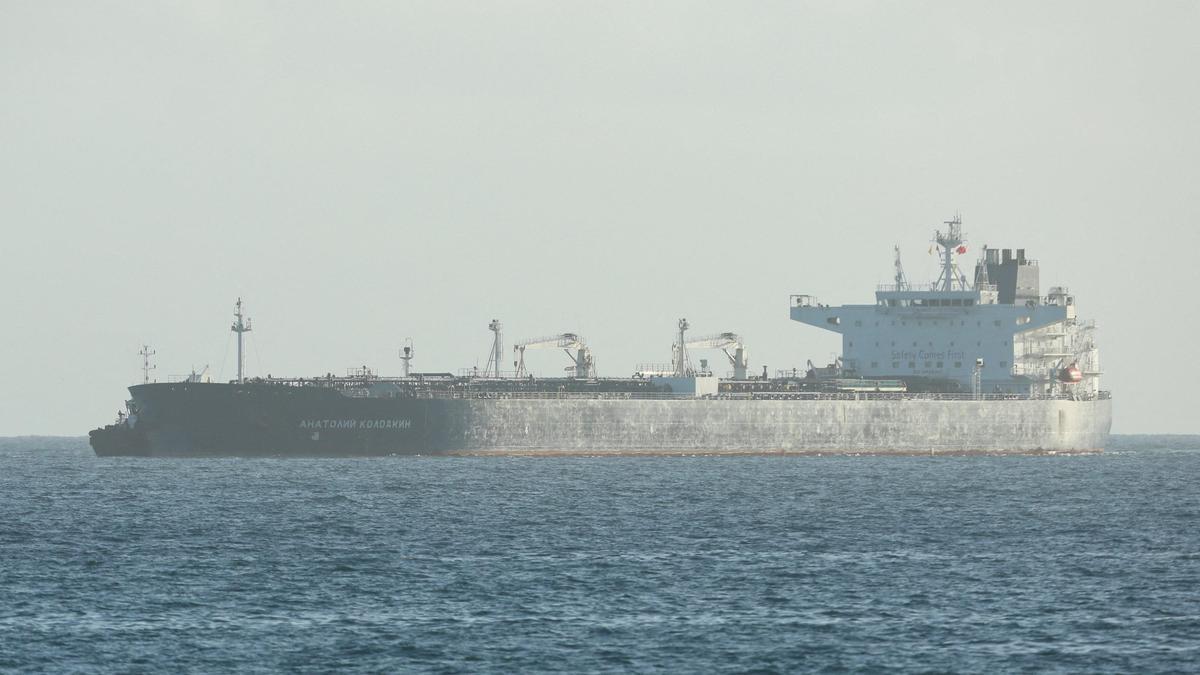
US Congress Passes Russia Sanctions Bill Targeting India's Oil Imports
The US Congress has approved a sweeping sanctions bill empowering President Trump to impose 100 percent tariffs on India for Russian oil imports.
29 sources · over 3 days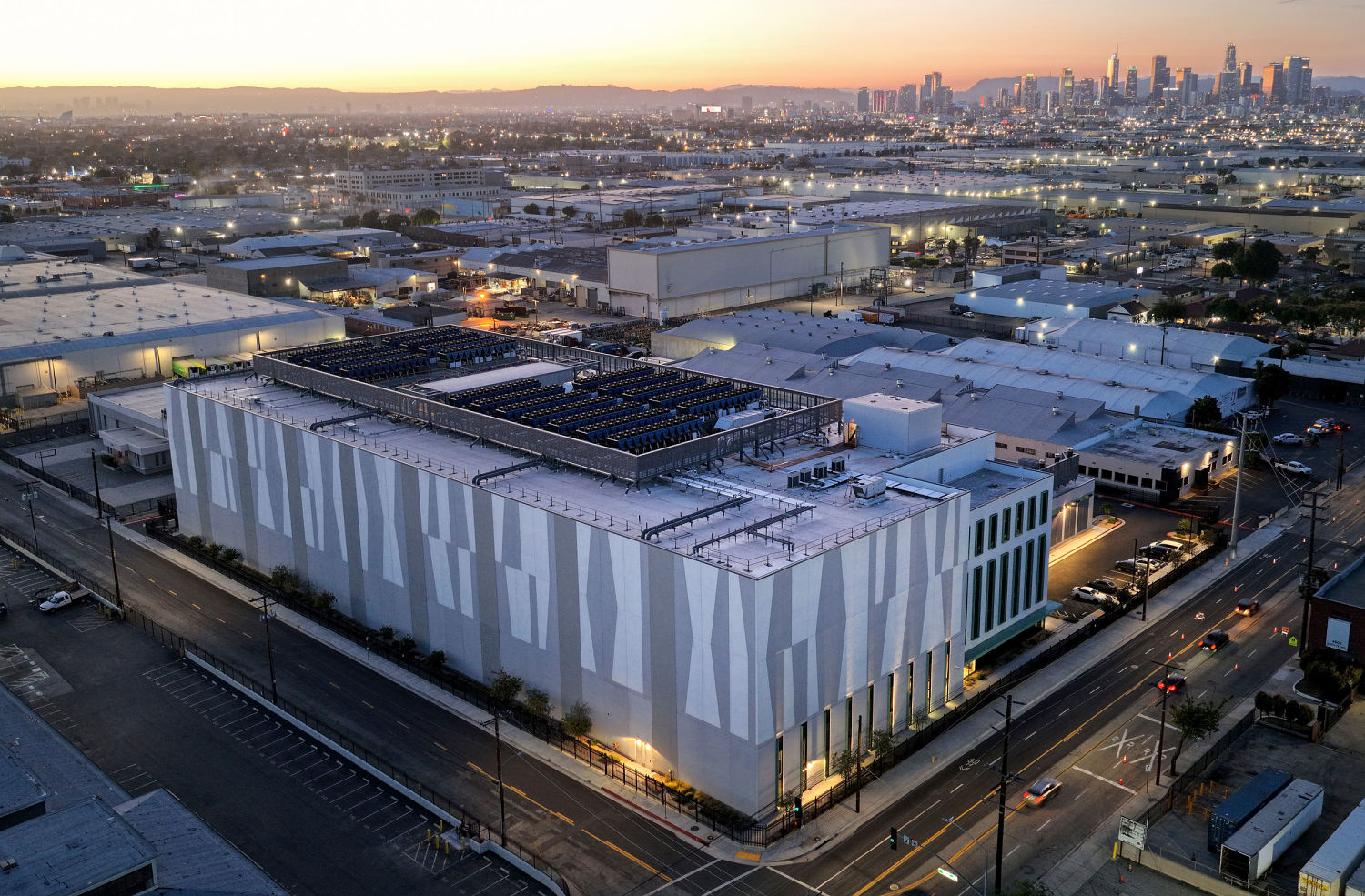
US House Passes Bipartisan Bill to Shield Consumers from Data Center Energy Costs
The House approved the Ratepayer Protection Act, responding to rising US energy bills linked to the growth of AI-powered data centers.
8 sources · over 2 days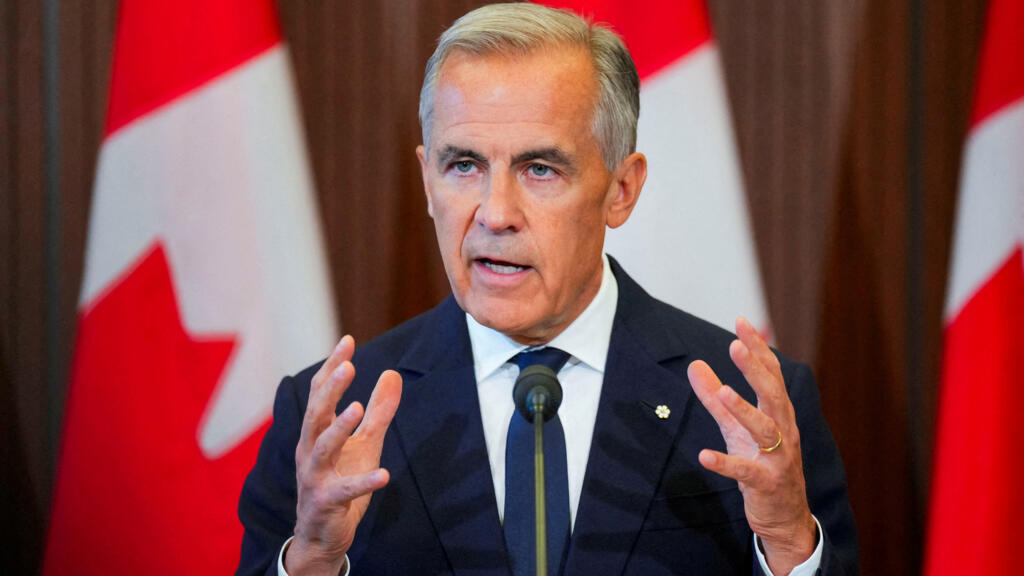
Canada Pursues Closer Ties with EU as US Trade Dispute Deepens
Canada's prime minister is seeking an unprecedented partnership with the European Union, aiming to reduce economic reliance on the United States amid escalating tariffs and political tensions.
51 sources · over 4 days