US-Iran UN Talks and Gulf Tensions Drive Volatile Global Oil Prices
Oil prices have swung sharply as US-Iran negotiations at the UN raise hopes for diplomacy, while ongoing conflict and supply disruptions keep markets on edge.
By Priya Raghunathan · First published 24 Sept 2026
In brief
- Oil prices dropped below $100 following reports of productive talks between US and Iranian officials at the United Nations.
- Iran signaled willingness to negotiate reopening the Strait of Hormuz, a key oil shipping route disrupted by conflict.
- Shipping through the Strait of Hormuz initially slowed to well below normal levels, raising concerns about global supply.
- Renewed tensions and missile attacks in the region caused oil prices to rebound after initial declines.
- Gulf nations have managed to keep oil flowing, but shipping costs and risks have increased sharply amid ongoing instability.

Timeline · 7 moments
Oil prices fall below $100 on US-Iran talks hopes
Economic Times Business & Economy ↗Iran proposes conditions for reopening Strait of Hormuz
CNBC International ↗Strait of Hormuz traffic drops well below normal levels
Middle East Eye ↗Record surge in oil tanker costs as shipping disrupted
Financial Times ↗Asia set to import most crude since conflict began
CNBC International ↗Gulf nations keep oil flowing but costs rise
South China Morning Post ↗Strait of Hormuz sees 60 ships transit in single day
Arab News ↗How it started
Oil prices have been highly sensitive to developments between the US and Iran since open conflict disrupted key shipping routes in the Gulf. The Strait of Hormuz, which handles a significant share of the world's oil exports, became a major chokepoint after Iran restricted passage.
Initial fears were that any prolonged closure would send prices soaring and threaten the global economy. As a result, every hint of diplomacy or escalation has had an immediate effect on oil markets.
How it unfolded
On September 23, oil prices fell below $100 per barrel after reports that US and Iranian officials held what former President Trump described as "very productive" talks at the United Nations. Optimism about possible progress toward a diplomatic solution led markets to anticipate improved oil supplies.
That same day, Iran floated conditions for reopening the Strait of Hormuz, suggesting a possible path to restoring normal shipping. However, reports showed that traffic through the Strait remained far below average, with only three commodity vessels transiting compared to the usual fifteen.
Meanwhile, global oil tanker rates surged to record highs as shippers faced increased risks and detours. The costs of moving oil from the Middle East to Asia more than doubled, reflecting ongoing uncertainty. Later, renewed tensions and missile attacks in the region reversed the earlier price drop, causing oil to rebound as traders reassessed the risk of further supply disruptions.
By September 24, Asian crude imports were projected to reach their highest levels since the conflict began, signaling that some supply routes had adapted despite continuing instability. Gulf nations found workarounds to keep oil flowing, but these measures have been expensive and may not be sustainable in the long run.
Where it stands
Oil prices remain volatile, with markets reacting quickly to both diplomatic signals and fresh reports of conflict. Iran has kept the door open to talks, but the underlying gap between the US and Iran remains wide.
Shipping through the Strait of Hormuz has recovered somewhat, with some 60 vessels reportedly passing through in a single day, yet the costs and risks for shippers are still elevated. The situation remains fragile, as any new escalation or breakthrough in negotiations could quickly shift the outlook for oil prices and global supply.
What to watch
Key questions remain about whether the US and Iran can reach a lasting diplomatic agreement that would stabilize the region and secure oil flows. Markets are also watching for signs of further attacks or new openings in talks that could immediately impact prices and shipping routes.
More in World
All →
Netanyahu Confronts Walkout, Criticism During UN Assembly Speech
Netanyahu faced a delegate walkout and protests at the UN, responding sharply to critics including Mayor Mamdani.
39 sources · over 4 days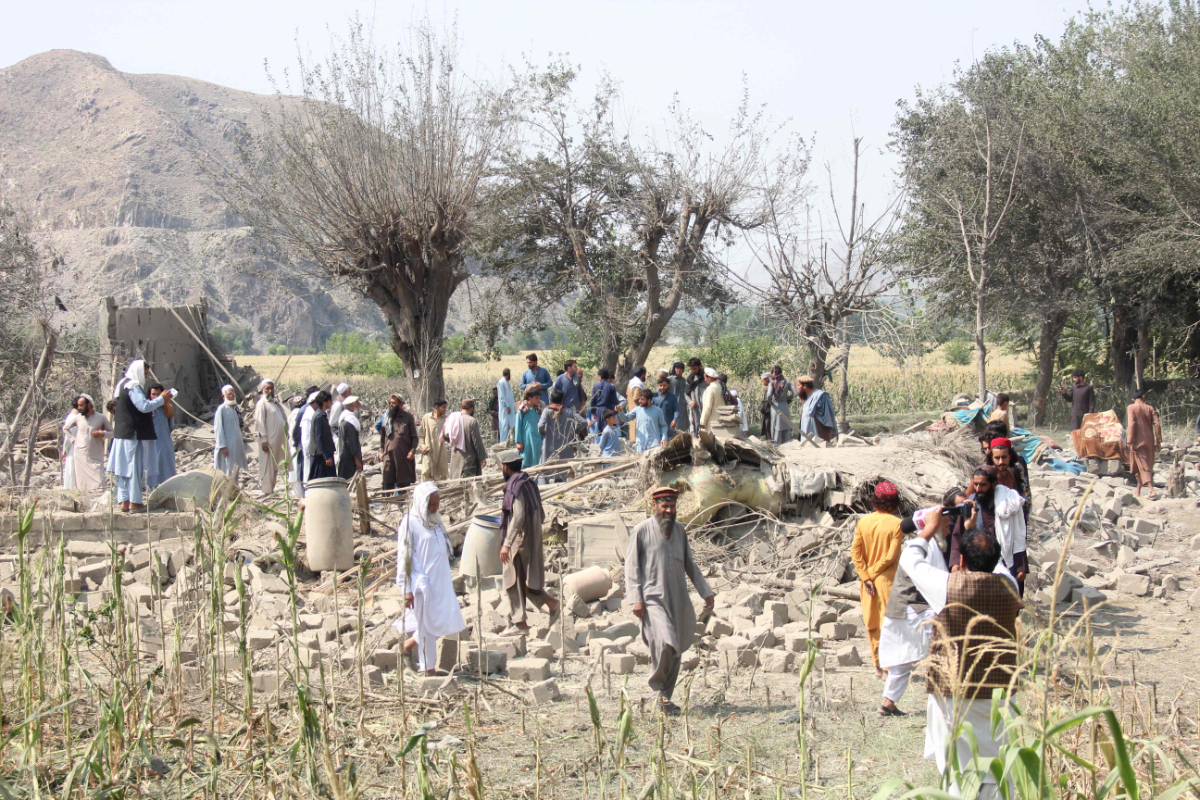
Pakistan Launches Airstrikes on Afghanistan After Drone Attacks Near Border
Pakistan carried out airstrikes on ten Afghan sites after shooting down drones allegedly launched by the Afghan Taliban, escalating tensions and resulting in at least four civilian deaths.
16 sources · over 2 days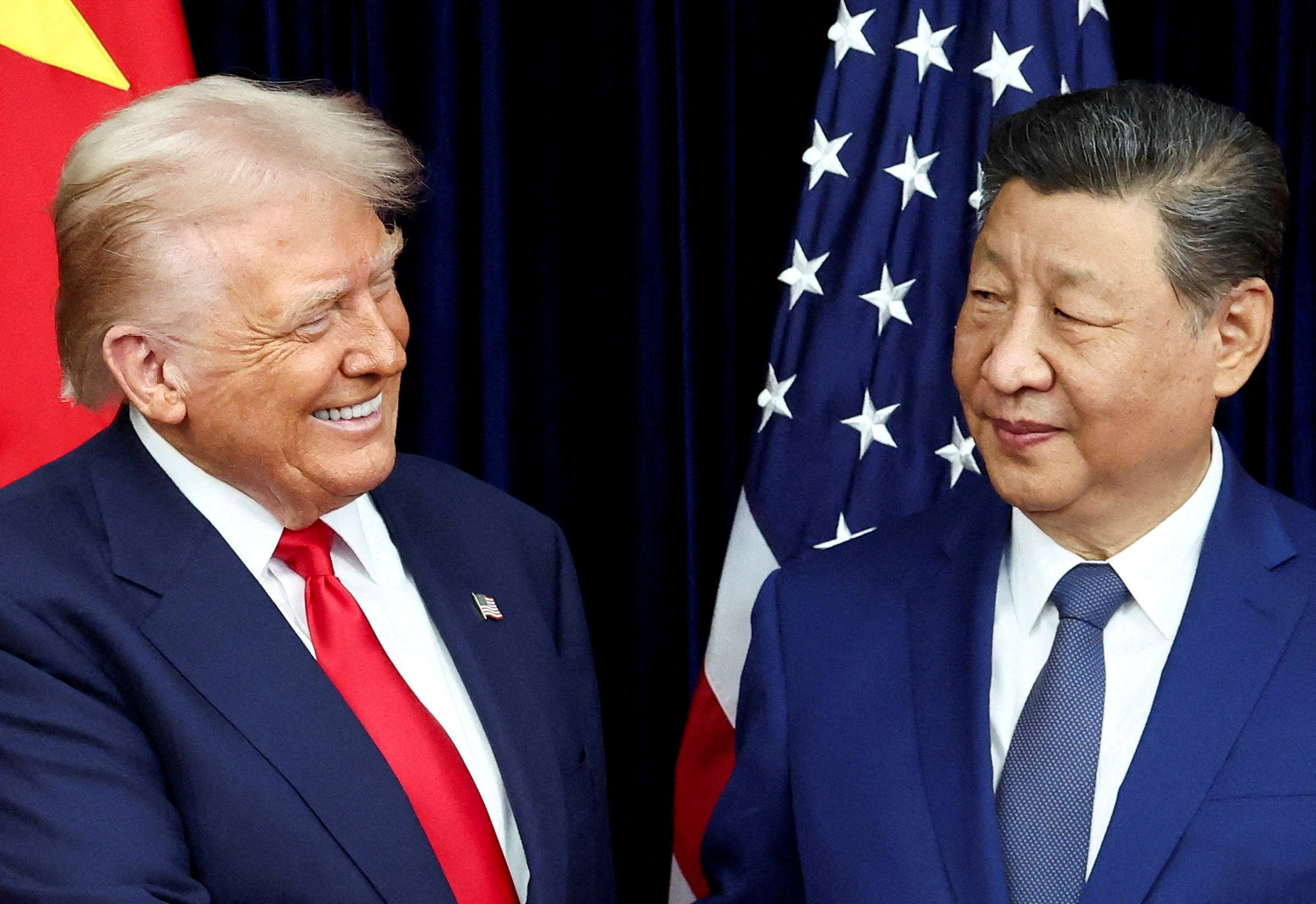
Xi Jinping Visits Washington for High-Stakes Summit With Trump After Ten Years
Chinese President Xi Jinping has arrived in Washington for a rare state visit, meeting President Donald Trump to address tensions over Taiwan, trade, and global stability amid shifting US alliances.
67 sources · over 4 days