US Military Faces Ammunition Shortfall and Heavy Costs After Iran Conflict
A Pentagon watchdog report reveals a major munitions shortage and $33.4 billion in costs from the US war with Iran, raising urgent questions about military readiness and spending.
By Hannah Lindqvist · First published 15 Sept 2026
In brief
- The US military has reported a significant shortage of munitions after operations related to the war in Iran.
- A Pentagon inspector general report highlighted supply chain bottlenecks and damage to hundreds of buildings and aircraft.
- The total US government expenditure on the Iran war has reached $33.4 billion as of late June.
- The USS George Washington is enforcing a naval blockade against Iran while supporting commercial shipping in the region.
- Military officials are calling for urgent assessment and solutions to replenish depleted strategic inventories and address readiness concerns.
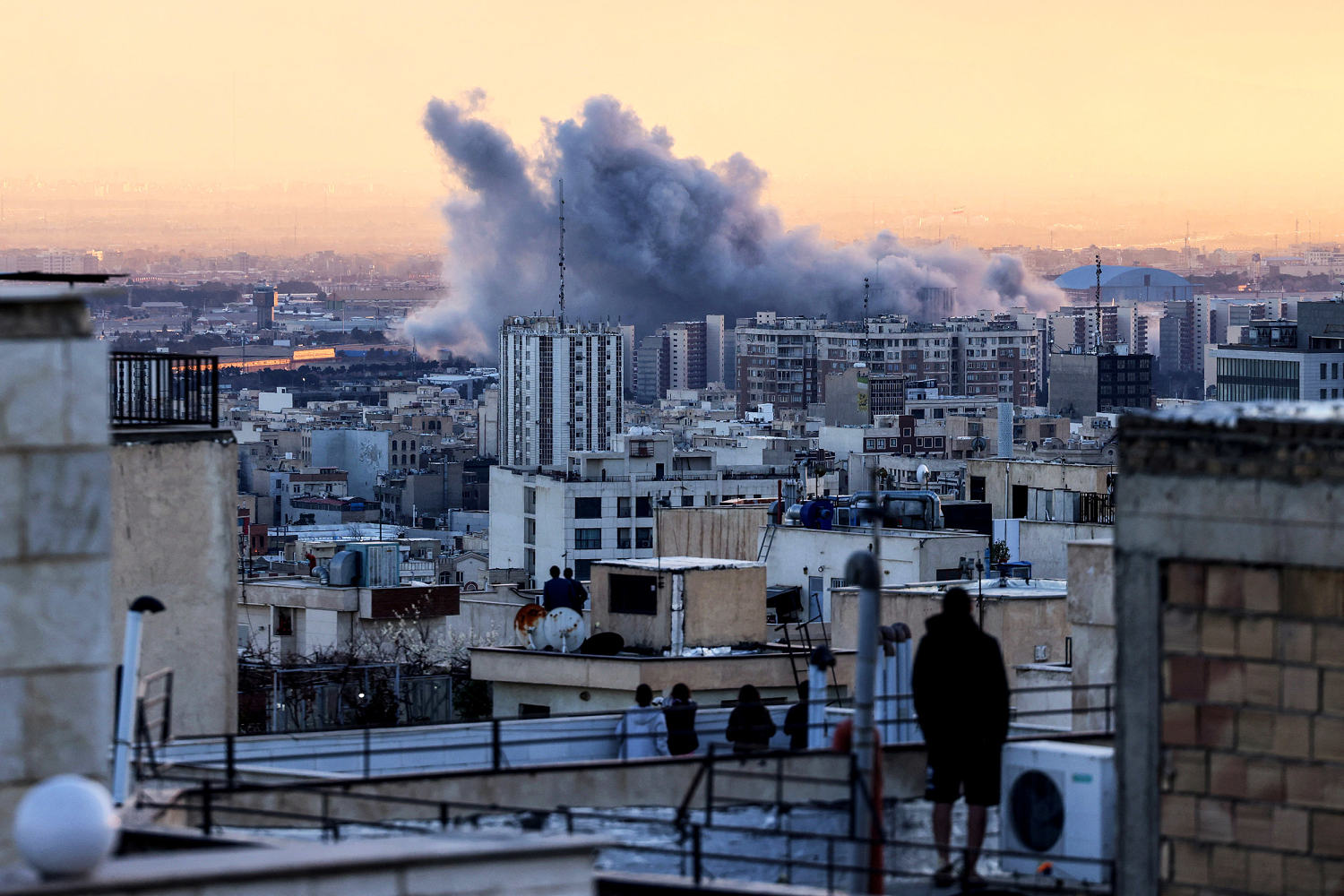
Timeline · 5 moments
Pentagon watchdog reports munitions shortfall from Iran war
NBC News ↗USS George Washington enforces blockade and supports shipping
The Hindu ↗US defense report details strategic munitions shortage after Operation Epic Fury
Le Monde ↗US government reveals $33.4 billion spent on Iran war by June
CNBC ↗Pentagon acknowledges ammunition shortages and supply chain issues
Franceinfo ↗How it started
Tensions between the United States and Iran escalated dramatically, eventually leading to direct military conflict. In response, the US launched Operation Epic Fury, deploying significant resources and personnel to the region.
As the conflict intensified, the US military committed advanced weaponry and large amounts of munitions. Early statements from US officials suggested that ammunition stocks were sufficient for prolonged operations.
However, the scale and pace of the campaign quickly began to strain military supplies and logistical networks.
How it unfolded
On September 14, 2026, a Pentagon inspector general report was released, marking the first official assessment of the war's impact on US military resources. The report found that ongoing operations in Iran had led to a significant shortfall in munitions and created bottlenecks in the supply chain.
The next day, more details emerged about the scope of the shortages. Reports highlighted that the shortage was not limited to ammunition but extended to damage across hundreds of structures and aircraft. The Pentagon's findings contradicted earlier claims by the Trump administration that US military supplies were robust.
By September 15, the financial toll of the conflict was made public. The US government had spent $33.4 billion on the war as of June 29. This figure included costs from damaged infrastructure, equipment, and ongoing operations.
Meanwhile, the USS George Washington played a key role in enforcing a US naval blockade against Iran and supporting commercial shipping in the Strait of Hormuz, underlining the military's continued presence and operational commitments in the region.
The Defense Department's inspector general called for urgent assessment and solutions to address the munitions shortfall and rebuild depleted inventories.
Where it stands
The US military now faces a pressing shortage of key munitions and must contend with significant damage to its assets. The $33.4 billion spent so far reflects both direct combat costs and the broader logistical challenges of sustaining operations.
Military leaders are under pressure to address these shortages quickly, as further delays could impact readiness for future conflicts. The Pentagon is actively reviewing its supply chains and industrial capacity to speed up the replenishment of its strategic stockpiles.
What to watch
Attention will remain on how the Pentagon addresses the munitions shortfall and whether new policies or funding will be introduced to rebuild inventories. Observers are also watching for any changes in military strategy or posture in the region as the US adapts to these operational strains.
More in Politics
All →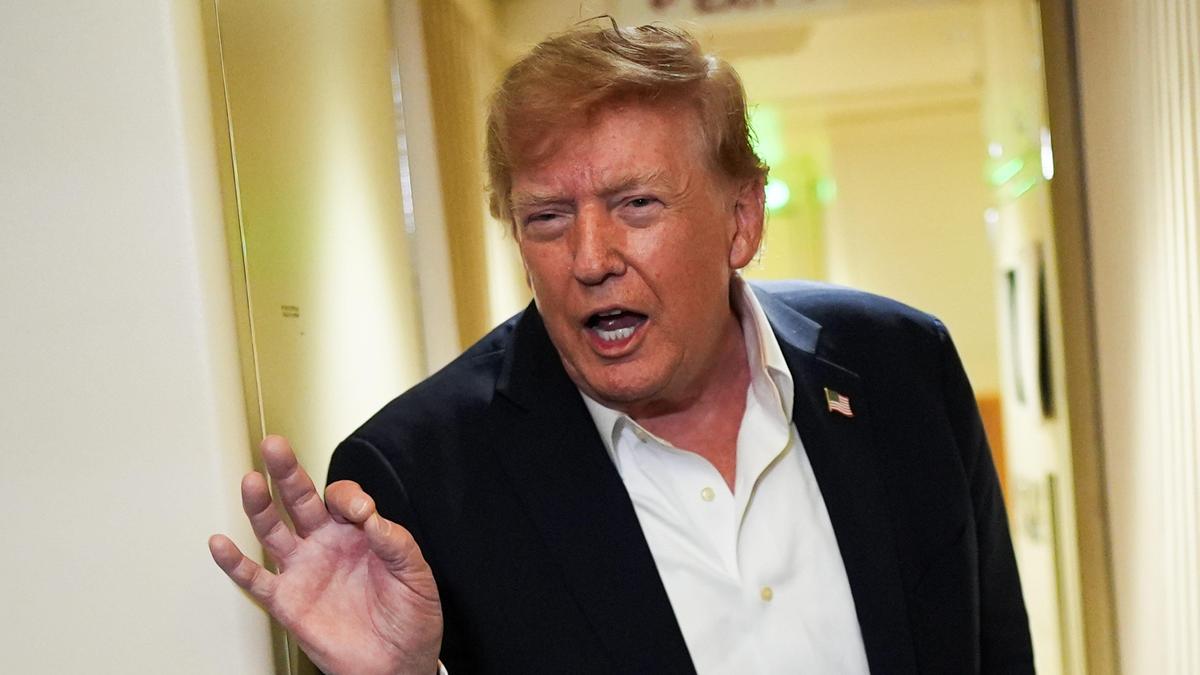
Supreme Court Rejects Trump's Mail Ballot Restrictions Before Midterms
The Supreme Court has blocked new mail-in voting restrictions, allowing the previous rules to remain for the 2026 midterm elections.
32 sources · today
Gavin Newsom Says He Will Not Challenge Kamala Harris in 2028 Presidential Race
California Governor Gavin Newsom announced he will not seek the Democratic nomination for president in 2028 if Kamala Harris enters the race, reshaping early speculation about the party's future.
8 sources · today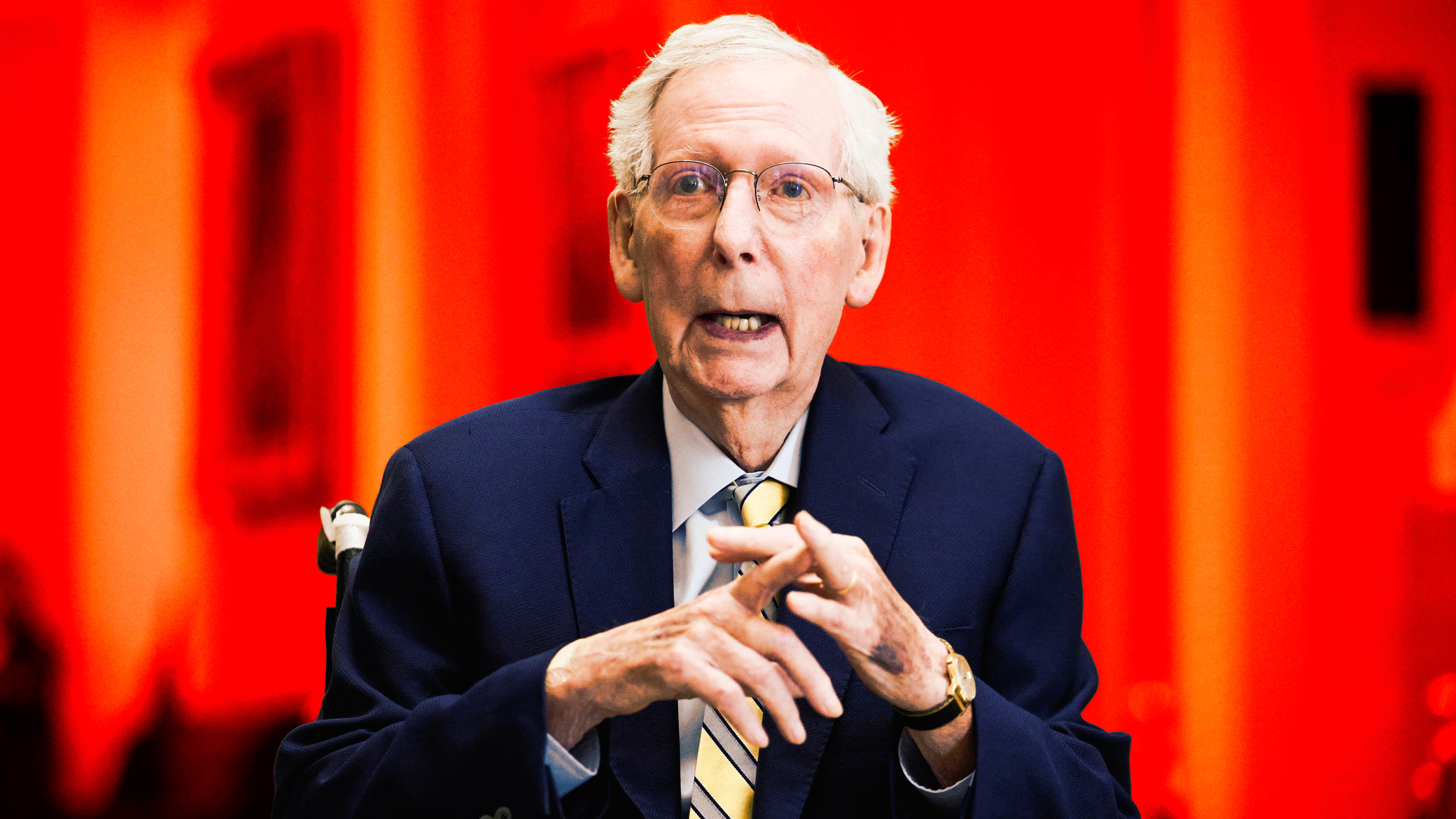
Mitch McConnell Returns to Senate After Three-Month Absence for Health Recovery
Senate Minority Leader Mitch McConnell, 84, has reappeared at the Capitol after a lengthy recovery from a fall and pneumonia, raising questions about his future participation and the role of aging lawmakers.
19 sources · over 3 days