US Sanctions Force Iranian Airlines to Cancel International Flights Across Region
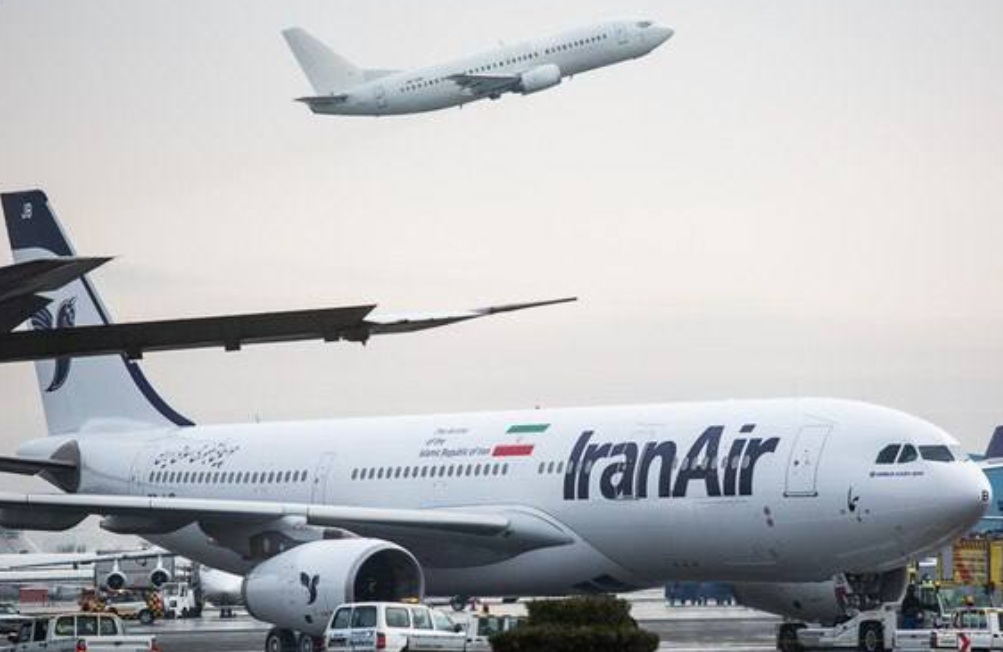
Sweeping US sanctions have triggered widespread grounding of Iranian airlines, causing flight suspensions to multiple countries and major travel disruptions as regional governments comply or push back.
By Claire Dubois · First published 24 Sept 2026
In brief
- The US Treasury set a deadline of September 23, 2026, to globally ground Iranian airlines under expanded sanctions.
- Airports, fuel suppliers, and ticketing companies servicing Iranian carriers risk exclusion from the US dollar system if they do not comply.
- Iranian airlines have cancelled flights to Iraq, Oman, Qatar, Georgia, Azerbaijan, and the UAE, severely cutting international connectivity.
- China publicly opposes the US sanctions, calling them illegal, while some routes to China remain operational for now.
- Iran has threatened retaliation against neighboring airports that enforce the US ban, raising regional tensions and uncertainty for travelers.
Timeline · 7 moments
US Treasury warns Iranian airlines face global shutdown
Arab News ↗Iraq suspends Iranian flights to Baghdad after US threat
Arab News ↗China declares US sanctions on Iran airlines illegal
Mehr News (English) ↗Iran cancels flights to Baghdad, Muscat, Qatar, Georgia and Azerbaijan
Middle East Eye ↗Iranian flight lands in China despite sanctions threat
Arab News ↗UAE suspends all flights by Iranian airlines
Middle East Eye ↗Iran warns neighbors against backing US airline ban
Top World News- News18.com ↗How it started
The US government has long used economic sanctions to pressure Iran over its nuclear program and regional activities. In September 2026, the US Treasury announced a new phase targeting Iran's entire aviation sector. The goal was to ground all Iranian airlines worldwide by September 23, 2026. US officials warned that not only Iranian carriers but also any foreign company or airport providing services to them would face severe penalties, including being cut off from the US dollar system.
These measures were described as an "economic D-Day" by US Treasury Secretary Scott Bessent, signaling a sharp escalation in attempts to isolate Iran financially and commercially. The sanctions were timed as Iran's international air links were already strained by months of conflict and existing restrictions.
How it unfolded
On September 21, 2026, the US Treasury reiterated the deadline and scope of the sanctions, warning that any entity helping Iranian airlines could be targeted. Iran's aviation officials initially insisted that flights would continue as scheduled, but the pressure quickly mounted.
By September 22, flights to Baghdad and Muscat were cancelled. Iraqi authorities suspended Iranian flights to Baghdad, responding to the US threat, and Oman engaged in talks with Iran over the situation. Other countries in the region, including Qatar, Georgia, and Azerbaijan, soon followed, suspending flights operated by Iranian carriers.
China condemned the US move, declaring the sanctions illegal and expressing support for continued cooperation with Iran. Despite the sweeping restrictions, at least one Iranian flight reportedly landed in China according to flight tracking data on September 23.
As the US deadline arrived, more countries halted Iranian flights. The United Arab Emirates suspended all flights by Iranian airlines, further isolating Iran's air links. Iran responded by threatening regional airports that enforce the US sanctions, warning of possible retaliation if neighbors complied with the ban.
Where it stands
As of late September 2026, Iranian airlines have been forced to cancel most international flights in the region, including to Iraq, Oman, Qatar, Georgia, Azerbaijan, and the UAE. Some routes, such as those to China, remain in operation for now. The move has caused major travel disruptions, pushing some travelers to rely on costly and time-consuming land routes instead of air travel.
Tensions are high, with Iran warning neighboring countries against participating in the US campaign. Regional governments are now balancing US pressure with the risk of Iranian retaliation and the practical needs of their own travelers and economies.
What to watch
The next steps depend on whether more countries will enforce the US sanctions or seek workarounds. Iran's threats of retaliation could escalate regional tensions, especially if more airports or airlines are targeted. The fate of flights to China and a few other destinations remains uncertain, as does the broader impact on regional mobility and diplomacy.
More in World
All →
Anti-Migrant Activist Danny Tommo Arrested After Slashing Migrant Dinghy in Channel
Danny Tommo, a prominent anti-migrant activist, was arrested after video showed him slashing a migrant dinghy in the English Channel while a rescuer was still onboard, sparking a police investigation.
12 sources · over 4 days
FIFA President Gianni Infantino Calls for Reform Talks After World Cup Controversy
Gianni Infantino has proposed an external review of FIFA's governance in response to mounting criticism following recent World Cup controversies and failed commercial plans.
20 sources · over 3 days
Netanyahu and New York Mayor Mamdani Trade Accusations Before UN Assembly Speech
Israeli Prime Minister Benjamin Netanyahu and New York Mayor Zohran Mamdani have escalated their public feud ahead of Netanyahu's speech at the United Nations, drawing global attention and political reactions.
21 sources · over 4 days