
US Secures 100-Year Control of Key Venezuelan Oil Fields in Historic Deal
A sweeping agreement gives the United States direct control over a fifth of Venezuela's oil reserves, reshaping global energy politics and triggering debate over its impact on prices and Venezuelan sovereignty.
By Hushread Stories, from 87 outlets · First published 19 Aug 2026
In brief
- The US has secured a 100-year deal for control over 17 Venezuelan oil fields, representing about 65 billion barrels of crude.
- Venezuela will receive $200 billion in royalties and taxes over the first 25 years of the agreement.
- The deal is expected to reshape global energy politics and increase US influence in the region amid ongoing skepticism.
- Chevron plans to double its production in Venezuela, investing $7 billion to support the new joint venture, NABEP.
- The actual impact on US gas prices and Venezuela's economy remains uncertain, with potential backlash anticipated from the public.
Timeline · 6 moments
US signs deal to control a fifth of Venezuela's oil reserves
Al Jazeera ↗Chevron pledges $7 billion to double Venezuela oil output
Financial Times World ↗US troops backed removal of Maduro amid oil negotiations
BBC News ↗NABEP to pay $200 billion in royalties and taxes to Venezuela
Mint ↗Trump announces historic US-Venezuela oil deal for 65 billion barrels
Bloomberg ↗Venezuela grants US firm 100-year concessions for oil fields
CNBC International ↗How it started
For years, the United States and Venezuela had a tense relationship, especially over oil. Venezuela holds some of the world's largest crude reserves, but US sanctions and political standoffs kept American companies out. The situation changed dramatically following the ouster of Nicolás Maduro as president, as reported by HVG. This political shift opened the door to new negotiations between Caracas and Washington.
President Donald Trump's administration saw an opportunity to secure energy resources and influence the region. Talks intensified through 2026, with both sides aiming to address Venezuela's economic crisis and America's interest in stable oil supplies. The groundwork was laid for a deal that would not only grant access to oil but also reshape the balance of power within OPEC and the global oil market.
How it unfolded
On September 1, 2026, President Trump announced what he called the "biggest oil deal in history." According to Bloomberg, the agreement gives the US control over more than 65 billion barrels of Venezuelan crude, representing about a fifth of the country's reserves. The key player is North American Blue Energy Partners (NABEP), a US-Venezuelan joint venture led by businessman Alejandro Betancourt.
The White House confirmed that NABEP received 100-year concessions for 17 oil fields, with the deal expected to be worth hundreds of billions of dollars for the US, CNBC International reported. In exchange, Venezuela will receive $200 billion in royalties and taxes over the first 25 years, according to Mint.
The deal's details quickly drew scrutiny. Analysts cited by the Financial Times warned that the agreement may not attract enough investment and could further destabilize Venezuela's interim government. The Conversation and CNN noted skepticism about whether the deal would actually lower US fuel prices or quickly boost production.
Public reaction in Venezuela has been mixed, with some anger over foreign control and others hoping for economic relief. The BBC highlighted that elite US troops supported the removal of Maduro, which paved the way for these sweeping oil concessions. Meanwhile, international outlets like Al Jazeera and Anadolu Ajansı confirmed that the US would hold a controlling stake in the reserves through the new private company structure.
Where it stands
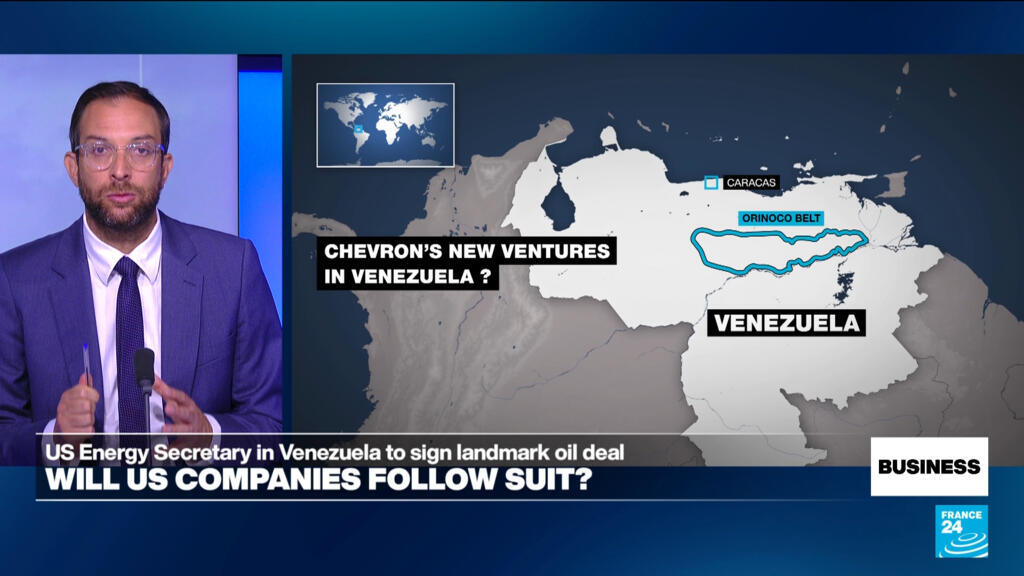
As of early September 2026, the agreement is signed and US Energy Secretary Chris Wright has traveled to Caracas for the official ceremony, as reported by France24. The US now holds majority control over 17 major oil fields and roughly one-fifth of Venezuela's reserves, with NABEP operating as the main vehicle for this partnership. Chevron, the largest foreign operator in Venezuela, has also pledged to double its production and invest $7 billion, further cementing US influence in the country's energy sector.
Despite the historic scale of the deal, industry experts told outlets like the Washington Post and NPR that it will take years before increased oil production reaches American consumers. Political risks, questions about long-term investment, and the controversial involvement of Alejandro Betancourt remain unresolved.
What to watch
Chevron's expansion and the rollout of NABEP's operations will be closely monitored in the coming months. The actual impact on US gas prices and Venezuela's economy is uncertain, and observers are watching for potential backlash within Venezuela. US officials are defending the deal as a strategic win, but skepticism remains high among analysts and the Venezuelan public.
More in Business
All →
US Tech Stocks Tumble as AI Spending Worries Spread Globally
A sharp reversal in technology shares has spread to Asian markets as investors question the cost of AI infrastructure, with rising oil prices adding pressure.
15 sources · over 3 days
Jio Platforms IPO Demand Reaches 5.57 Times on Day Two
Jio Platforms' ₹30,213 crore offering drew bids for more than five times the shares on offer by the second day, according to Economic Times Business & Economy.
18 sources · over 5 days
Musk backs $3.5 trillion Tesla and SpaceX merger as insiders raise concerns
Special committees are studying a combination of Musk's two companies, but his public backing has raised concerns about shareholder scrutiny, delays and the difficulty of valuing the business.
17 sources · over 2 days