
US Stocks Sway as Treasury Yields Climb and Inflation Worries Grow
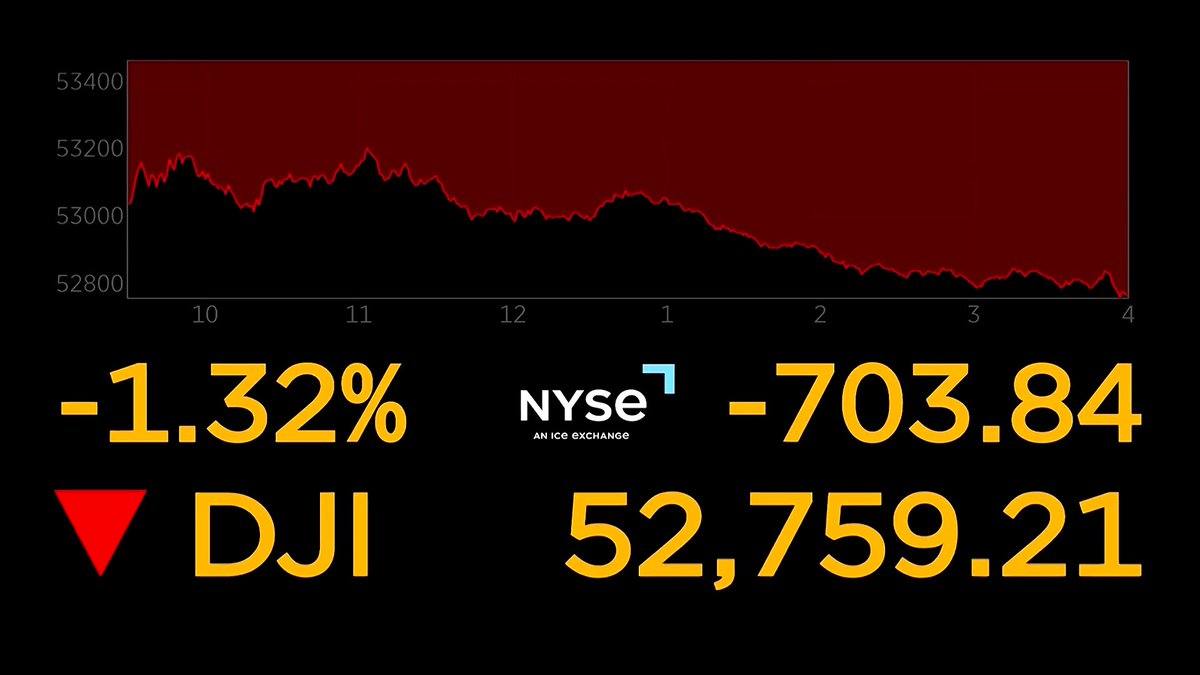
US stock markets have been volatile this week as rising Treasury yields and higher oil prices stoked inflation concerns, with disappointing Walmart earnings adding to investor uncertainty and sharp market swings.
By Hushread Stories, from 17 outlets · First published 17 Aug 2026 · Chapter 1 of 2
In brief
- US stock markets are volatile as rising Treasury yields and oil prices stoke inflation concerns.
- Major indexes, including the S&P 500 and Dow Jones, have experienced declines amid disappointing earnings from Walmart.
- Bond yields remain a central focus, with investors cautious about potential further increases impacting market stability.
- Recent reports indicate a partial rebound in stocks as oil prices and yields eased, but uncertainty persists.
- Upcoming economic data and corporate earnings, particularly from tech companies, will be critical for market direction.
Timeline · 6 moments
US stocks rise with tech boost and falling yields
World News CNA ↗Stocks rebound as oil and yields fall
Bloomberg Technology ↗Dow Jones, S&P 500, Nasdaq post second week of losses
Business Line - Home ↗US market rises on day but falls for the week
Economic Times Business & Economy ↗US stocks sink as bond yields rise, Walmart disappoints
Economic Times Business & Economy ↗Stocks gain as Treasury signals lower bond yields
World News CNA ↗How it started
The recent turbulence in US stock markets began as government bond yields started to rise sharply in mid-August 2026. According to Reuters, this bond sell-off was triggered by fears that inflation would stay elevated due to increasing crude oil prices. The movement in yields made borrowing more expensive and prompted investors to reassess risk in their portfolios.
Healthcare stocks, including Moderna, found brief favor as bond yields eased, but the overall mood remained cautious. Rising oil prices, which tend to fuel inflation, kept pressure on both the bond and equity markets. Investors began watching earnings reports closely for signs of resilience or weakness in the broader economy.
How it unfolded
On August 19, 2026, the US Treasury announced plans to lower long-term bond yields, which temporarily lifted stocks and sent the dollar lower. Moderna stock soared on specific sector news, but other sectors remained under pressure. (World News CNA)
By August 20, major US stock indexes had fallen again. Reports from The Economic Times and Reuters highlighted that rising Treasury yields and disappointing Walmart results hit investor sentiment hard. Oil prices continued to rise, stoking fears that inflation would remain stubbornly high. The S&P 500 and Dow Jones both declined, and market participants grew more cautious.
Later that week, despite some attempts by the Treasury to calm markets, volatility persisted. The S&P 500 and Nasdaq ended a three-week winning streak, while the Dow posted its second consecutive weekly loss, according to the Economic Times on August 21. Reuters reported that while US indexes managed to close higher on Friday, they still logged weekly losses as investors were rattled by shifting bond yields and uncertainty surrounding Middle East developments.
After this sharp drop, markets saw a partial rebound as oil prices and yields slipped. On August 25, reports from Bloomberg and Barchart noted that stocks rose as both crude oil and Treasury yields fell back, helping restore some confidence. However, the week remained volatile, with investor attention shifting between earnings, oil prices, and bond market moves.
Where it stands
As of late August 2026, US stock markets remain unsettled. Major indexes are fluctuating day to day, and the S&P 500 has moved away from its recent all-time highs. Bond yields are still a central focus, with investors wary that another rise could trigger further market declines.
Disappointing retail earnings, especially from Walmart, have added to skepticism about consumer strength. Oil prices and inflation prospects remain at the forefront, making it difficult for markets to sustain a clear direction.
What to watch
Investors are closely monitoring upcoming economic data and any signals from the US Treasury about further steps to manage bond yields. The next wave of corporate earnings, especially from major technology companies, may also influence market sentiment. Persistent inflation or a renewed spike in yields could keep volatility high in the coming weeks.
More in Business
All →
Meta Strikes Share Deal to Keep Mark Zuckerberg in California
A new stock arrangement lets Meta's CEO sell shares toward a potential wealth tax bill without weakening his voting control, as California voters prepare to decide the proposal.
15 sources · over 2 days
Musk Backs Tesla and SpaceX Merger as Insiders Warn of Delays
A proposed combination of Tesla and SpaceX could consolidate Musk's control, but his public backing is raising concerns about shareholder scrutiny before a deal is settled.
15 sources · over 2 days
Meta ordered to pay New Mexico $25 billion in privacy case
The order follows a jury finding that Meta misled consumers about privacy, bringing a major financial penalty in litigation tied to the Cambridge Analytica scandal.
67 sources · over 2 days