USS Abraham Lincoln's Crew Faces Mental Health Crisis After Record Deployment
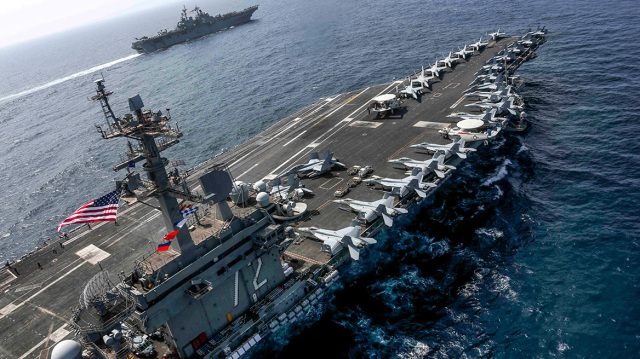
Sailors aboard the USS Abraham Lincoln endured nearly nine months at sea under tough conditions, raising urgent questions about military readiness, crew well-being, and the impact on families after an unusually long deployment.
By Ethan Cole · First published 16 Aug 2026
In brief
- The USS Abraham Lincoln is returning home after a record nine-month deployment, raising concerns about crew mental health.
- Sailors reported poor living conditions, food shortages, and low morale during the extended mission in the Middle East.
- The Pentagon is reviewing mental health support for deployed personnel in response to growing concerns among the crew.
- Families of sailors criticized official statements and highlighted the emotional toll of the deployment on military families.
- Future Navy policies may change as inquiries into the Lincoln's mission and its impacts on crew well-being are conducted.
Timeline · 8 moments
USS George Washington replaces USS Lincoln in Middle East
World News CNA ↗USS George Washington arrives amid morale concerns
Latest news, sport and opinion from the Guardian ↗USS Abraham Lincoln returns after 272 days at sea
Proto Thema ↗Mental health issues raise readiness concerns
Forbes ↗Food shortages linked to Iranian attacks
The Independent ↗Sailor's father detained by immigration authorities
The Hill ↗USS Lincoln stops in Thailand for crew rest
ABC News ↗USS Lincoln sails past Singapore on way home
World News Headlines, Latest International News, World Breaking News - Times of India News ↗How it started
The USS Abraham Lincoln, a US Navy aircraft carrier, was deployed to the Middle East as tensions with Iran increased. The mission rapidly became one of the longest American carrier deployments since the Cold War, with the ship and its 5,000 crew conducting operations in the Arabian Sea and the Strait of Hormuz.
Early on, sailors and their families began raising concerns about living conditions and morale. Reports of food shortages and long stretches without port calls added to the stress. These issues were compounded by the high operational tempo and the ship's critical role in the US military's regional strategy.
How it unfolded
As the deployment stretched into its eighth and ninth months, media outlets began reporting on the deteriorating conditions aboard the Lincoln. On August 20, 2026, the Guardian and World News CNA noted that the USS George Washington had arrived to relieve the Lincoln, citing low morale and poor living conditions as key reasons for the handover.
Proto Thema reported that the Lincoln's 5,000 sailors were exhausted after 272 days at sea. Forbes and Anadolu Ajansı highlighted growing mental health concerns, prompting the Pentagon to review the psychological well-being of its deployed personnel. Franceinfo and the New York Post described this deployment as the longest since the Cold War, while also mentioning supply shortages and the strain on personnel.
By late August, reports from The Independent and NBC News detailed how Iranian attacks had disrupted resupply efforts, forcing the Lincoln to rely on distant supply chains. Families of sailors spoke out to USA TODAY and other outlets, criticizing official statements from the Trump administration and describing the real impacts of substandard conditions.
Personal stories brought further attention to the crisis. Multiple outlets, including CBS, The Hill, and The Independent, covered the case of Joshua Aviles, a sailor whose father was detained by immigration authorities while he was deployed. This incident highlighted the additional emotional burdens faced by military families during extended missions.
As the Lincoln began its journey home, stops in Thailand and Singapore were planned to allow for crew rest and ship maintenance, according to ABC News and Times of India.
Where it stands
The USS Abraham Lincoln is now on its way back to its home port in the US after completing a grueling nine-month deployment. The ship is scheduled for maintenance, while its crew is finally reuniting with families after an extended period at sea.
The episode has triggered calls for accountability and a closer look at how the US Navy manages long-term deployments, especially regarding mental health support, supply logistics, and family welfare. Lawmakers and advocates are demanding answers about what went wrong and how to prevent similar crises in the future.
What to watch
Key questions remain about how the Navy will address the mental health impacts of this deployment. Inquiries and possible policy changes are expected as military and civilian leaders review the Lincoln's mission. The experiences of its crew are likely to shape future guidelines for deployment lengths and support services.
More in World
All →
USS Abraham Lincoln Docks in Thailand After Record Nine-Month Deployment
After over nine months at sea supporting US military operations in the Middle East, the USS Abraham Lincoln arrived in Pattaya, Thailand, drawing attention to crew hardships and local preparations for thousands of sailors.
22 sources · over 3 days
Israeli Strikes in Gaza Kill Civilians as Death Toll Surges Past 73,000
Despite a declared ceasefire, Israeli airstrikes in Gaza continue to cause heavy civilian casualties, with over 73,000 Palestinians reported dead since October 2023 and hundreds more injured in recent attacks.
47 sources · over 17 days
Norway Mourns King Harald V as Haakon VIII Takes the Throne
King Harald V's death at 89 has ended a historic reign, bringing a period of national mourning and the succession of his son, Haakon VIII, as Norway's new monarch.
59 sources · over 7 days