Zelensky Proposes Energy Ceasefire With Russia After Meeting Trump in New York
Ukrainian President Zelensky has offered to halt strikes on Russian energy sites if Moscow does the same, aiming to de-escalate the conflict before winter sets in.
By Hannah Lindqvist · First published 23 Sept 2026
In brief
- President Zelensky said Ukraine is ready to pause attacks on Russian energy infrastructure if Russia stops targeting Ukrainian energy sites.
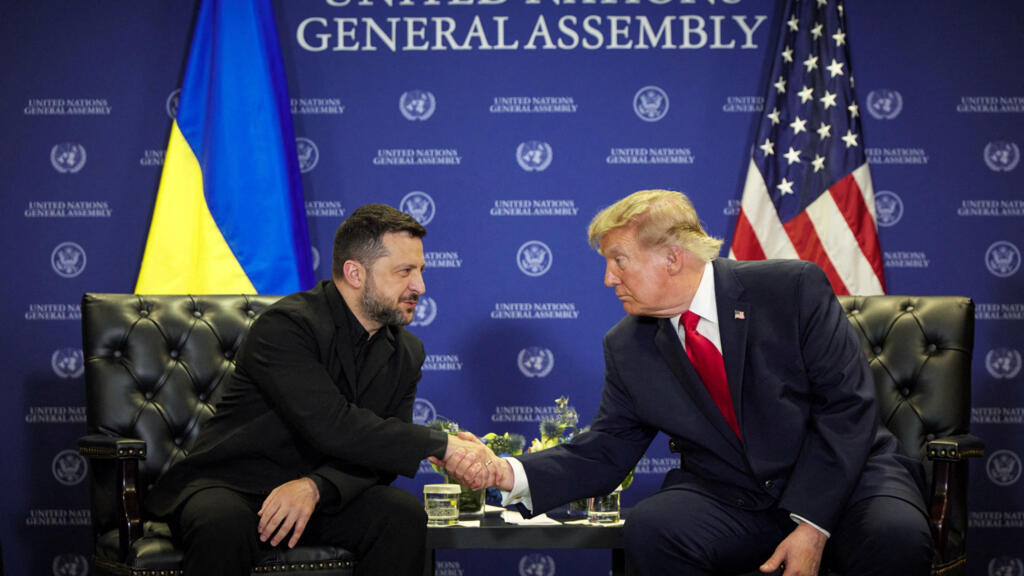
- The proposal came after Zelensky met with U.S. President Trump in New York on the sidelines of the UN General Assembly.
- Both Kyiv and Washington have expressed a desire to see the war in Ukraine end before winter approaches.
- Zelensky also indicated openness to broader talks, including a possible meeting with Russian President Putin, if conditions allow.
- No firm agreement has been reached yet, and discussions about weapons deliveries and sanctions remain ongoing.
Timeline · 9 moments
Zelensky authorizes new long-range operations against Russia
World News News ↗Zelensky offers to pause strikes if Russia spares energy sites
World News News ↗Zelensky responds to Trump, ready for energy truce
World News News ↗Zelensky and Trump meet at UN General Assembly
Euronews ↗Zelensky calls for U.S. help to end war before winter
NYT World News ↗Ukraine ready for energy ceasefire with Russia
© Reuters ↗Talks on weapons and de-escalation held in New York
Deutschlandfunk - Fortlaufende Nachrichten vom 24. August 2026 ↗Zelensky reiterates readiness for energy truce after Trump talks
Al Jazeera ↗Zelensky suggests possible meeting with Putin if conditions allow
ARD Tagesschau ↗How it started
In recent months, the war in Ukraine has involved repeated attacks on energy infrastructure by both Russian and Ukrainian forces. These strikes have become a focal point as both sides seek leverage and try to weaken each other's capacity before the harsh winter months.
Ukrainian President Volodymyr Zelensky has consistently called for Western support, while also signaling readiness to consider steps toward de-escalation if Russia reciprocates. The energy sector, vital for both countries' civilian populations, has become a flashpoint in the conflict.
How it unfolded
On September 19, President Zelensky authorized new long-range operations in response to Russian strikes on Ukrainian targets. This action underscored the escalating tit-for-tat attacks on energy infrastructure.
By September 20, Zelensky publicly stated that Ukraine would consider pausing strikes on Russian energy sites if Russia agreed to stop attacking Ukrainian infrastructure. This offer was reiterated in the following days as a potential step toward de-escalation.
On September 22, Zelensky met with U.S. President Trump in New York during the UN General Assembly. After the meeting, Zelensky described the talks as positive and productive, emphasizing that both Kyiv and Washington want the war to end before winter. He stated that they had discussed a possible energy ceasefire and other de-escalation steps.
Zelensky also mentioned his hope that Trump would use his influence, including possible sanctions, to encourage Russia to agree to a ceasefire. Reports indicated the two leaders talked about weapons deliveries, but no clear decision was announced.
On September 23, Zelensky further clarified that Ukraine is ready for an energy truce with Russia, provided Moscow halts its attacks on Ukrainian energy facilities. He also floated the idea of a meeting with Russian President Putin, potentially mediated by Trump, if it could help end the conflict.
Where it stands
As of now, no formal agreement on an energy ceasefire has been reached. Ukraine has publicly committed to halting strikes on Russian energy infrastructure if Russia does the same, but Moscow has not responded with a clear commitment.
Talks between Zelensky and Trump have opened the door for potential de-escalation measures, but key issues such as weapons deliveries and sanctions remain unresolved. Both Ukrainian and U.S. leaders say they want to see progress before winter, but the situation remains fluid.
What to watch
Observers are closely watching for any official response from Russia to Zelensky's proposal. The coming weeks will be crucial, as both sides face mounting pressure to secure their energy supplies before winter. Any breakthrough could shape the next phase of the conflict, but the risk of renewed escalation remains if talks stall.
More in World
All →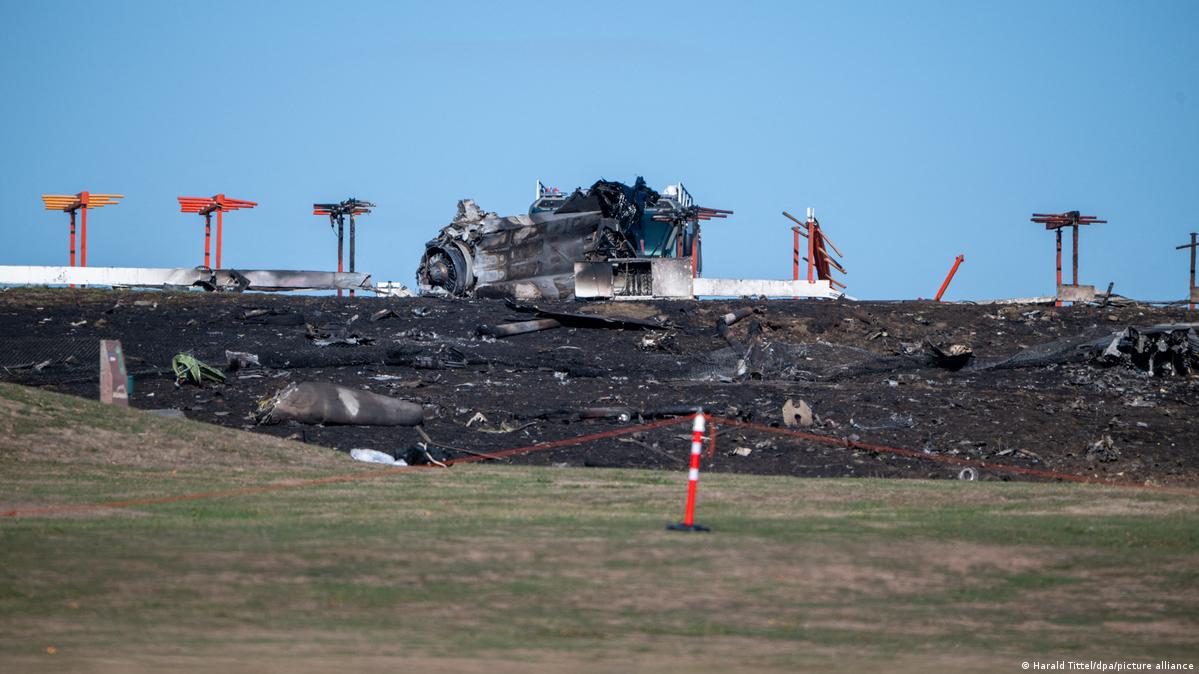
US F-16 Fighter Jet Crashes Near Spangdahlem Air Base in Germany
A US Air Force F-16 crashed near Spangdahlem Air Base in western Germany, leaving the pilot injured and prompting ongoing investigations by military and local authorities.
8 sources · today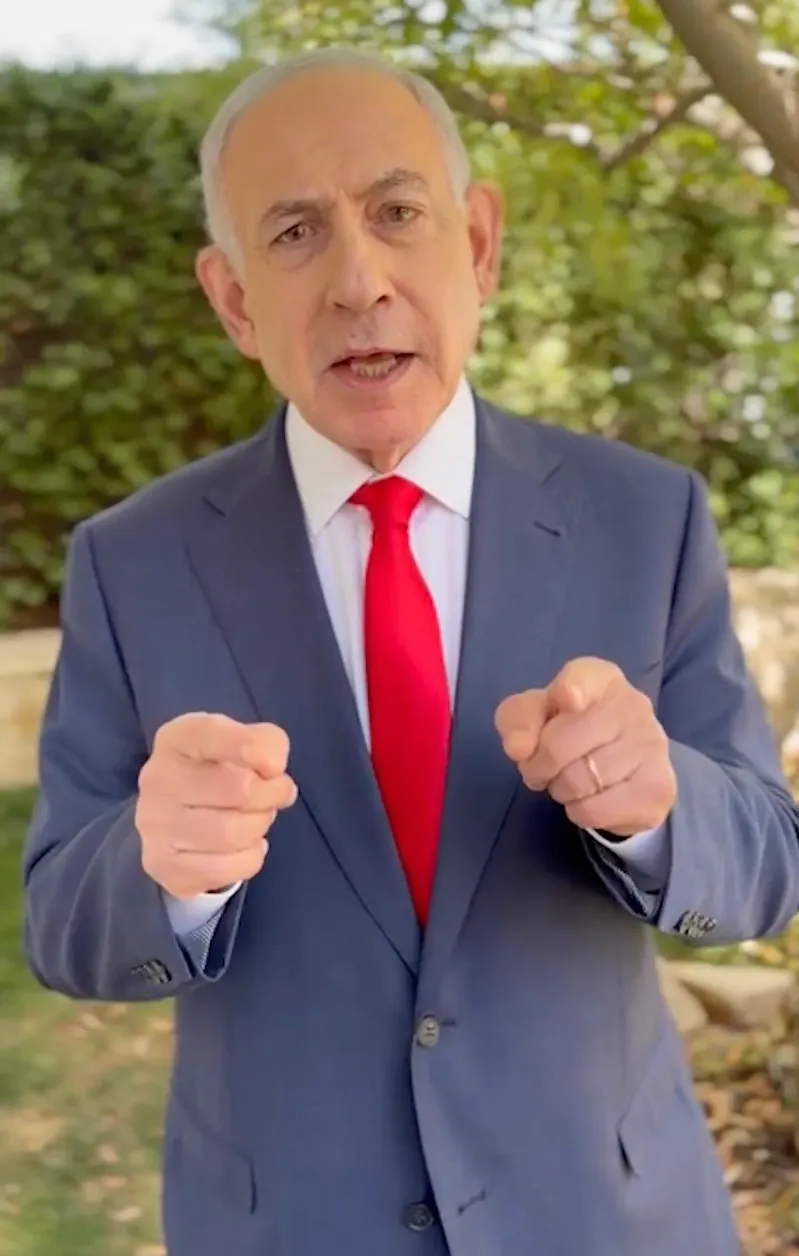
Netanyahu and New York Mayor Mamdani Trade Accusations Before UN Assembly Speech
Israeli Prime Minister Benjamin Netanyahu and New York Mayor Zohran Mamdani have escalated their public feud ahead of Netanyahu's speech at the United Nations, drawing global attention and political reactions.
15 sources · today
Sri Lankan Court Sentences 15 to Life for 2019 Easter Bombings
Fifteen men convicted over the 2019 Easter Sunday bombings in Sri Lanka have each been sentenced to life in prison.
16 sources · today