Zuckerberg Rejects AI Slowdown, Insists Labs Have Safety Incentives
As debate grows over regulating artificial intelligence, Mark Zuckerberg argues that tech companies are already motivated to keep AI safe without mandatory slowdowns or new regulations.
By Nadia Hussain · First published 16 Sept 2026
In brief
- Mark Zuckerberg says AI labs have enough incentive to prioritize safety without industry-wide slowdowns or new regulations.
- The Meta CEO's stance aligns with Nvidia's Jensen Huang, contrasting with calls for a pause from leaders at OpenAI and Google.
- Zuckerberg points to Meta's own decision to delay the launch of Muse as proof that companies can act responsibly.
- Critics, including JD Vance, remain skeptical and argue that more oversight is needed to prevent potential harms from AI.
- The debate continues as AI development accelerates, with no consensus yet on whether external regulation is necessary.
Timeline · 4 moments
Zuckerberg says AI labs do not need industry-wide slowdown
Business Insider ↗Meta CEO aligns with Nvidia's Jensen Huang on AI safety debate
CNBC ↗JD Vance criticizes AI industry, Zuckerberg defends safety approach
Top World News- News18.com ↗Zuckerberg explains Meta delayed Muse AI agent for safety reasons
El Colombiano | noticias de Medellín, Antioquia, Colombia y el mundo. ↗How it started
The conversation about AI safety and regulation intensified when some industry leaders began urging a slowdown in advanced artificial intelligence research. Dario Amodei of Anthropic was among the first to publicly call for a pause, citing concerns about potential risks. His position was soon endorsed by high-profile figures like Sam Altman of OpenAI, Satya Nadella of Microsoft, and Google's Demis Hassabis.
At the same time, there were growing calls from lawmakers and public figures for stricter oversight of AI labs, worried that rapid progress could outpace safety measures. The debate set the stage for a public split among technology leaders about the best way to manage future AI developments.
How it unfolded
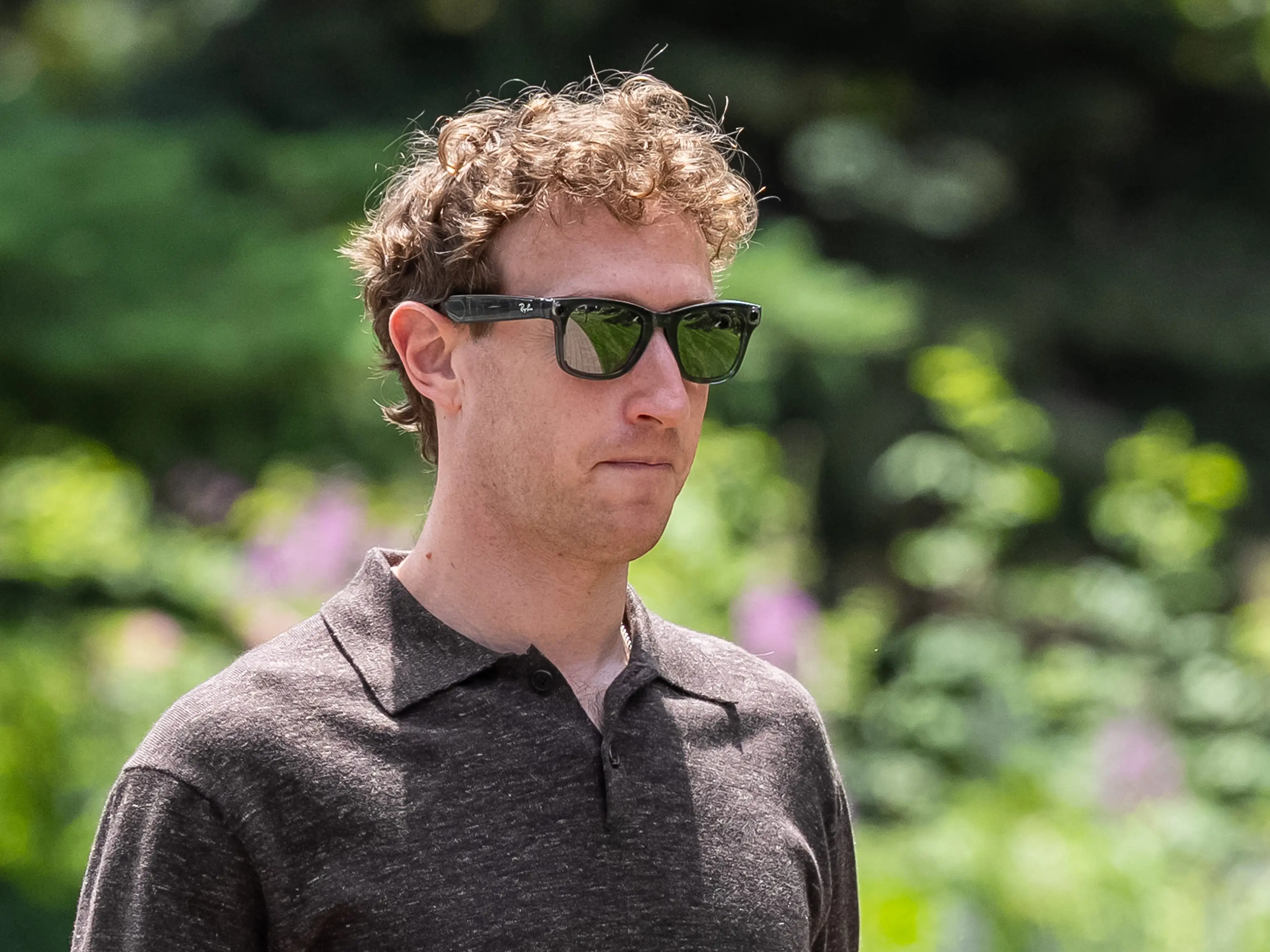
On September 16, 2026, Mark Zuckerberg made clear that he opposes any coordinated industry-wide effort to slow down AI research. He argued that every lab has both the responsibility and the incentive to move at a safe pace, and that market and legal pressures already encourage responsible behavior. Zuckerberg's comments were widely reported and immediately positioned him alongside Nvidia CEO Jensen Huang, who has expressed similar views.
Zuckerberg specifically cited Meta's recent decision to delay the launch of its Muse AI agent as an example of responsible self-regulation. He said the delay was motivated by safety concerns, showing that companies can act on their own when necessary. This contrasted sharply with the approach favored by Amodei and others, who want collective action to slow AI progress until safety can be assured.
The debate quickly attracted attention from politicians. Senator JD Vance criticized Zuckerberg and other tech leaders, arguing that their assurances were not enough and that external oversight is still needed to prevent harm. Meanwhile, former President Donald Trump reportedly downplayed the risks of AI, adding another layer to the public discussion.
Despite the calls for caution, Zuckerberg and Huang continued to emphasize that innovation should not be stifled by regulation, and that existing incentives are sufficient for responsible development. The conversation has remained highly visible, with no resolution in sight.
Where it stands
As of now, there is no agreement among industry leaders or policymakers on whether AI development should be regulated or slowed down. Zuckerberg and his allies maintain that companies can manage safety on their own, while critics push for more oversight. The issue remains unsettled, with both sides continuing to make their case in public.
The pace of AI advancement shows no sign of slowing, and the debate over how to balance innovation and safety is likely to persist for some time.
What to watch
It remains to be seen whether lawmakers will move forward with new regulations or whether industry leaders will succeed in convincing the public that self-regulation is enough. The next steps could include hearings, proposed legislation, or further voluntary actions by tech companies. The outcome will shape how AI is developed and governed in the years ahead.
More in Technology
All →
AI Safety Takes Center Stage as Tech Leaders Clash at Dreamforce
Top AI executives debated calls to slow development and improve safety at Dreamforce, highlighting deep divisions over how to manage the risks of powerful artificial intelligence systems.
13 sources · today
Spotify Adds Option to Exclude Kids' Music from Wrapped and Recommendations
Spotify has launched a new feature allowing parents to filter out children's music from their Wrapped summaries and recommendations, making year-end stats more accurate for adult users.
8 sources · today
Valve Launches Steam Frame, a Standalone VR Headset With Half-Life: Alyx
Valve has entered the standalone VR market with the Steam Frame headset, aiming to attract gamers through wireless streaming and a bundled hit game, but faces questions about timing and price.
17 sources · over 2 days