AfD Election Win in Sachsen-Anhalt Sparks Political Upheaval and Protests in Germany
The far-right AfD's victory in Sachsen-Anhalt has triggered coalition maneuvers, party infighting, and nationwide protests, raising concerns about Germany's political direction and alliances.
By Ethan Cole · First published 8 Sept 2026
In brief
- The far-right AfD won a decisive victory in the recent Sachsen-Anhalt state election, securing 39 out of 83 seats.
- Sahra Wagenknecht and her new party BSW have shown some willingness to cooperate with the AfD in parliament.
- Other major parties, including the CDU, have firmly ruled out working with or defecting to the AfD.
- The election result has led to widespread protests across Germany and sparked heated debate about right-wing extremism.
- Coalition talks are ongoing, with the future government makeup and possible AfD influence still uncertain.

Timeline · 7 moments
AfD secures major win in Sachsen-Anhalt election
The Hindu ↗European politicians warn of far-right surge after AfD victory
The Guardian ↗CDU's Sepp Müller rules out defections to AfD
Deutschlandfunk - Fortlaufende Nachrichten vom 24. August 2026 ↗Protests erupt across Germany against AfD's election win
France24 ↗Sahra Wagenknecht's BSW distances itself from AfD coalition
ARD Tagesschau ↗BSW signals willingness to support AfD parliamentary president
DIE ZEIT | Nachrichten, News, Hintergründe und Debatten ↗Internal CDU criticism grows after election defeat
DIE WELT ↗How it started
The state election in Sachsen-Anhalt was seen as a critical test for Germany's mainstream parties. The far-right Alternative for Germany (AfD) entered the race with growing support, especially in the eastern states. Leading up to the vote, established parties like the CDU and SPD warned of the risks of a far-right surge but also faced criticism for failing to address local concerns.
When the votes were counted, the AfD emerged as the clear winner, securing 39 of 83 seats in the regional parliament. This outcome surprised many observers and immediately put pressure on other parties to clarify their positions regarding possible cooperation with the AfD.
How it unfolded
On September 7, the AfD's strong performance was confirmed, with multiple outlets describing it as a seismic shift for both Sachsen-Anhalt and Germany as a whole. Politicians across Europe quickly reacted, warning of the broader implications for the continent if far-right parties continue to gain ground.
Sahra Wagenknecht, leader of the new BSW party, indicated some openness to working with the AfD in parliament, though her party later distanced itself from a formal coalition. Meanwhile, CDU's Sepp Müller publicly ruled out any defections or cooperation with the AfD, emphasizing that mainstream conservatives would not align with the far right.
As coalition talks began, several parties were either invited or considered for negotiations, but deep divisions remained. The AfD's victory also sparked immediate and widespread protests throughout Germany, with demonstrators calling for unity against right-wing extremism and expressing fears about the country's future direction.
The situation was further complicated by internal tensions within the CDU, with calls for leadership changes after their poor showing. At the same time, international observers, including in Italy and the UK, took note of the AfD's win and its potential ripple effects across Europe.
Where it stands
Germany remains in a period of political uncertainty as parties try to form a stable government in Sachsen-Anhalt. The AfD holds a strong position but faces resistance from most other parties, who are wary of legitimizing the far right.
Protests against the AfD's rise continue in major cities, reflecting deep divisions within German society. Coalition talks are ongoing, and the outcome will determine whether the AfD gains governing influence or remains isolated in the regional parliament.
What to watch
The key questions now are whether any party will break ranks and agree to work with the AfD, and what role the BSW will ultimately play in parliament. The outcome of coalition talks will set the tone for both Sachsen-Anhalt and national politics in the coming months.
More in Politics
All →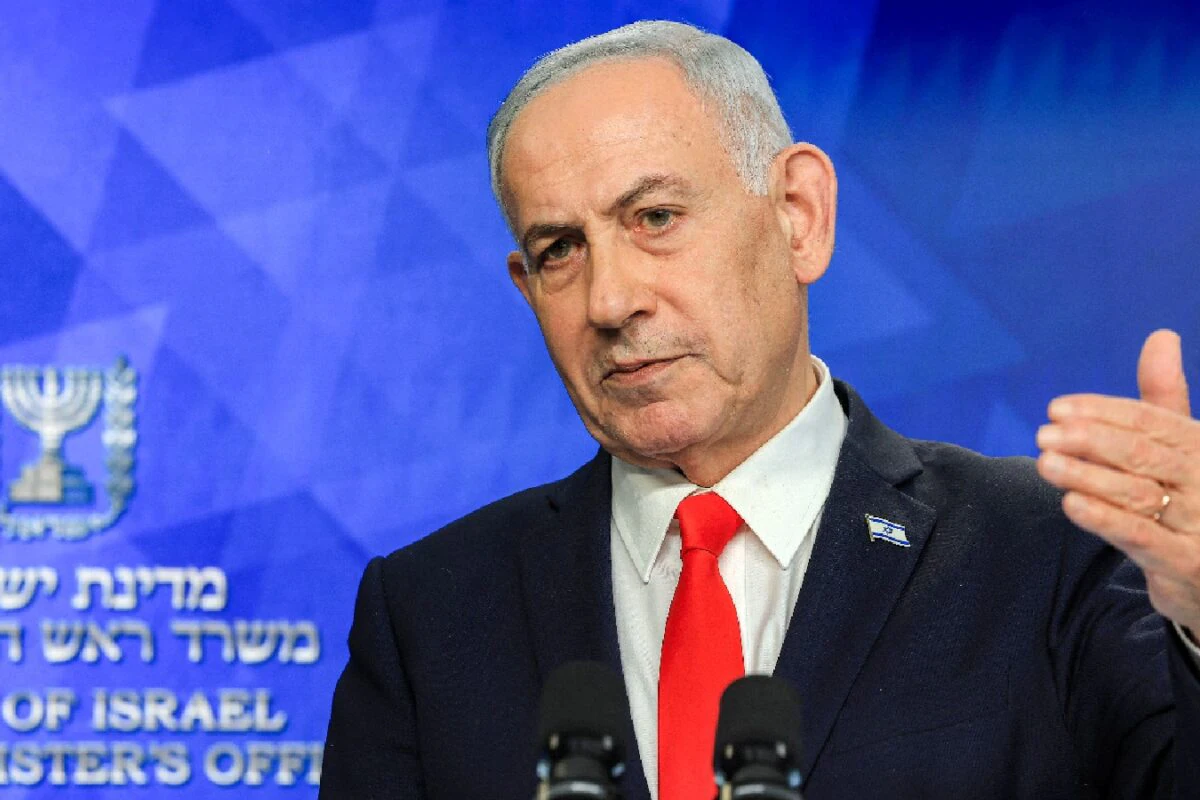
UAE President Warned Netanyahu of Hamas Attack Days Before October 7
A report claims the UAE president alerted Israel's prime minister to Hamas attack plans in late September 2023, but the warning was not acted on.
16 sources · today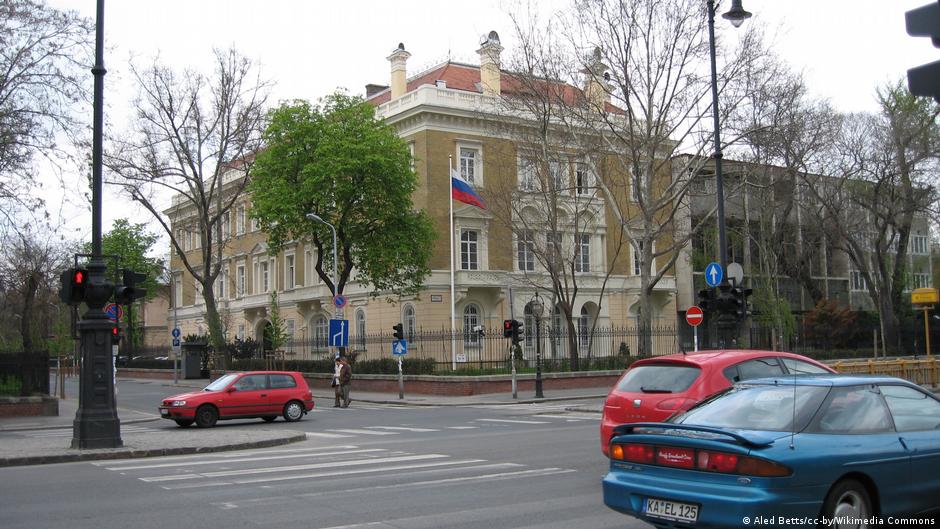
Hungary Expels Ten Russian Diplomats Over 'Unacceptable' Activities, Moscow Threatens Retaliation
Hungary has ordered ten Russian diplomats to leave, citing unacceptable actions, with Russia vowing a strong response as diplomatic tensions escalate between the two countries.
11 sources · today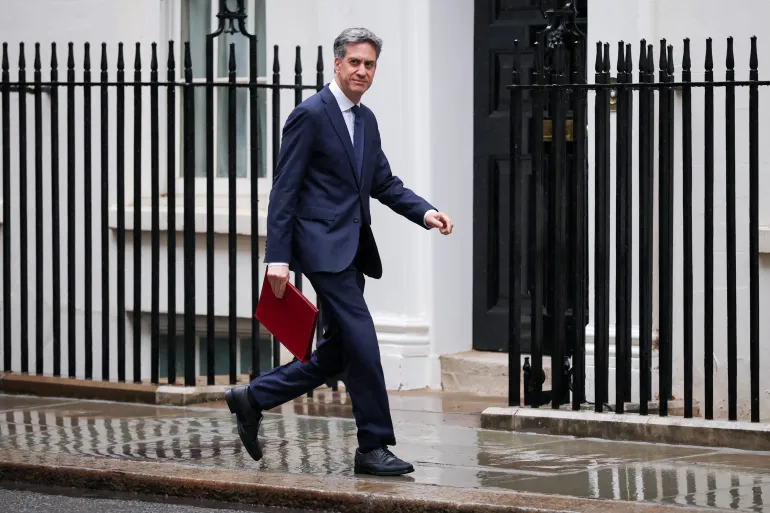
UK Moves to Ban Trade With Israeli Settlements, Prompting US and Israeli Backlash
The UK government will introduce a trade ban on goods from Israeli settlements in the West Bank, escalating diplomatic tensions with the US and Israel and signaling a significant shift in British foreign policy.
13 sources · over 3 days