AI Data Centers Ignite Bipartisan Political Backlash Ahead of US Midterms
Public opposition to AI data centers over energy, noise, and environmental concerns is reshaping election strategies, dividing Republicans, and uniting voters across party lines as the 2026 midterms approach.
By Samuel Adeyemi · First published 16 Aug 2026
In brief
- As of early September 2026, over 70 percent of Americans oppose new AI data centers near their homes.
- Both major political parties are adjusting their positions, with calls for regulation or bans on data center expansions.
- Trump's support for data centers is becoming a liability for some Republican candidates ahead of the midterms.
- Protests and community opposition are uniting voters across party lines, intensifying the backlash against data centers.
- The upcoming midterm elections will reveal the impact of this backlash on voter turnout and candidate success.
Timeline · 6 moments
Poll finds 75% oppose new data centers near homes
Reason ↗Republican leaders break with Trump on data centers
Politico ↗Trump warns opponents risk 'backwards and poor' future
The Hill ↗Gallup poll: Over 70% of Americans oppose local data centers
CBS Top Stories ↗AI billionaire-backed group launches pro-data center ad blitz
Bloomberg Technology ↗Nationwide protests highlight scale of opposition
VOX ↗How it started
The rapid expansion of AI data centers across the United States began as a sign of technological progress, promising job creation and economic growth. But as construction boomed, communities started to notice the downsides: increased electricity bills, persistent noise, and fears about environmental damage.
By mid-2026, these worries had spread nationwide. According to a Gallup poll cited by CBS, over 70 percent of Americans said they did not want data centers built near their homes. People feared declining property values and questioned whether the promised benefits outweighed the costs.
Both Republicans and Democrats began hearing from unhappy constituents. Local opposition moved quickly from isolated protests to a mainstream concern, setting the stage for a rare moment of bipartisan agreement.
How it unfolded
In late August 2026, media outlets began reporting that the backlash against data centers was not only widespread but also bipartisan. Reason magazine highlighted a poll showing 75 percent of Americans opposed to new data centers in their neighborhoods. Bloomberg reported significant resistance among both politicians and communities, with experts warning of serious implications for the tech industry.
On August 27, Politico and Forbes detailed how Republican leaders were distancing themselves from former President Trump on the issue. Some called for a halt to new projects, fearing that support for data centers could threaten their re-election chances. The Guardian and TIME noted that environmental and energy concerns were bringing together politicians from both parties, with New York imposing a temporary ban and calls growing for a national moratorium.
By the end of August, the issue was dominating campaign strategies. Trump, however, doubled down on his support, claiming data centers were vital for economic growth and warning that communities rejecting them risked becoming "backwards and poor" (as reported by The Hill, Financial Times, and others). His stance put him at odds with many Republican candidates and voters, but he continued to argue that opposing data centers would benefit foreign competitors like China.
Meanwhile, AI industry leaders and investors launched multimillion-dollar ad campaigns to sway public opinion. Groups funded by prominent Silicon Valley figures pushed messages about the economic necessity of data centers, especially in battleground states.
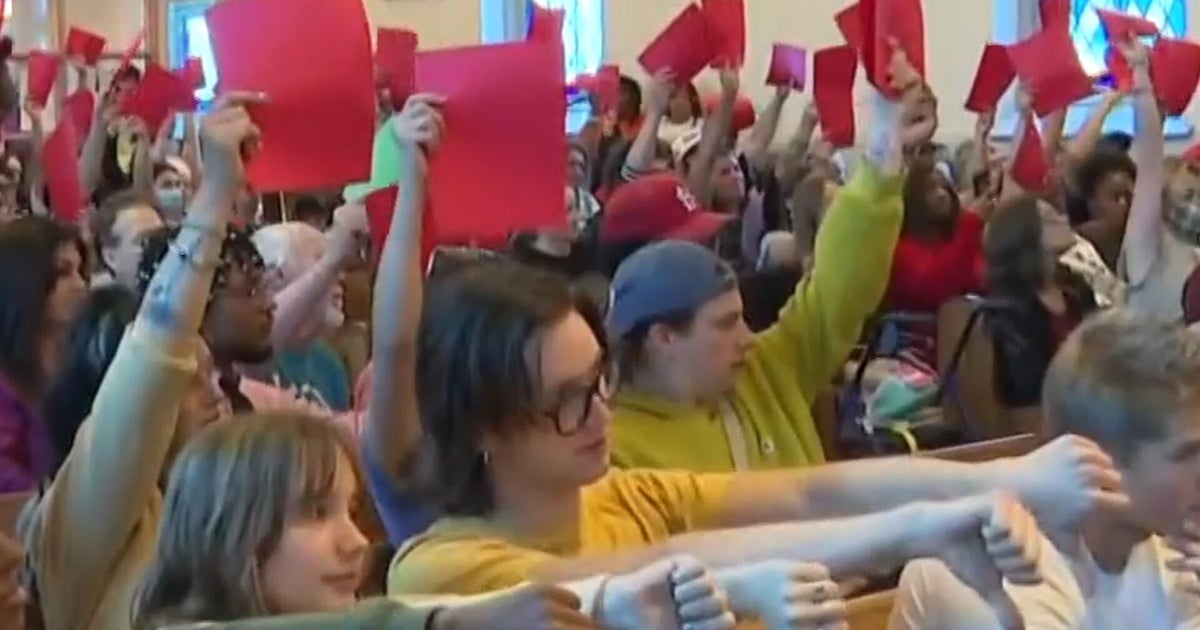
Protests and community meetings became more frequent, with opposition uniting voters from across the political spectrum. The debate grew sharper as midterm elections neared, with some Democrats and Republicans both criticizing Big Tech and questioning the wisdom of further expansion.
Where it stands
As of early September 2026, the backlash against AI data centers is one of the most contentious issues in American politics. Polls consistently show a strong majority of voters opposed to new developments, and both parties are scrambling to adjust their positions.
Trump continues to champion data centers, but his stance is now a liability for some Republican candidates. Democrats and Republicans alike are calling for more regulation or outright bans, and the issue is shaping campaign platforms nationwide. Industry groups are spending heavily on advertising, but public anger shows little sign of fading.
What to watch
The midterm elections will be a key test of how much the data center backlash influences voter turnout and candidate success. Watch for further state and local bans, shifts in party messaging, and whether industry ad campaigns can change public opinion. The outcome could set the tone for US tech and environmental policy for years to come.
More in Politics
All →
One Dead, Six Injured Including Police in Minneapolis Downtown Shooting
A shooting at a downtown Minneapolis apartment building left one person dead and six injured, including two police officers, prompting an ongoing investigation and heightened security in the area.
8 sources · today
Jury in Lindsay Clancy Triple-Murder Trial Deadlocked Over Mental Health Defense
After days of deliberations, jurors remain unable to reach a verdict on whether Lindsay Clancy is criminally responsible for killing her three children, highlighting deep divisions over mental illness and justice.
39 sources · over 19 days
Trump Says He's 'Happy' About Harry and Meghan Leaving the US
Former President Donald Trump publicly welcomed Prince Harry and Meghan Markle's departure from the United States, reigniting debate over the couple's relationship with the UK and the US.
10 sources · today