
Jury in Lindsay Clancy Triple-Murder Trial Deadlocked Over Mental Health Defense
After days of deliberations, jurors remain unable to reach a verdict on whether Lindsay Clancy is criminally responsible for killing her three children, highlighting deep divisions over mental illness and justice.
By Hushread Stories, from 39 outlets · First published 2 Sept 2026
In brief
- The jury in Lindsay Clancy's trial remains deadlocked after nearly five days of deliberation on her mental health defense.
- Clancy, a 36-year-old nurse, is charged with murdering her three children in January 2023 amid claims of postpartum psychosis.
- The judge has instructed the jury to continue deliberating but has not yet declared a mistrial despite their inability to agree.
- The case has sparked national debate on maternal mental health and its implications for legal responsibility in severe crimes.
- If no verdict is reached soon, a mistrial may be declared, potentially leading to a retrial and influencing future mental health defenses.
Timeline · 7 moments
Jury still unable to reach unanimous decision
BBC World ↗Judge gives 'Dynamite Charge' to deadlocked jury
New York Post ↗Judge tells jury to continue after deadlock
BBC News - World News ↗Jurors report deadlock after 18 hours of deliberations
The New York Times ↗Jury sent home after day without verdict
ABC News ↗Defense attorney expresses nervousness as deliberations continue
NBC News ↗Lindsay Clancy's trial begins, jury starts deliberations
Expressen ↗How it started
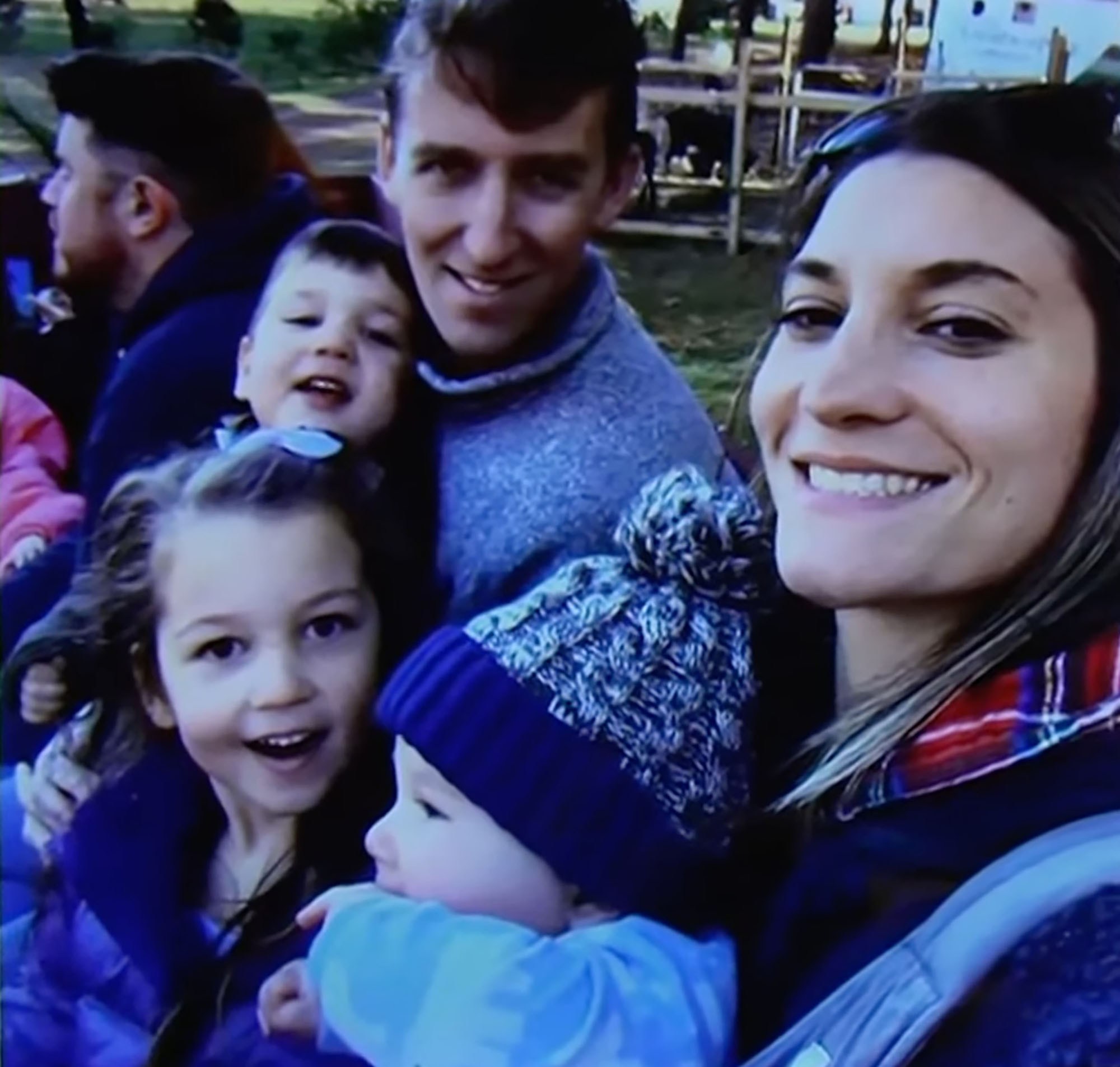
Lindsay Clancy, a 36-year-old nurse from Massachusetts, was charged with murdering her three young children in their home in January 2023. From the start, her legal team argued that she was suffering from severe postpartum psychosis at the time of the killings, citing her documented mental health struggles and multiple requests for help.
According to NBC News, Clancy had sought psychiatric support before the tragedy and was prescribed several medications, but her condition did not improve. The case quickly drew national attention, both for its harrowing details and for the broader questions it raised about maternal mental health and legal responsibility.
How it unfolded
As the trial began in August 2026, testimonies revealed Clancy's ongoing mental distress and her attempts to get help. The defense maintained she was not criminally responsible due to her psychosis, while prosecutors challenged this, questioning whether her mental illness excused her actions.
On August 29, Expressen reported that the jury was beginning deliberations. Over the next several days, the case became a focus of public debate, with supporters of Clancy highlighting postpartum psychosis and critics, including commentator Matt Walsh, questioning the use of mental health defenses in such severe crimes, as noted by the Times of India News.
By August 31, coverage from the Daily Mail and NBC News showed the trial stretching into its third day of deliberations, with the defense attorney expressing nervousness and frustration. The jury's struggle to reach a consensus continued into September, with The New York Times and BBC News reporting that jurors were deadlocked after about 18 hours of debate. The judge instructed them to keep trying.
On September 2, after nearly five days and two separate notes from the jury stating they could not agree, the judge delivered a so-called "Tuey-Rodriguez" or "Dynamite" charge, urging the jurors to give deliberations one last effort, as reported by the New York Post and NBC News.
Where it stands
As of September 2, the jury remains deadlocked. Despite repeated instructions from the judge to keep deliberating, they have not been able to reach a unanimous verdict on Clancy's criminal responsibility.
The case has become a flashpoint for discussions about the role of postpartum psychosis in the justice system. The judge has not yet declared a mistrial, but that remains a possibility if the jury continues to be unable to agree.
What to watch
If the jury cannot come to a verdict soon, the judge may declare a mistrial, which could lead to a retrial. The outcome will likely influence future cases involving mental health defenses and shape ongoing debates about how courts handle severe psychiatric illness in criminal cases.
More in Politics
All →
Trump Backs Ramaswamy Ad as Ohio Governor Calls for Its Removal
An attack ad featuring Amy Acton's estranged mother has split Republicans, with President Donald Trump defending it as Ohio Gov. Mike DeWine urges its removal before November's election.
36 sources · over 5 days
Milei's Madrid Visit Sparks Sánchez Clash as Argentine Opposition Seeks Unity
Javier Milei's attacks on Pedro Sánchez turned his Madrid visit into a political confrontation, while Argentina's opposition moved toward a common congressional strategy ahead of the 2027 elections.
13 sources · over 6 days
Lula and Flávio Bolsonaro Take Brazil's Election Fight From Debate to Court
Days before Brazil's October 25 runoff, the rivals are seeking each other's disqualification after a bitter televised debate, while polls show a closely contested race.
37 sources · over 8 days