Algeria Wildfires Kill Dozens as President Seeks Death Penalty for Arsonists
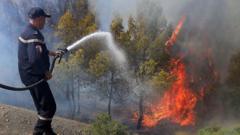
Severe wildfires in northeastern Algeria have killed at least 12 people, destroyed entire communities, and prompted President Abdelmadjid Tebboune to push for the death penalty for those found guilty of arson.
By Luca Moretti · First published 26 Aug 2026
In brief
- Severe wildfires in northeastern Algeria have killed at least 12 people and injured over 50 since late August 2026.
- President Abdelmadjid Tebboune is pushing for the death penalty for those convicted of intentionally starting wildfires.
- More than 150 wildfires erupted in one day, leading to mass evacuations and widespread destruction of homes and farmland.
- As of September 1, efforts to control remaining fires continue, with concerns that the death toll may rise.
- Authorities face challenges in prosecuting suspected arsonists while addressing the long-term impacts of climate change on wildfire risks.
Timeline · 6 moments
At least 12 dead as wildfires sweep northeastern Algeria
Proto Thema ↗Wildfires kill 12 in Algeria amid severe heatwave
BBC News - World News ↗12 dead in Algeria wildfires, national mourning declared
Franceinfo ↗At least 69 dead in Béjaïa wildfires, death toll disputed
TGcom24 ↗Algerian president seeks death penalty for arsonists
BBC News - World News ↗Death penalty sought for arsonists after deadly forest fires
Al Jazeera ↗How the wildfires began
In late August 2026, a wave of wildfires broke out across northeastern Algeria. The fires were fueled by an intense heatwave and ongoing drought conditions, making the region particularly vulnerable.
According to reports from Anadolu Ajansı and Al Jazeera, the fires erupted in several provinces, including Béjaïa, Jijel, and Tizi-Ouzou. Local authorities and residents faced rapidly spreading flames that threatened homes, farmland, and forests.
Early statements from officials and media suggested that some of these fires were deliberately set, raising suspicions of arson. This led to the first arrests of suspected arsonists as the disaster unfolded.
How the crisis escalated
By August 26, 2026, at least 12 people had died and dozens were injured as fires swept through the eastern part of the country, forcing mass evacuations (Proto Thema, in.gr). Authorities confirmed that some fires were caused by arson, and several suspects were detained for questioning.
The situation quickly worsened. The BBC and Al Jazeera reported that over 150 wildfires had broken out in one day, devastating entire villages and forcing thousands to flee. Emergency services struggled to contain the blazes as they spread to populated areas. The Interior Minister confirmed ongoing efforts to fight 37 separate fires at one point (Anadolu Ajansı, BirGün).
By August 27, the death toll had risen to at least 12, with more than 50 injured, according to DIE ZEIT and NDTV News. The fires destroyed homes, farmland, and infrastructure. Local officials declared a three-day period of national mourning as the true scale of the damage became clear (Franceinfo).
Some outlets, such as TGcom24, reported higher casualty figures, with at least 69 deaths in Béjaïa alone. However, most sources consistently cited a death toll of 12, while acknowledging that the number could rise as recovery efforts continued.
Algeria's response and the current situation
President Abdelmadjid Tebboune responded by directing changes to the criminal code to introduce the death penalty for anyone convicted of intentionally starting wildfires. Several sources, including BBC News and Al Jazeera, noted that Algeria has had a moratorium on executions since 1993, but Tebboune now seeks to reinstate capital punishment for arsonists.
As of September 1, efforts to control the remaining active fires continue. Survivors in affected regions report widespread destruction and total loss of property. The official death toll remains at least 12, with dozens more injured, but local sources warn the real number of victims could be higher.
What comes next
The main questions are whether Algeria will move forward with reinstating the death penalty for arson and how authorities will prosecute those suspected of starting the fires. There is also concern that the death toll may rise as search and recovery operations continue. The effectiveness of new legal measures in deterring future arson remains to be seen, especially as climate change increases the risk of devastating wildfires each year.
More in Environment
All →
Super El Niño of 2026 Drives Record Ocean Heat and Extreme Weather
The 2026 Super El Niño is rapidly intensifying, pushing ocean temperatures to unprecedented highs and fueling fears of severe weather worldwide, with scientists linking its strength to human-driven climate change.
46 sources · over 16 days
UK Experiences Its Hottest Summer Ever Recorded in 2026, Met Office Confirms
The UK has officially recorded its hottest summer since records began in 1884, with heatwaves, droughts, and climate change driving unprecedented temperatures for the second year in a row.
10 sources · over 2 days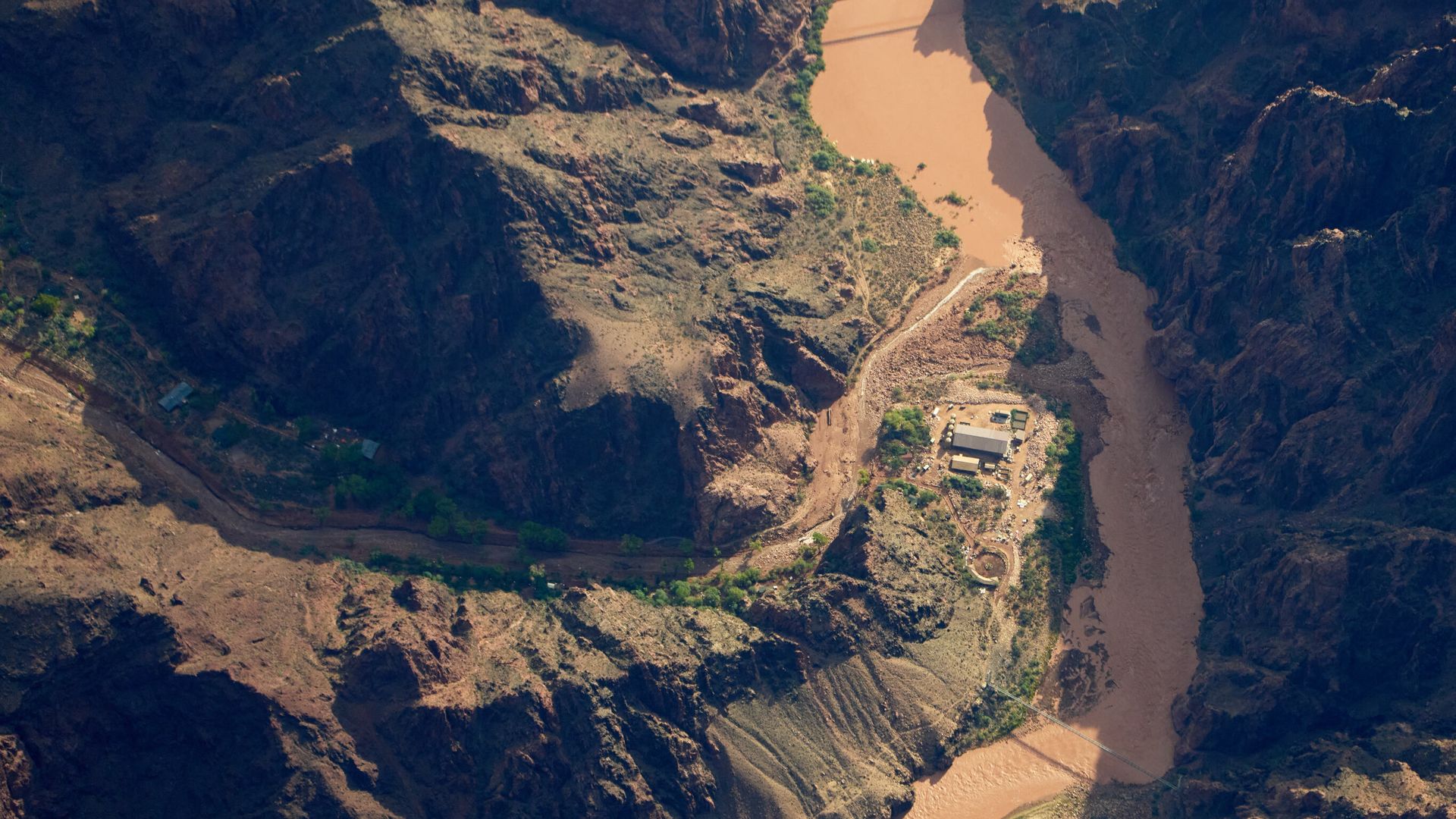
Two Dead, Dozens Rescued After Flash Floods Hit Grand Canyon Trails
Flash floods swept through Grand Canyon National Park over the weekend, killing two people, leaving one missing, and prompting the helicopter rescue of more than 80 hikers as search efforts continue amid new storm threats.
57 sources · over 4 days