
UK and France Both Record Hottest Summers Ever in 2026, Officials Confirm
The UK and France have each officially recorded their hottest summers since records began, with the UK Met Office and French authorities confirming unprecedented temperatures and widespread drought conditions in 2026.
By Hushread Stories, written with AI from 13 outlets · First published 31 Aug 2026
In brief
- The UK officially recorded its hottest summer ever in 2026, breaking records set in 1976 and 2025.
- Met Office provisional data shows extreme heat was driven by climate change and persistent heatwaves.
- Drought conditions and wildfire risks remain widespread in England and Wales due to sustained high temperatures.
- All five of the UK's warmest summers have occurred since 2003, reflecting a clear warming trend.
- Further high temperatures are expected soon, with final Met Office climate data due later this year.

Timeline · 7 moments
UK temperatures set to peak again after wet weekend
The Independent ↗France confirms its hottest summer ever recorded
© Christophe Ena, AP ↗A series of heatwaves leads Britain to record its hottest summer
The Independent ↗The UK just had its hottest summer ever
New Scientist ↗Summer was hotter than 1976, Met Office confirms
The Telegraph ↗Summer 2026 was UK's hottest on record, Met Office says
Sky News ↗Summer 2026 expected to be declared UK's hottest
BBC News - Science & Environment Science ↗Update 3 Sept 2026, 10:37 pm UTC
France has also confirmed its hottest summer on record in 2026, with average temperatures far above normal and severe impacts across Europe. The UK is set for another heatwave after a wet weekend, as high temperatures continue to affect much of Western Europe.
How it started
The summer of 2026 began with meteorologists warning of unusually high temperatures. The Met Office and other agencies noted early signs of repeated heatwaves and lower-than-average rainfall. By late August, the BBC reported that the UK was on track to break its all-time summer temperature record, a mark that had stood since 1976. Scientists pointed to human-induced climate change as a key factor, with extreme heat events becoming more frequent and intense.
As the season progressed, drought conditions spread across the country. Many areas, especially in England and Wales, saw rivers running low and reservoirs drying out. The combination of persistent heat and scant rainfall led to concerns about water supplies and heightened the risk of wildfires.
How it unfolded
On August 31, 2026, the BBC reported that the summer was expected to be declared the UK's hottest on record, citing provisional data from the Met Office. The next day, Sky News confirmed that the Met Office had officially declared summer 2026 as the hottest since records began in 1884.
News outlets including The Telegraph and The Guardian highlighted that the new record surpassed the famous summer of 1976. The Met Office attributed the extreme temperatures to the effects of climate change, with The Guardian reporting that the hot summer was made 130 times more likely by the climate crisis.
AFP and other agencies noted that this was the second consecutive year the UK had broken its summer heat record, following a similar event in 2025. The Independent and Euronews detailed the consequences: widespread drought, minimal rainfall, and a spike in wildfires, especially in southern England and Wales.
By early September, the Financial Times pointed out that all of the UK's top five warmest summers have occurred since 2003, reinforcing the trend of rising temperatures. The New Scientist and other science outlets confirmed the season's provisional entry into the record books, while the Met Office continued to monitor the situation.
Where it stands
The UK has now experienced its hottest summer on record, with 2026 surpassing the previous year's record and the long-standing 1976 benchmark. Data from the Met Office is still provisional but widely accepted by major news outlets and climate scientists. The impacts of the record heat are being felt across the country, from ongoing drought conditions to heightened risks of wildfires and water shortages.
Researchers have linked the extreme weather directly to human-caused climate change, warning that such summers could become even more common if global emissions are not reduced.
What to watch
Scientists and officials are closely monitoring how the UK adapts to recurring extreme heat. The Met Office is expected to release final, validated climate data later this year. Attention is also on how government agencies and local authorities respond to the continuing drought and the risk of future heatwaves, as well as any new policy measures aimed at climate resilience.
More in Environment
All →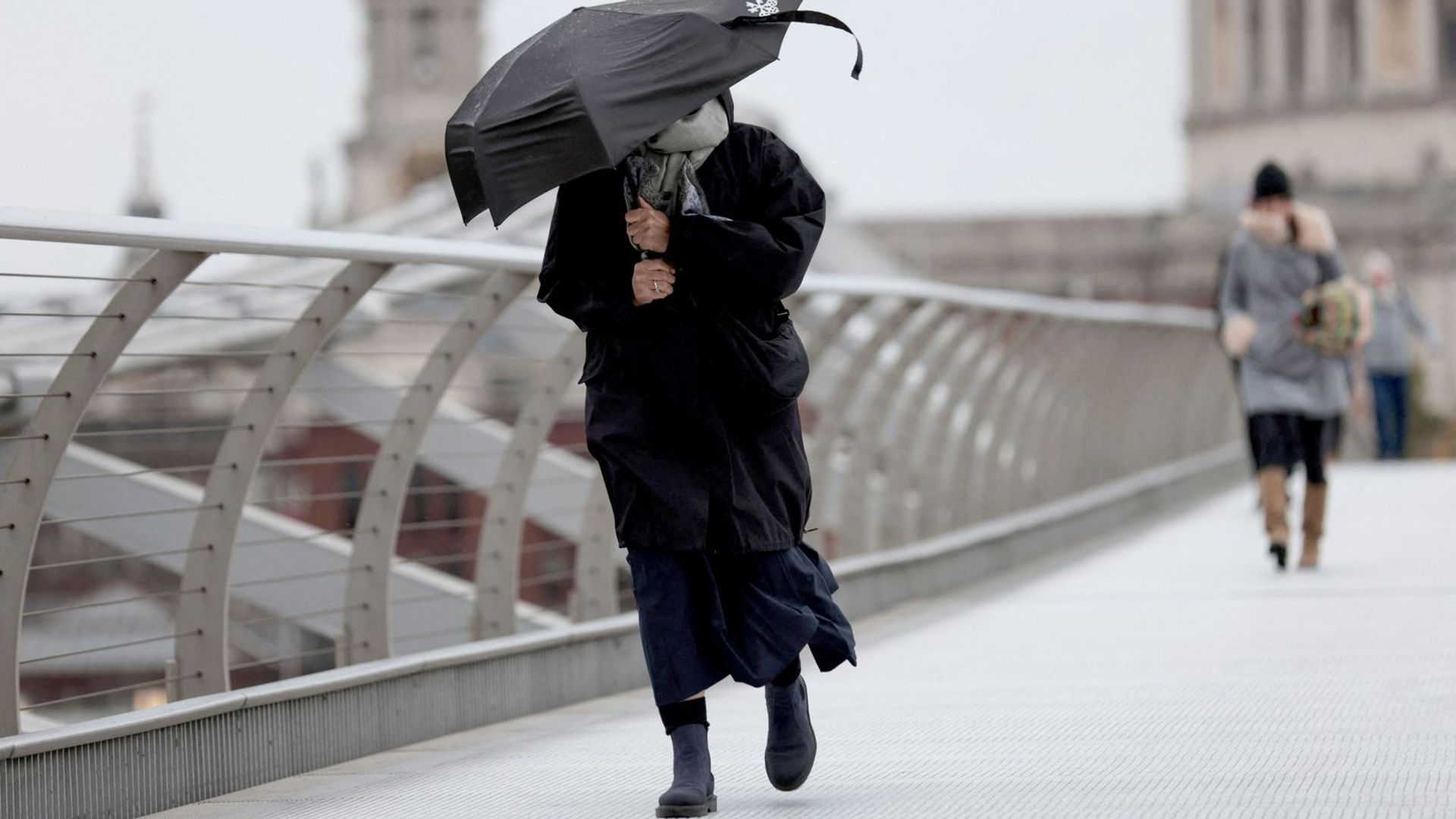
Storm Austen brings wind and flood warnings to UK and Ireland
Warnings have intensified ahead of Storm Austen, with gusts of up to 80mph forecast in southwest England and intense rain in Ireland before another storm arrives this weekend.
11 sources · over 4 days
UK government approves drilling at Jackdaw gas field in North Sea
The decision ends months of uncertainty over the project off Scotland, reopening a dispute over gas extraction, household energy bills and the government's climate commitments.
21 sources · over 2 days
Magnitude 7 Earthquake Strikes Northern Tibet, With Damage Still Unclear
A magnitude 7 earthquake struck northern Tibet on October 22, with no immediate reports of casualties or damage and its epicentre recorded at a depth of about 10 kilometres.
11 sources · today