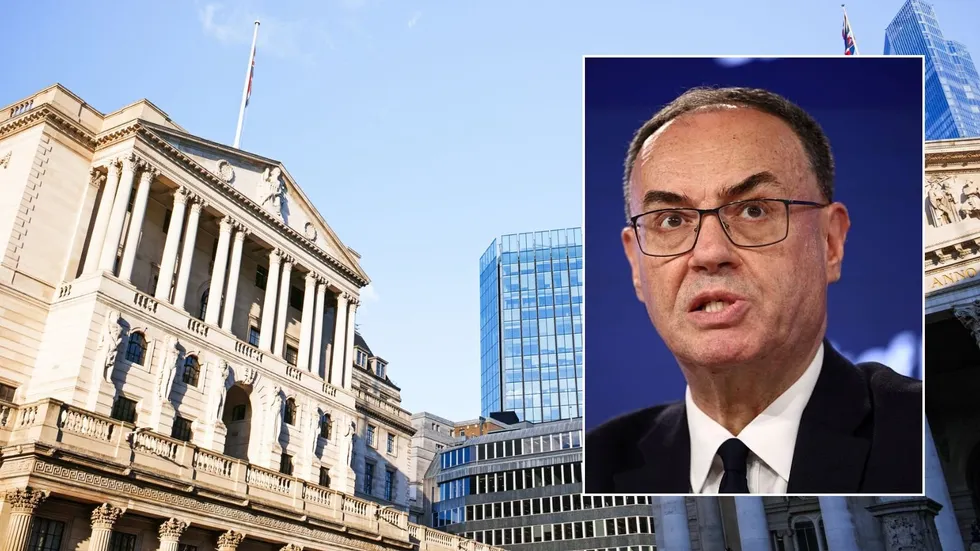
Bank of England Keeps Interest Rate at 3.75 Percent Amid Inflation Spike
The Bank of England decided to hold its base interest rate steady despite rising inflation, citing concerns over energy prices and global conflict, with warnings of possible future hikes.
By Grace Whitfield · First published 17 Sept 2026
In brief
- The Bank of England has kept its policy rate at 3.75 percent after a closely watched meeting.
- Rising energy prices have pushed UK inflation to its highest level in five months.
- The central bank's Monetary Policy Committee voted six to three in favor of holding rates steady.
- Officials warned that ongoing conflict in the Middle East could force future increases in borrowing costs.
- Analysts and markets are preparing for possible rate rises if inflation continues to worsen in coming months.
Timeline · 4 moments
Bank of England keeps rates at 3.75 percent
Home | GB News ↗Bank signals possible future rate rises
Financial Times World ↗Six to three vote splits committee on rate hold
Euronews ↗Officials warn war may push rates higher
Latest news, sport and opinion from the Guardian ↗How it started
This decision comes after months of heightened economic uncertainty in the UK. Inflation began rising again over the summer, driven mainly by sharp increases in energy prices. Global events, particularly escalating conflict in the Middle East, have added pressure to the cost of living and raised fears about further economic instability.
As inflation climbed, there was growing speculation about whether the Bank of England would respond with another interest rate hike. Many economists and market watchers anticipated a tough call for the central bank given the competing priorities of curbing inflation and supporting a fragile recovery.
How it unfolded
On September 17, 2026, the Bank of England's Monetary Policy Committee met to decide on the policy rate. According to GB News, the central bank announced it would maintain the base rate at 3.75 percent, despite the recent spike in inflation and concerns about rising energy costs.
The Financial Times reported that the Bank signaled rates could rise in the future and also announced changes to how it reduces its balance sheet. The committee's vote was split, with six members supporting a hold and three favoring an increase, as Euronews detailed.
The Guardian noted that officials specifically cited the ongoing war in the Middle East as a key risk that could push inflation even higher and force further rate hikes. Analysts highlighted that this decision contrasted with moves by some other major central banks, which have raised rates in response to similar pressures.
The New York Times described how investors and financial markets reacted quickly to the announcement, as the central bank's warnings about inflation pressures signaled possible upcoming shifts in policy.
Where it stands
The Bank of England's base rate remains at 3.75 percent, with officials closely watching inflation data and global developments. The committee has made clear that future rate increases are possible if inflation does not ease or if external shocks worsen.
For now, the central bank is focused on balancing the need to control inflation against the risk of stalling economic growth, while households and businesses brace for possible changes in borrowing costs in the months ahead.
What to watch
Markets will be monitoring upcoming inflation figures and any shifts in global energy prices, as these could trigger another rate hike. The central bank's next meetings and statements will be closely scrutinized for signs of a change in policy direction, especially if conflict in the Middle East continues or worsens.
More in Business
All →
Warren Buffett Steps Down as Berkshire Hathaway Chairman, Son Howard Succeeds Him
Warren Buffett, aged 96, is stepping down as chairman of Berkshire Hathaway, ending an era at the $1 trillion conglomerate and marking a major leadership transition.
11 sources · today
Putin Orders Nestlé's Russian Assets Into State Control Amid Growing Tensions
Russian authorities have placed Nestlé's Russian operations under state management, escalating uncertainty for foreign companies as Nestlé considers possible legal and strategic responses to protect its interests.
8 sources · today
Japan's Inflation Slows as Bank of Japan Raises Interest Rates to 31-Year High
Japan's inflation rate slowed in August, prompting the central bank to hike interest rates to their highest level since 1995, signaling a shift in monetary policy.
14 sources · today