Belgium's Largest Wildfire Threatens Germany, Triggers Explosive Hazards
A historic wildfire in Belgium has scorched thousands of hectares, forced evacuations in German border towns, and exposed the hidden danger of unexploded World War ordnance detonating in the flames.
By Ethan Cole · First published 15 Aug 2026
In brief
- A historic wildfire in Belgium has burned nearly 30,000 acres, becoming the largest in modern Belgian history.
- Evacuations were ordered in German towns near the border as the fire approached within 300 meters of homes.
- Rain has helped contain the fire, but hotspots remain, and firefighters continue to monitor for reignition.
- Wildfires have triggered explosions from unexploded World War ordnance, complicating firefighting efforts and endangering responders.
- Authorities are assessing long-term risks of unexploded munitions and preparing for potential new wildfires due to climate conditions.
Timeline · 4 moments
German border towns evacuate as Belgian fire advances
DIE WELT ↗Fire in Belgium's nature reserve not spreading to Germany
nu.nl ↗Wildfires across Europe detonate forgotten World War bombs
The Independent ↗Explosions reported in Belgium and Germany amid wildfires
HVG ↗How it started
The wildfire began in Belgium's Hautes Fagnes (Hoge Venen) nature reserve in mid-August 2026, during a period of intense heat and drought across Europe. According to Phys.org and AFP, the fire quickly became the largest in modern Belgian history, fueled by dry vegetation and strong winds.
Local firefighters were soon overwhelmed and received support from neighboring countries. Farmers joined the effort with their tractors, and water-bombing aircraft were deployed. The proximity to the German border raised immediate concerns for cross-border spread, especially as the flames moved through hard-to-reach areas of the reserve.
How it unfolded
By August 16, the fire had grown rapidly, reaching 3,000 hectares and threatening to cross into Germany. The Times of India reported that firefighters from Belgium, Germany, and Luxembourg were working together, while Dutch helicopters helped contain the advancing blaze.
German authorities ordered evacuations in Monschau and nearby towns as the flames approached, coming within 300 meters of homes according to DIE WELT. The smoke was visible from miles away, and air quality deteriorated in the region. Several outlets, including Proto Thema and in.gr, confirmed that parts of Monschau were evacuated as a precaution.
On August 17, rain brought some relief, aiding firefighting efforts and helping to contain the fire's spread. Reuters and Franceinfo noted that while the rain slowed the flames, the fire continued to burn in parts of the reserve. By this point, the area burned had reached nearly 30,000 acres according to Greek and international reports, though most Belgian and German sources cited 3,000 hectares as the main figure.
Despite the improved weather, the situation remained dangerous. nu.nl reported that the fire was not spreading further toward Germany, but still smoldered and grew in other parts of the reserve. Meanwhile, strong winds and changing weather continued to challenge firefighters, according to DN.se.
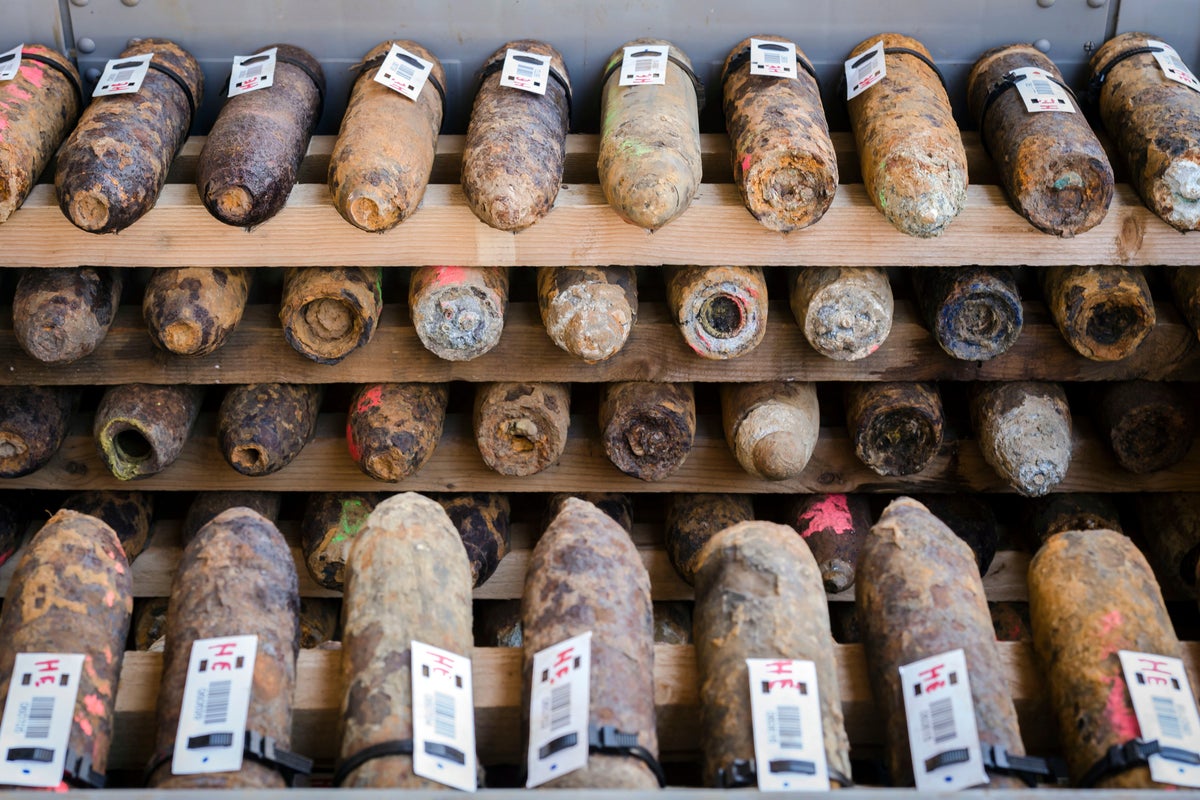
A serious new hazard emerged: wildfires detonated unexploded World War bombs and mines buried in forests and fields. The Independent reported on August 22 that emergency crews in Belgium, France, Germany, and the Netherlands faced these explosions as the heat triggered old ordnance, complicating firefighting and endangering responders.
Where it stands
As of late August, the wildfire in Belgium's Hautes Fagnes has been largely contained, though hotspots remain. Rain and cooler temperatures have helped, but firefighting teams are still monitoring the area for reignition, especially with the risk of smoldering debris and shifting winds.
The incident has exposed a critical secondary risk: wildfires in Europe now threaten not only habitats and property but also trigger explosions from leftover wartime munitions. This has raised alarms among officials and experts, as climate change increases the frequency and intensity of such fires across the continent.
What to watch
Authorities are now assessing the long-term risks posed by unexploded ordnance in fire-prone areas. There is growing pressure for European countries to map and clear old munitions as part of wildfire prevention. Meanwhile, meteorologists and fire officials are bracing for further heatwaves and dry spells that could ignite new blazes before the end of summer.
More in Environment
All →
Super El Niño of 2026 Drives Record Ocean Heat and Extreme Weather
The 2026 Super El Niño is rapidly intensifying, pushing ocean temperatures to unprecedented highs and fueling fears of severe weather worldwide, with scientists linking its strength to human-driven climate change.
46 sources · over 16 days
UK Experiences Its Hottest Summer Ever Recorded in 2026, Met Office Confirms
The UK has officially recorded its hottest summer since records began in 1884, with heatwaves, droughts, and climate change driving unprecedented temperatures for the second year in a row.
10 sources · over 2 days
Two Dead, Dozens Rescued After Flash Floods Hit Grand Canyon Trails
Flash floods swept through Grand Canyon National Park over the weekend, killing two people, leaving one missing, and prompting the helicopter rescue of more than 80 hikers as search efforts continue amid new storm threats.
57 sources · over 4 days