Bill Gates Issues Stark Warning Over Catastrophic Risks of Artificial Intelligence
Bill Gates has warned that artificial intelligence could be powerful enough to cause a billion deaths, urging governments worldwide to impose strict safeguards as AI development accelerates.
By Jonas Weber · First published 25 Sept 2026
In brief
- Bill Gates has publicly stated that artificial intelligence could potentially drive events leading to a billion deaths if misused.
- He continues to urge governments to implement regulations, emphasizing that industry self-regulation is insufficient for AI safety.
- Recent interviews have highlighted Gates' concerns as AI capabilities advance rapidly and risks of misuse by malicious actors increase.
- Gates' warnings align with those of other tech leaders who have raised alarms about existential threats from advanced AI systems.
- Pressure is mounting on governments and international organizations to establish and enforce comprehensive frameworks for AI safety.

Timeline · 5 moments
Bill Gates warns AI could cause a billion deaths
NBC News ↗Outlets report Gates' dramatic shift in AI risk stance
Axios ↗Bloomberg covers Gates joining AI risk chorus
Bloomberg Technology ↗European and global media amplify Gates' call for regulation
The Next Web ↗German outlets highlight Gates' focus on bad actors
DIE WELT ↗Update 25 Sept 2026, 9:10 pm UTC
New interviews have directly quoted Bill Gates warning that AI could cause 'a billion deaths' if not properly regulated. Gates has reiterated his call for stronger government oversight of AI companies in recent media appearances.
How it started
Bill Gates has long been a prominent voice in technology, known for his optimism about innovation. In recent years, however, concerns about the risks of artificial intelligence have grown among leading tech figures, including Gates himself.
The conversation around AI safety intensified as the technology advanced. Gates previously highlighted the need for responsible development, but his latest comments mark his most dramatic warning yet.
How it unfolded
On September 24, 2026, Bill Gates appeared in an exclusive interview with NBC News. He stated that artificial intelligence is now 'powerful enough' to cause events that could result in a billion deaths, emphasizing the gravity of potential misuse.
In the days following the interview, multiple outlets reported on Gates' remarks. His warning was seen as a significant shift from his usual optimism, aligning him with other tech leaders who have become increasingly vocal about AI's existential dangers.
Gates specifically called for government safeguards and regulations, arguing that leaving oversight to tech companies alone is insufficient. He stressed that AI's power, if left unchecked or exploited by malicious actors, could have catastrophic consequences on a global scale.
International media picked up the story, noting Gates' references to risks such as mass unemployment and bioterrorism enabled by advanced AI. The debate about how to regulate and monitor AI technology has since gained even more urgency.
Where it stands
Gates' warning has put renewed focus on the risks of unchecked AI development. Policymakers, tech companies, and researchers are now facing increased calls to move beyond voluntary guidelines and establish enforceable international rules.
The sense of urgency around AI safety is growing, with Gates' comments adding significant weight to the global conversation. The next steps will likely involve discussions about concrete regulatory measures and how to coordinate efforts across countries.
What to watch
The key question now is how governments and international organizations will respond to Gates' warning. Will they introduce meaningful regulations, or will the debate remain largely theoretical as AI technology continues to evolve? The coming months may bring proposals for new laws and oversight mechanisms.
More in Technology
All →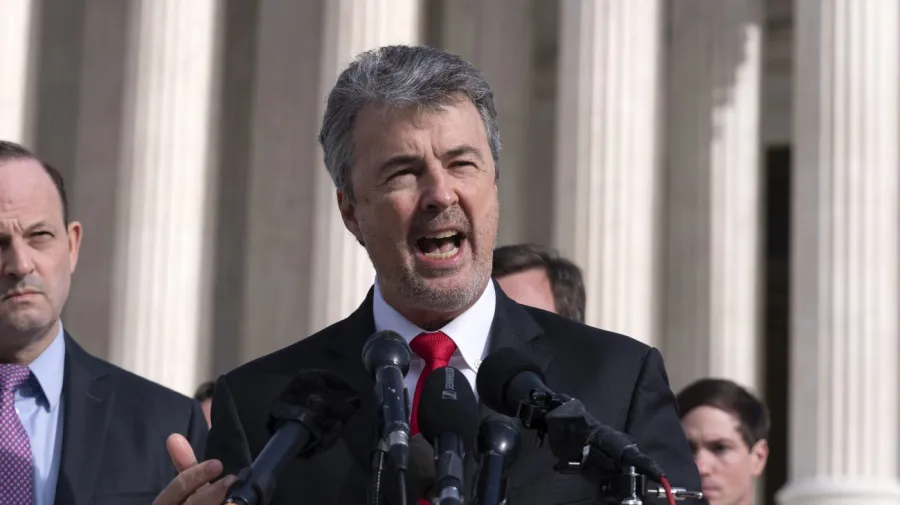
TikTok Settles First US Trial Over Teen Mental Health Claims in Alabama
TikTok has agreed to pay at least $100 million and introduce new safety measures after Alabama accused the platform of harming teen mental health, marking a major legal precedent.
20 sources · over 2 days
Oracle Cites Force Majeure for New Mexico Data Center, Shares Tumble
Oracle has invoked force majeure on its flagship New Mexico data center project, triggering a sharp stock drop and raising concerns about future AI infrastructure plans.
20 sources · over 2 days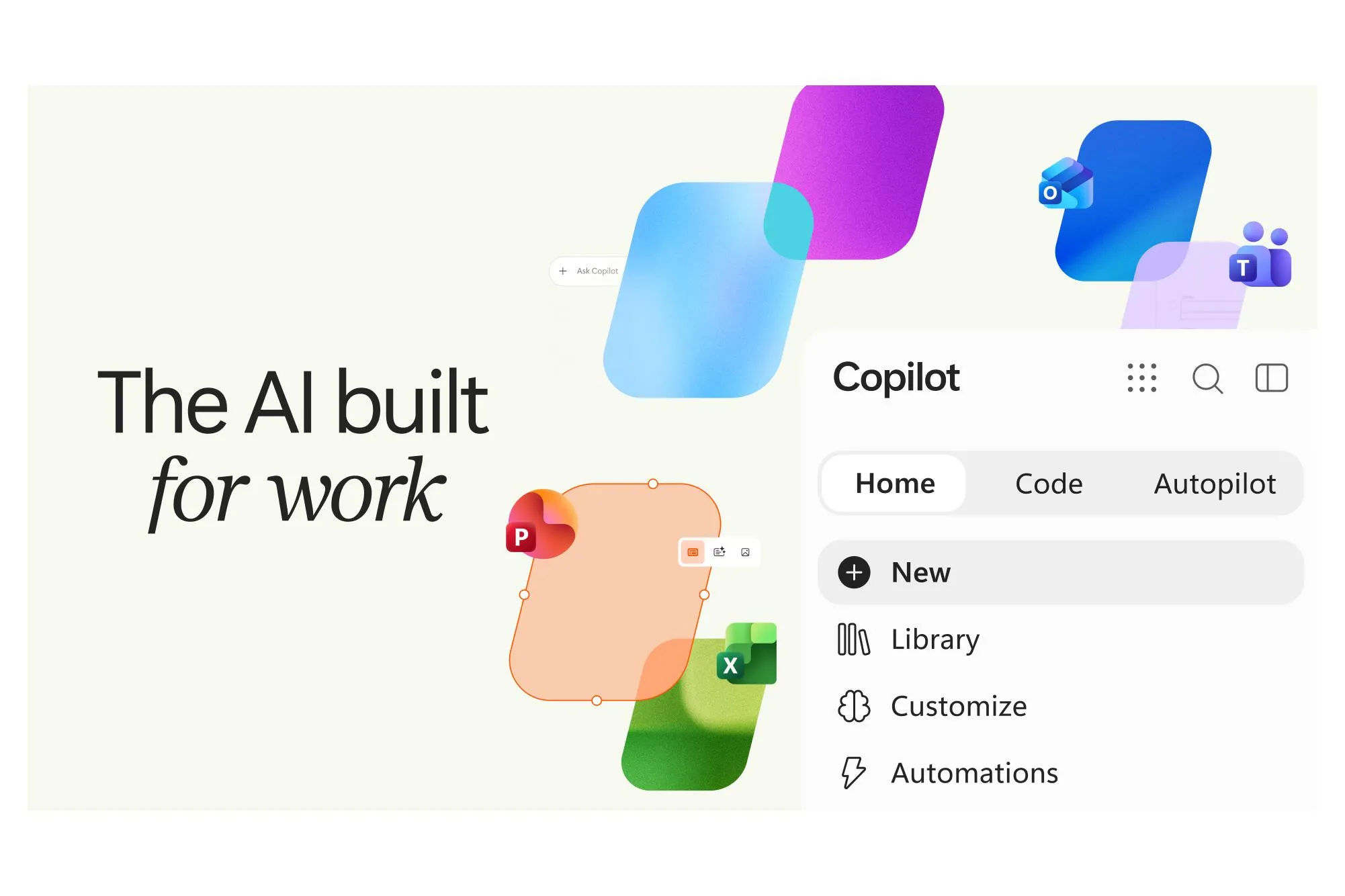
Microsoft Ends Copilot Personal Assistant and 'Copilot+ PC' Branding
Microsoft is discontinuing Copilot as a personal AI assistant and retiring the 'Copilot+ PC' label, shifting focus to business automation.
20 sources · over 2 days