TikTok Settles First US Trial Over Teen Mental Health Claims in Alabama
TikTok has agreed to pay at least $100 million and introduce new safety measures after Alabama accused the platform of harming teen mental health, marking a major legal precedent.
By Aisha Karimi · First published 26 Sept 2026
In brief
- Alabama filed a lawsuit claiming TikTok contributed to a mental health crisis and addiction among teenagers.
- The case was set to be the first US trial directly targeting TikTok over youth mental health harms.
- Just days before trial, TikTok and its parent company ByteDance agreed to settle with Alabama.
- The settlement includes a payment of at least $100 million and the implementation of new safety features for young users.
- TikTok will introduce daily time limits, overnight restrictions, and enhanced parental controls for users aged 13 to 17.
Timeline · 5 moments
Alabama files lawsuit against TikTok over teen mental health
CBS Top Stories ↗First US trial against TikTok set to begin in Alabama
CNN Brasil ↗TikTok agrees to settle with Alabama ahead of trial
World News CNA ↗Alabama announces TikTok will pay at least $100 million
The Hill ↗Settlement includes new safety and time limit measures for teens
Le Monde ↗How it started
Concerns about the impact of social media on teenagers have been growing for years, with parents, officials, and researchers warning of rising addiction and mental health issues. In Alabama, these worries led to a lawsuit against TikTok and its parent company, ByteDance. The state argued that the platform's features were addictive and put young users at risk, both by encouraging excessive use and by failing to protect them adequately.
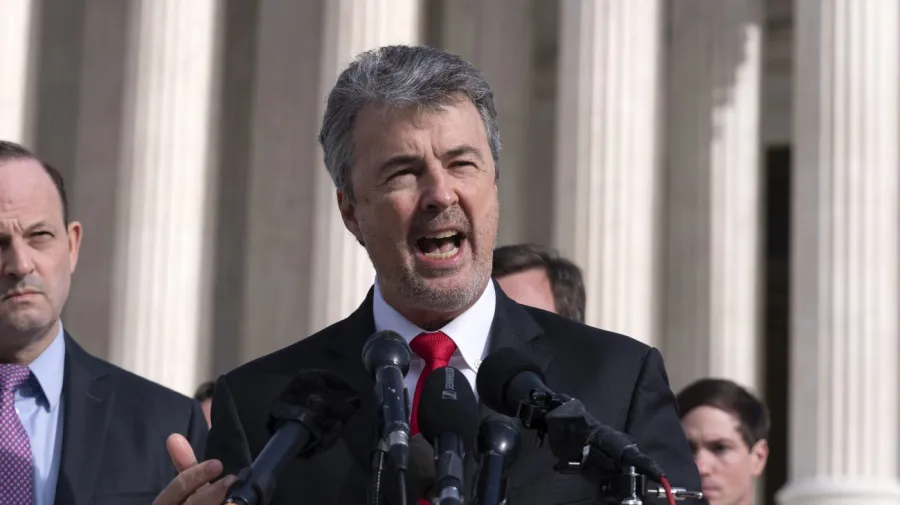
Alabama's attorney general filed the lawsuit in 2025, aiming to hold TikTok accountable for allegedly deceptive practices and unsafe design choices that could harm adolescents. This was the first time a US state brought TikTok to trial specifically over mental health claims linked to teen users.
How it unfolded
The trial was scheduled to begin in Alabama on September 25, 2026, drawing national attention as the first US courtroom test of these claims. Alabama's legal team prepared to argue that TikTok knowingly made its platform addictive for teenagers and misled the public about its safety.
As the trial date approached, reports emerged that TikTok was negotiating with Alabama to avoid a potentially lengthy and damaging court battle. On September 26, 2026, Alabama officials announced a settlement with TikTok and ByteDance. The agreement required TikTok to pay at least $100 million, with some reports saying the total could reach $300 million due to additional commitments.
Beyond the financial settlement, TikTok committed to major changes in its platform's design for young users. These included daily screen time limits set by default, restrictions on use between midnight and 6 a.m., and stronger age verification and parental control features. The settlement mirrored some terms that other social media companies, like Meta, had recently accepted in similar cases.
Where it stands
The lawsuit has been resolved through the settlement, avoiding a full trial. TikTok will pay Alabama at least $100 million and implement new safety measures for users aged 13 to 17 in the state. The case has set a significant precedent for how US states might approach social media platforms over youth mental health concerns in the future.
With the trial averted, attention now turns to how TikTok will enforce these new measures and whether other states will follow Alabama's example.
What to watch
Observers are waiting to see how strictly TikTok enforces the new time limits and parental controls, and whether these changes will be adopted nationwide. Other states and advocacy groups may use this outcome to push for similar settlements or regulations targeting youth safety on social media.
More in Technology
All →
Oracle Cites Force Majeure for New Mexico Data Center, Shares Tumble
Oracle has invoked force majeure on its flagship New Mexico data center project, triggering a sharp stock drop and raising concerns about future AI infrastructure plans.
20 sources · over 2 days
Bill Gates Issues Stark Warning Over Catastrophic Risks of Artificial Intelligence
Bill Gates has warned that artificial intelligence could be powerful enough to cause a billion deaths, urging governments worldwide to impose strict safeguards as AI development accelerates.
12 sources · over 2 days
Microsoft Ends Copilot Personal Assistant and 'Copilot+ PC' Branding
Microsoft is discontinuing Copilot as a personal AI assistant and retiring the 'Copilot+ PC' label, shifting focus to business automation.
20 sources · over 2 days