Canada and U.S. Trade War Escalates Into Currency and Tariff Showdown
Canada and the United States are locked in an escalating trade dispute, with new tariffs and currency tensions fueling economic and political strain between the two close neighbors.
By Priya Raghunathan · First published 8 Sept 2026
In brief
- The U.S. imposed tariffs of up to 50 percent on Canadian goods, prompting Canada to prepare equivalent counter-tariffs.
- President Trump criticized the Canadian dollar's value, calling it an unacceptable imbalance and threatening more aggressive trade measures.
- Canada announced retaliatory tariffs targeting hundreds of U.S. products, including cheese, honey, and aluminum foil.
- Trump threatened to block Canadian plane maker Bombardier from the U.S. market unless it manufactures planes in America.
- Polls show a majority of Canadians now view the U.S. as an adversary, a significant shift in public sentiment.

Timeline · 7 moments
Canada-U.S. trade war turns into public war of words
National Post ↗Poll shows majority of Canadians now see U.S. as enemy
National Post ↗Trump criticizes Canadian dollar's value, calls imbalance unacceptable
Bloomberg ↗Canada announces retaliatory tariffs of up to 50 percent
NYT World News ↗Trump threatens to block Bombardier jet sales in U.S.
Al Jazeera ↗Canadian tariffs set to take effect at midnight
CBS Top Stories ↗Canada's tariffs target U.S. cheese, honey, and aluminum foil
Business Insider ↗How it started
Tensions between Canada and the United States began to rise after the U.S. imposed steep tariffs on a wide range of Canadian products. The move was part of President Trump's broader effort to pressure trading partners for what he claims are more favorable terms for the U.S. economy.
Canada, historically one of America's closest allies and largest trading partners, saw the tariffs as a major provocation. The Canadian government immediately signaled that it would not back down and started preparing its own set of counter-tariffs in response to the U.S. measures.
How it unfolded
On August 25, President Trump announced tariffs of up to 50 percent on $27.6 billion worth of Canadian exports. In the following days, Canadian officials confirmed plans to retaliate with their own tariffs, also ranging from 15 to 50 percent, covering a broad array of American goods.
By early September, the rhetoric intensified. On September 6, Trump publicly criticized the Canadian dollar's value and described the currency imbalance as unacceptable, suggesting that the U.S. would no longer tolerate the situation. He made these remarks just days before Canada's counter-tariffs were set to take effect.
Public opinion in Canada shifted rapidly, with new polling showing a majority of Canadians now view the U.S. as an enemy, a dramatic change from the long-standing friendship between the two countries. Meanwhile, the trade dispute began to impact business decisions, with companies like Sapporo beer moving production to the U.S. to avoid tariffs.
On September 7, Trump escalated the confrontation further by threatening to block sales of Canadian plane maker Bombardier's jets in the U.S. unless the company relocated production to American soil. He also criticized Bombardier's product quality and urged a boycott of their jets, putting additional pressure on one of Canada's largest manufacturers.
As the deadline for Canada's counter-tariffs approached, both governments signaled willingness to keep negotiating but neither side backed down. The Canadian tariffs were set to take effect at midnight on September 8, impacting hundreds of U.S. products and raising the stakes in the ongoing trade war.
Where it stands
Canada's retaliatory tariffs against the U.S. are now in force, matching the American tariffs in both scope and severity. The dispute has spilled over from trade policy into currency and industrial policy, with high-profile threats against major companies like Bombardier.
Political relations between the two countries are at a low point, with public sentiment in Canada hardening against the U.S. and both governments preparing for further escalation if negotiations fail. The economic impact is beginning to be felt in industries and among consumers on both sides of the border.
What to watch
The immediate question is whether either side will de-escalate or double down. Further retaliation, new tariffs, or restrictions on key industries like aviation could follow. The outcome of ongoing negotiations will determine how long this trade conflict continues and how deeply it affects North American economies.
More in Politics
All →
King Charles Confirms Harry and Meghan Will Not Return as Working Royals
King Charles has formally announced that Prince Harry and Meghan Markle will remain private citizens, ending speculation about any official royal duties following their return to the UK.
19 sources · today
EU Commits Major Investment to Greenland After Trump Renews Annexation Claims
The European Union has pledged over $230 million to Greenland and signed a new partnership deal, responding to renewed US territorial claims and signaling a shift in Arctic policy.
21 sources · over 2 days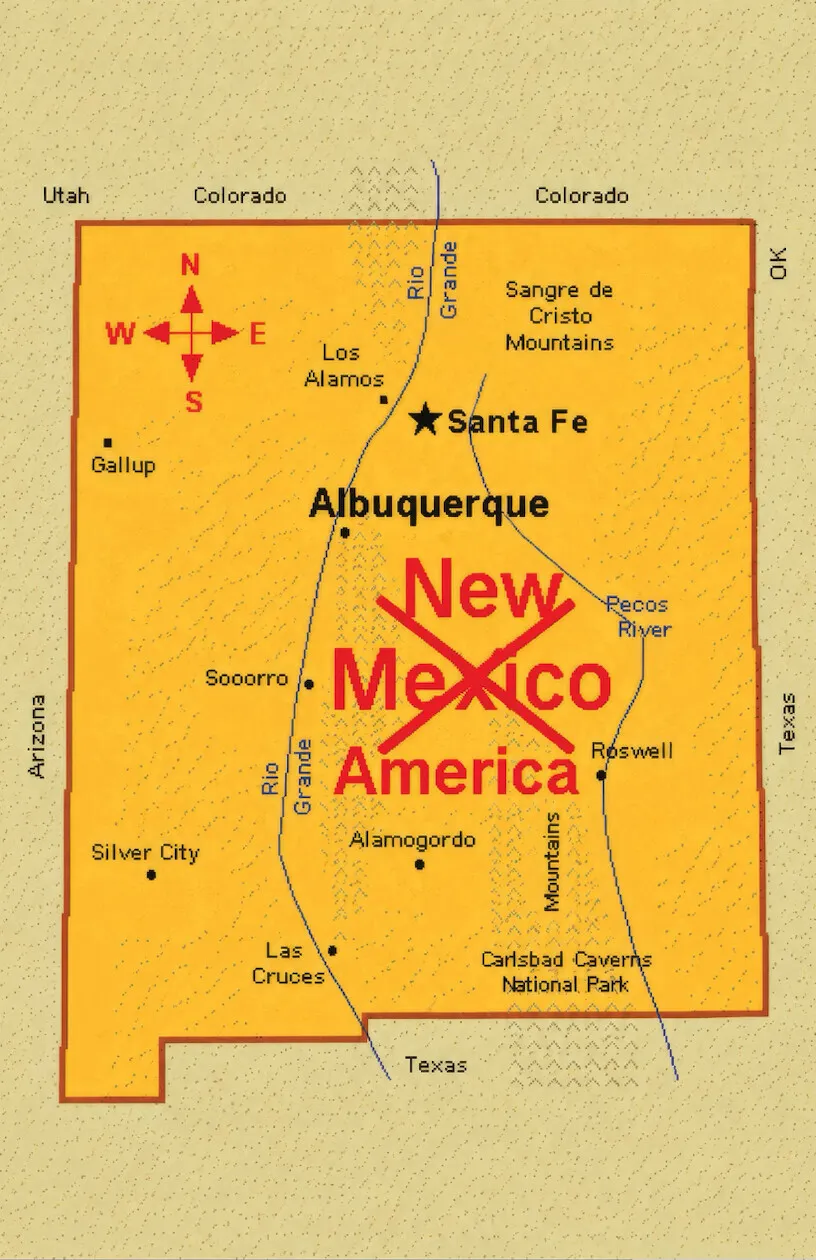
Trump Suggests Renaming New Mexico to 'New America,' Prompting Swift Political Backlash
President Trump's recent proposal to rename New Mexico as 'New America' has sparked immediate criticism from state officials and widespread debate on the significance of place names in US politics.
16 sources · over 2 days