
EU Commits Major Investment to Greenland After Trump Renews Annexation Claims
The European Union has pledged over $230 million to Greenland and signed a new partnership deal, responding to renewed US territorial claims and signaling a shift in Arctic policy.
By Hushread Stories, written with AI from 21 outlets · First published 7 Sept 2026
In brief
- European Commission President Ursula von der Leyen visited Greenland to demonstrate EU support amid renewed US annexation threats.
- The EU announced a €200 million investment package focused on digital infrastructure, clean energy, and critical minerals in Greenland.
- The initiative is intended to counter US efforts to assert control over Greenland, following President Trump's repeated annexation claims.
- Greenland's leadership welcomed the EU investment and commitment to their autonomy and development.
- The EU is strengthening its Arctic policy as global competition for influence in the region increases.
Timeline · 6 moments
Hundreds of European troops present during EU visit
Telegraaf ↗New EU-Greenland partnership deal signed in Nuuk
South China Morning Post ↗EU unveils $232 million investment package for Greenland
ABC News ↗Von der Leyen and Greenlandic leaders meet in Qoornoq
TIME.com ↗EU chief signals massive investment surge for Greenland
Euronews ↗Von der Leyen arrives in Greenland for high-stakes visit
elEconomista.es ↗Update 7 Sept 2026, 5:25 pm UTC
The EU's €200 million investment package in Greenland is now explicitly framed as a response to renewed annexation threats from Donald Trump. Ursula von der Leyen's visit to Greenland served as a show of support for Greenland's territorial integrity and closer EU-Greenland cooperation, with emphasis on countering US pressure.
How it started
Interest in Greenland has grown over recent years, largely due to its strategic location and wealth of natural resources. In the past, US President Donald Trump made headlines by expressing interest in acquiring Greenland, a move that was met with resistance from both Greenlandic and Danish officials.
In 2026, Trump renewed his claims over Greenland, citing national security and the island's mineral riches. These statements prompted concern in Europe and led the European Union to reassess its engagement with Greenland, a part of the Kingdom of Denmark but largely self-governing.
Amid these tensions, the EU decided to act more visibly to support Greenland and counter perceived US ambitions.
How it unfolded
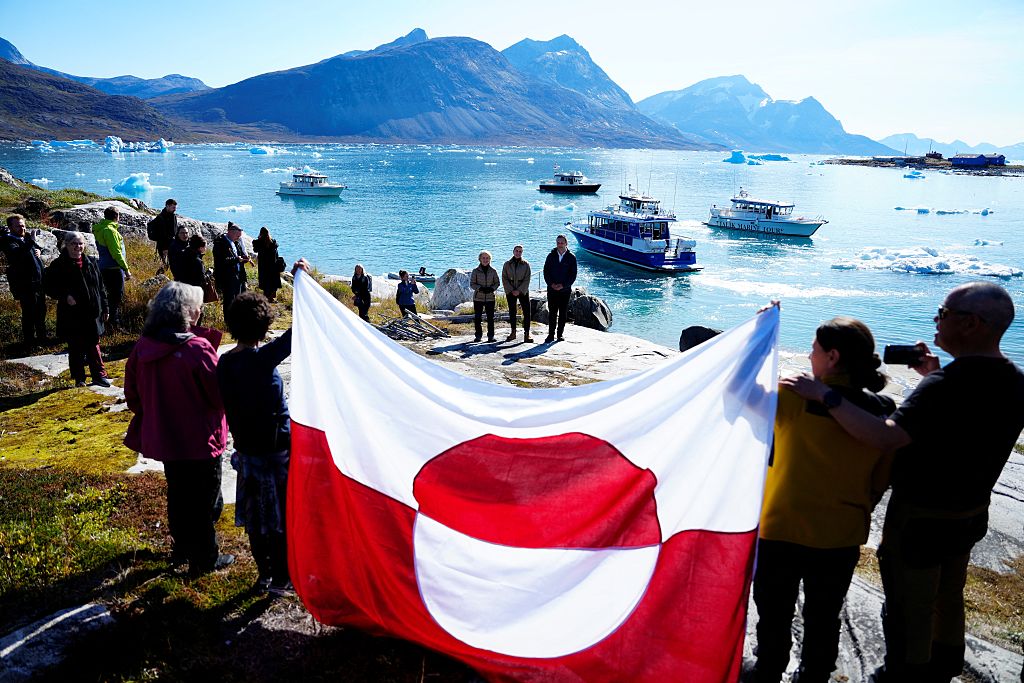
On September 6, 2026, Ursula von der Leyen, President of the European Commission, arrived in Nuuk, Greenland's capital, for a two-day official visit. Her trip was designed as a clear show of support for Greenland after Trump's renewed annexation rhetoric.
Von der Leyen announced that the EU would significantly increase its investment in Greenland, focusing on sectors like critical minerals, satellite communications, and renewable energy. The investment package was valued at about $232 million, or 200 million euros, and included plans to strengthen political ties.
During the visit, von der Leyen met with Greenland's Prime Minister Jens-Frederik Nielsen and Danish Prime Minister Mette Frederiksen. She emphasized the EU's close relationship with Greenland and described the partnership as being "family".
European officials also signed a new partnership deal with Greenland, covering energy, critical materials, and territorial connectivity. As part of the show of support, hundreds of European troops were reportedly present in Nuuk.
The visit took place as the EU was reviewing its broader Arctic policy, with experts warning of a "global power grab" in the region. The EU's actions were widely seen as a direct response to the US claims and a signal of Europe's intent to remain a key player in the Arctic.
Where it stands
The EU's new deal and investment package have been welcomed by Greenlandic leaders as a boost to development and autonomy. The financial support is expected to fund projects in energy, minerals, and infrastructure, strengthening Greenland's position in the Arctic.
Tensions between the EU and the US remain, with both sides seeking to expand their influence over Greenland and the wider Arctic region. The EU's actions mark a significant escalation in the contest for Arctic influence, and further announcements on Arctic policy are expected soon.
What to watch
Observers are watching for the EU's forthcoming Arctic policy update, which could further clarify Europe's long-term strategy in the region. Greenland's response to increased EU involvement and any new moves from the US will also shape the next phase of this unfolding geopolitical contest.
More in Politics
All →
Lula and Flávio Bolsonaro Take Brazil's Election Fight From Debate to Court
Days before Brazil's October 25 runoff, the rivals are seeking each other's disqualification after a bitter televised debate, while polls show a closely contested race.
36 sources · over 7 days
Ramaswamy's Campaign Makes Amy Acton Ad and Plans $4 Million Buy
Vivek Ramaswamy confirmed his campaign produced the attack ad featuring Amy Acton's estranged mother and plans to spend $4 million airing it.
27 sources · over 4 days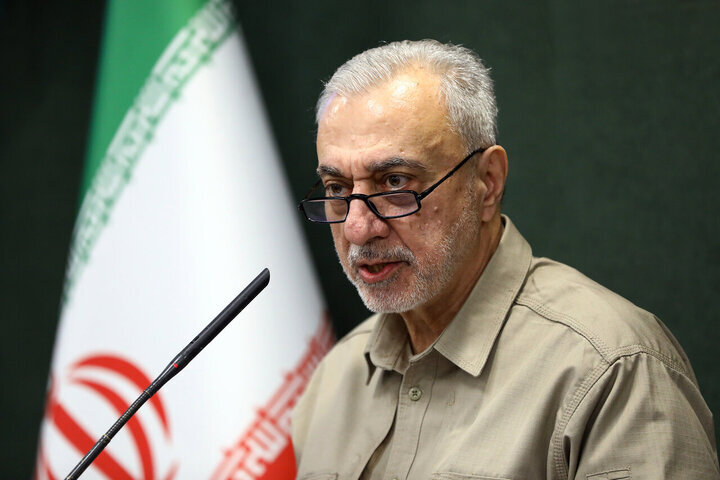
Iran's Parliament Approves Mehrdad Akhlaghi Ketabchi as New Defense Minister
The parliamentary vote confirms a veteran defense industry official as minister after his predecessor's killing, with Akhlaghi already addressing military capabilities and issuing warnings to the United States.
22 sources · over 5 days