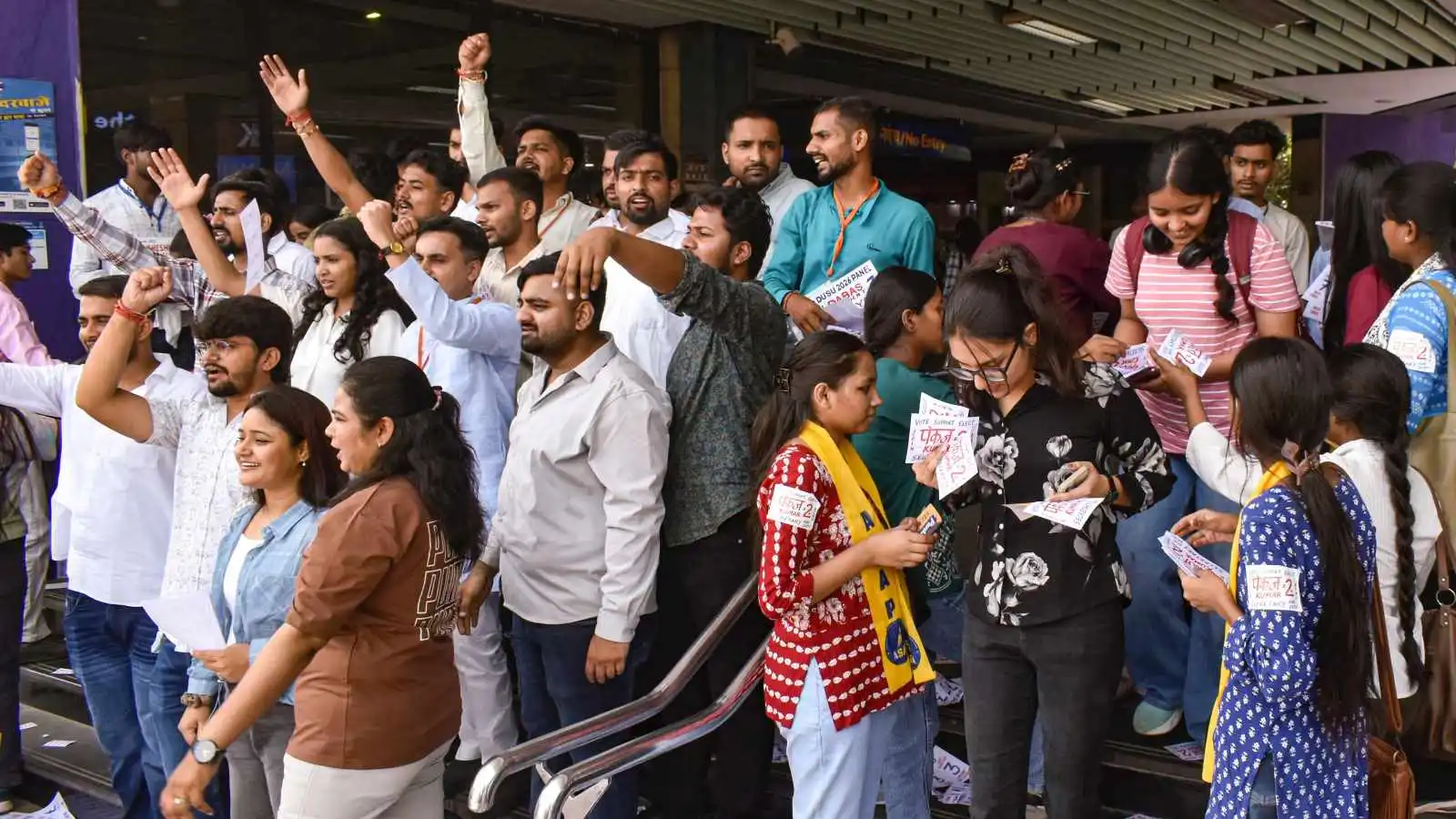
Delhi University DUSU Elections 2026 See High Turnout and Legal Scrutiny Amid Chaos
The DUSU elections concluded with the highest turnout in three years as violence, legal warnings, and tight security shaped a tense contest between major student groups.
By Daniel Okafor · First published 19 Sept 2026
In brief
- The Delhi University Students' Union elections saw a turnout of 40.46 percent, the highest since 2023.
- Legal challenges over student group participation led to a Delhi High Court ruling just before voting started.
- The campaign period was marred by violence, allegations of rule violations, and strong warnings from the Delhi High Court.
- The ABVP claimed early leads and victories in several key posts as counting began under heavy security.
- Vote counting is ongoing, with results expected to determine the direction of student politics at Delhi University for the next year.
Timeline · 8 moments
Delhi HC clarifies student wing participation rules
Indian Express ↗High Court rejects challenge to ABVP, NSUI participation
The Hindu ↗Court criticizes DU and police over pre-poll violence
Times of India India ↗Voting takes place with high turnout and tight security
Mint ↗Hostel collapse tragedy casts shadow over elections
Indian Express ↗ABVP claims victories at several colleges
NDTV India ↗Counting begins with ABVP leading in early trends
The Hindu ↗Heavy security as vote counting continues
Indian Express ↗How it started
The 2026 Delhi University Students' Union elections became contentious well before voting day. Legal disputes erupted over whether students affiliated with national political parties could participate, raising questions about fairness and adherence to university guidelines.
Tensions grew as the Delhi High Court was asked to rule on alleged violations, especially concerning the involvement of student wings linked to political parties. The court ultimately allowed candidates from groups like ABVP and NSUI to contest, but issued a warning to the university to guard against undue political influence.
How it unfolded
On September 16, the Delhi High Court clarified that membership in a student wing does not automatically mean association with a political party, allowing key groups to participate. The same day, the court dismissed a challenge to the participation of students from ABVP and NSUI, but reminded university officials to be vigilant about political influence.
In the days leading up to the vote, reports of violence and chaos surfaced. The High Court sharply criticized university authorities and the police for failing to control the situation, highlighting incidents like cars without license plates and violence against teachers. The court also directly reprimanded both ABVP and NSUI, questioning their conduct during the campaign.
Voting took place on September 18 with heightened security and a strong turnout. The election came in the shadow of a recent hostel collapse tragedy that had killed five students, fueling protests and increasing student engagement. The elections were also influenced by ongoing protests at Jantar Mantar, which inspired more students to participate.
Allegations of rule violations continued, including claims that candidates bypassed spending caps and used deceptive campaigning methods. Despite these issues, the ABVP quickly claimed wins in several college-level posts as polling wrapped up.
Where it stands
Counting of votes began on September 19 under strict security measures. Early trends showed the ABVP leading in key union positions, especially the president's post, while the NSUI also reported some successes at the college level.
The final results have not yet been announced, but the outcome will determine the central student leadership at Delhi University for the 2026-27 academic year. Authorities are maintaining traffic restrictions and heightened security on campus until the process is complete.
What to watch
The main question now is which group will control the DUSU central panel once all votes are counted. There are also ongoing concerns about whether the university and authorities will address the High Court's criticisms and implement reforms to prevent violence and rule violations in future elections.
More in Politics
All →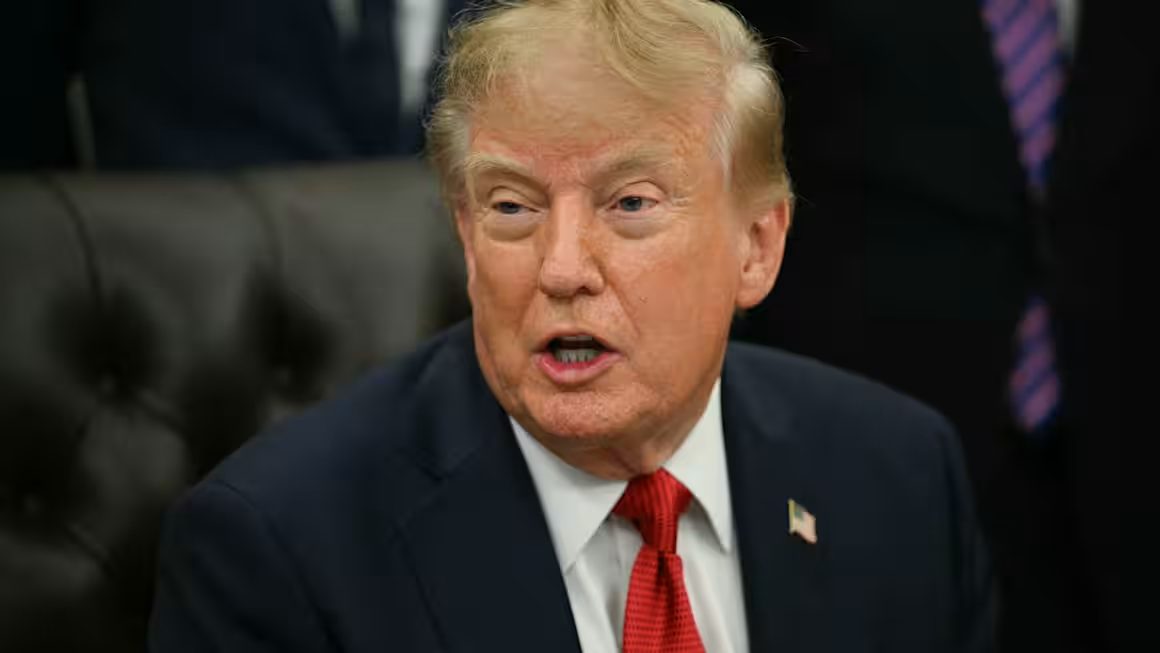
US Gains Expanded Military Role in Greenland, Not Sovereignty
The US, Denmark, and Greenland have agreed to a deal expanding the US military presence, but without transferring sovereignty.
56 sources · today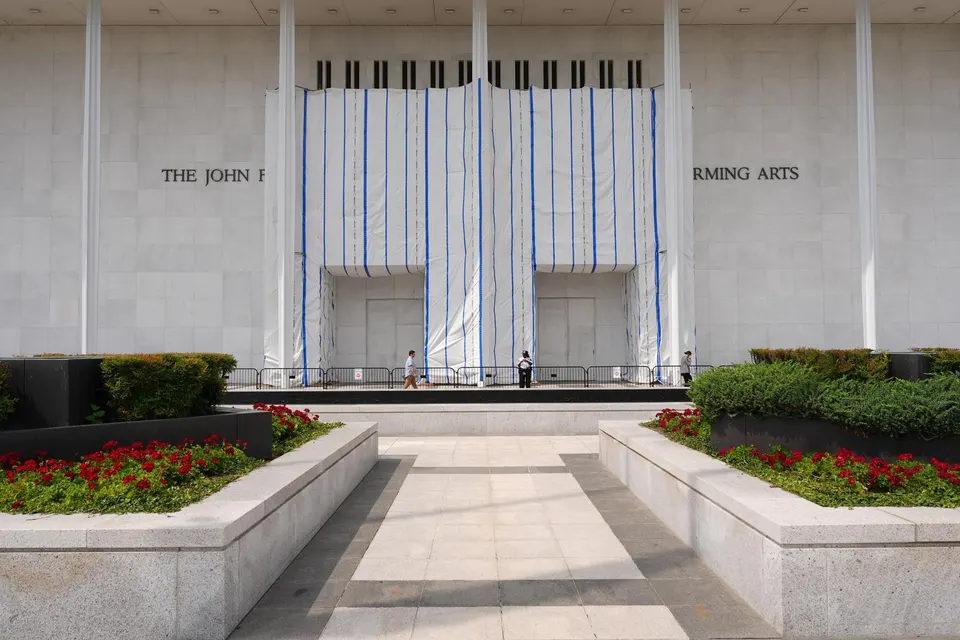
Judge Blocks Demolition as Trump Threatens Kennedy Center Tear-Down
A judge has barred any demolition or major changes to the Kennedy Center without 30 days' notice, as Trump threatens to raze the venue.
50 sources · over 6 days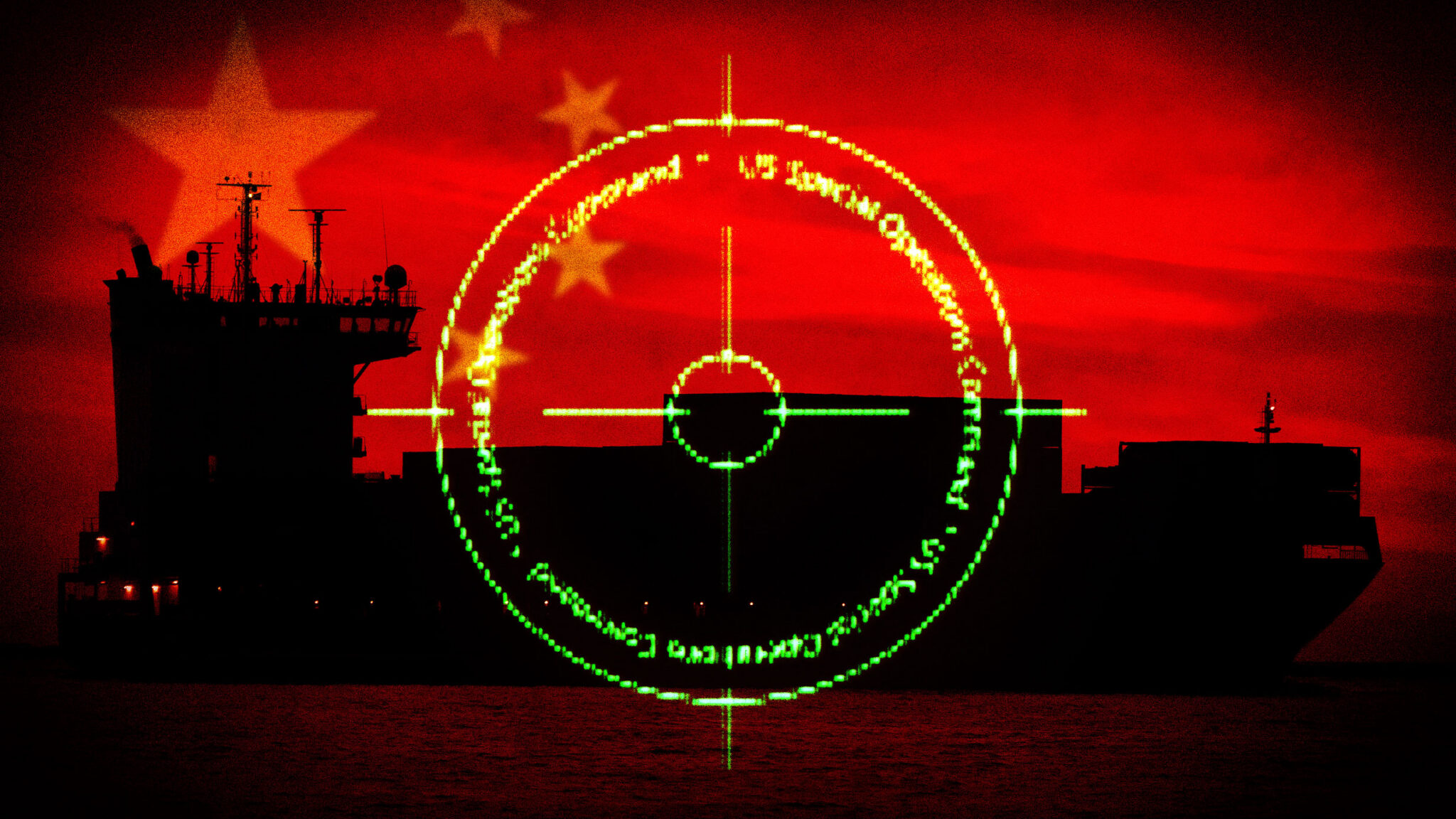
False AI Intelligence Report Nearly Triggered US Military Action Against Chinese Ship
A flawed AI-generated intelligence report misidentified nuclear components on a Chinese vessel, prompting the US military to prepare for a risky interception before the error was caught.
13 sources · today