Drone Attack Severely Damages Saudi East-West Oil Pipeline, Disrupting Global Supply
A major Saudi oil pipeline was badly damaged by a drone strike, forcing a shutdown that threatens crucial oil exports and drives up worldwide prices amid ongoing regional conflict.
By Hannah Lindqvist · First published 14 Sept 2026
In brief
- A drone attack struck Saudi Arabia's East-West oil pipeline, causing significant damage and injuring several people at the site.
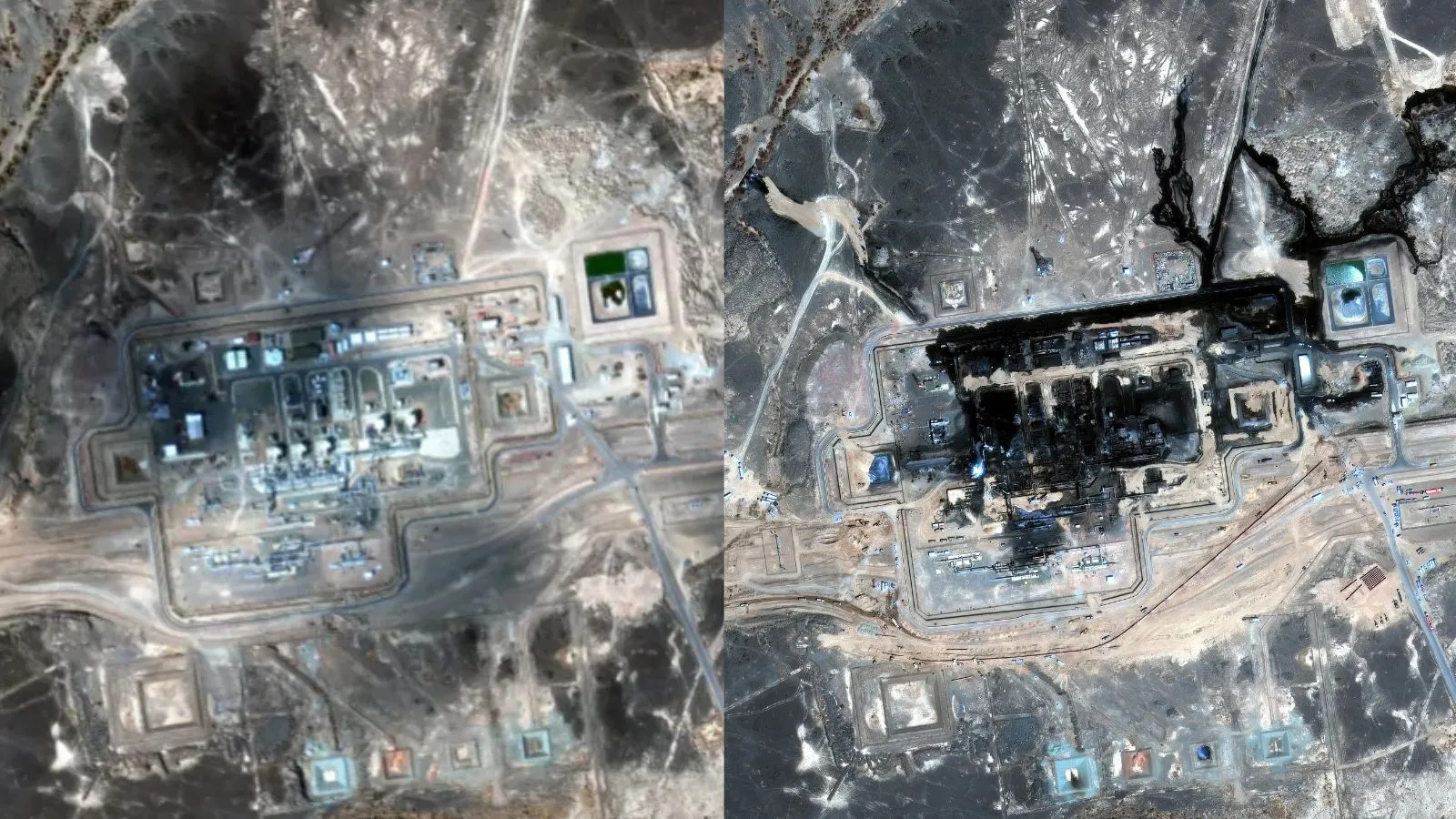
- Satellite images released after the attack revealed extensive destruction to pipeline infrastructure and a pumping station near Medina.
- Saudi authorities shut down the pipeline as a precaution, leading to an immediate halt in oil flows from the Gulf to the Red Sea.
- The pipeline outage has sparked fears of oil shortages, as Saudi Arabia's export reserves could run out within days if repairs are delayed.
- Oil prices have surged above $100 per barrel and global markets are closely watching for a possible quick restart of the pipeline.
Timeline · 9 moments
Drone attack forces Saudi pipeline shutdown and injuries
DER SPIEGEL - Schlagzeilen – Tops ↗Analysts warn of global oil market risks from pipeline outage
Deutschlandfunk - Fortlaufende Nachrichten vom 24. August 2026 ↗Explosions reported in Yanbu as export threat grows
تسنیم ↗Houthi group claims more attacks on Saudi targets
DIE ZEIT | Nachrichten, News, Hintergründe und Debatten ↗Pipeline closure puts pressure on global oil supply
DIE WELT ↗Satellite images reveal severe pipeline damage
Indian Express ↗Markets react as oil prices surge past $100 per barrel
MarketWatch ↗Saudi oil stocks at risk of running out if shutdown persists
Times of India ↗No restart date for pipeline as global impact grows
Euronews ↗How it started
Saudi Arabia's East-West oil pipeline, also known as the Petroline, is vital for moving millions of barrels of oil each day from the Gulf to the Red Sea. This route allows Saudi exports to bypass the Strait of Hormuz, a key but vulnerable chokepoint in global shipping.
On September 11, 2026, a drone attack targeted the pipeline, causing damage and injuring people at the site. Early reports indicated that the attack was part of a series of strikes linked to the conflict involving Yemen's Houthi movement and regional tensions.
How it unfolded
Following the attack on September 11, Saudi authorities immediately shut down the pipeline to assess the damage and prevent further risk. Satellite images soon surfaced, showing the extent of the destruction along the pipeline and at a pumping station southeast of Medina.
By September 12, analysts highlighted the global importance of the East-West pipeline, warning that a prolonged shutdown would put severe pressure on Saudi oil exports and the worldwide oil market. The Houthi group in Yemen claimed responsibility for several attacks on Saudi infrastructure, intensifying security concerns in the region.
Reports on September 13 described explosions in Yanbu, a major oil export hub, and warned of a possible drastic reduction in Saudi oil exports due to the pipeline's closure. The situation escalated as global oil prices began to rise, with traders and refiners in Asia and Europe seeking clarity on the duration of the outage.
On September 14, new satellite images and video confirmed massive damage to the pipeline and its pumping stations. Markets reacted quickly, with oil prices jumping above $100 per barrel as fears grew that Saudi Arabia's stored oil reserves could be depleted within days if repairs were not made swiftly.
Where it stands
The East-West pipeline remains shut with no announced restart date. Saudi Arabia is relying on stored oil to meet export commitments, but those reserves are limited. The disruption threatens to remove a significant share of global oil supply, putting further strain on already tight markets.
Global oil prices remain elevated, and the risk of further attacks or delays in repairs is keeping markets on edge. The situation is being closely monitored by governments, traders, and energy analysts worldwide.
What to watch
Key questions remain about how quickly Saudi Arabia can repair the damaged pipeline and resume normal oil flows. The potential for further drone attacks or regional escalation could prolong market instability. Any announcement about the pipeline's restart or additional security measures will be critical for global energy markets.
More in Business
All →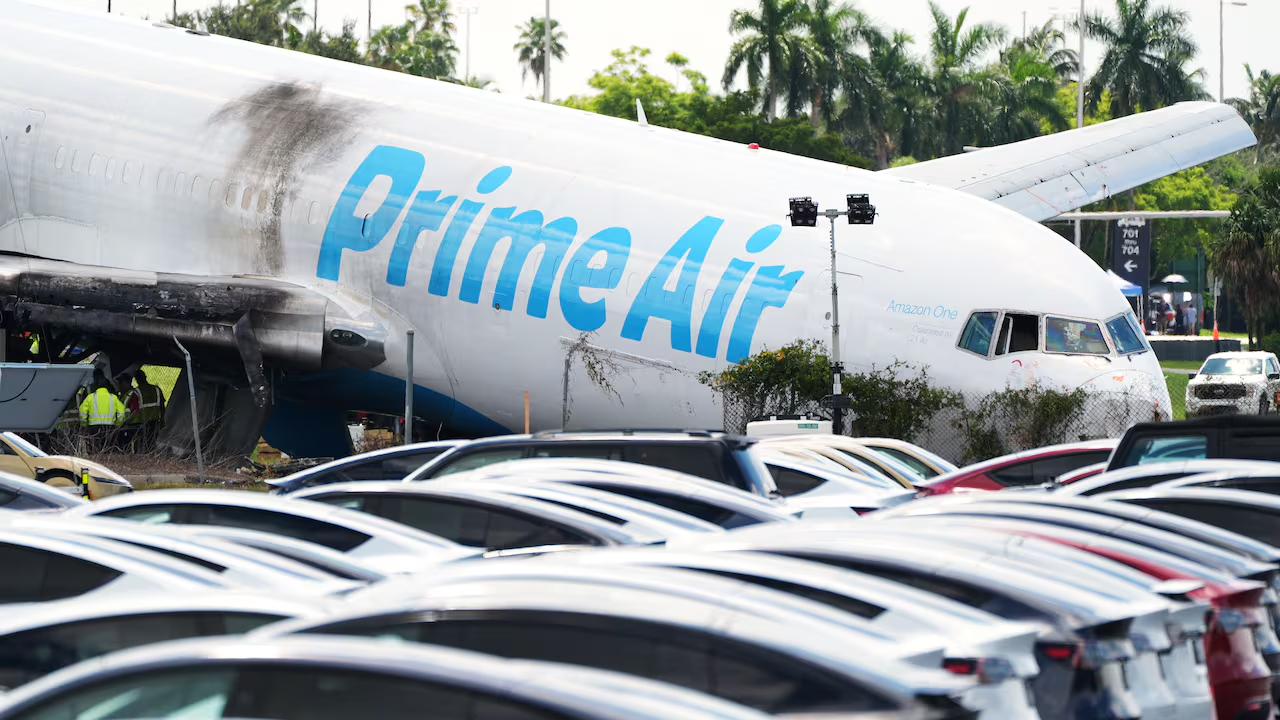
Amazon Suspends Cargo Operations With 21 Air After Fatal Miami Plane Crash
Amazon paused its partnership with 21 Air after a Miami cargo plane crash killed five, raising questions about air cargo safety and ongoing investigations.
15 sources · today
Global Stocks Slide as AI Industry Warns and Oil Prices Surge
Stock markets in the US and Asia are tumbling after AI leaders called for a slowdown and oil prices kept rising, fueling fears of higher interest rates.
8 sources · today
OpenAI Delays Its IPO to 2027 Amid Ongoing AI Safety Concerns
OpenAI's decision to postpone its public offering until at least 2027 reflects growing unease about artificial intelligence safety and unpredictable market conditions.
8 sources · today