El Niño Heat Wave Expected to Cause Nearly Half a Million Deaths Worldwide
A severe El Niño event is fueling extreme heat across the globe, with experts projecting up to 450,000 additional deaths by February 2027, especially in vulnerable regions.
By Samuel Adeyemi · First published 23 Sept 2026
In brief
- A major El Niño event is causing unusually high temperatures worldwide, leading to significant health risks.
- Experts predict up to 450,000 excess deaths globally from heat-related causes by February 2027.
- The greatest impact is expected in poorer countries already facing food insecurity and high energy costs.
- India alone could see around 15,800 additional heat-related deaths during this period, according to recent forecasts.
- Health organizations and researchers urge urgent action to mitigate the risks and protect vulnerable populations.

Timeline · 4 moments
Major study projects 450,000 global deaths from El Niño heat
New Scientist ↗Researchers warn of severe impacts in poorer countries
The Hindu ↗India could see nearly 16,000 additional heat deaths
Indian Express ↗Scientists call for urgent action to save lives
Daily Mail ↗How it started
El Niño is a natural climate phenomenon that periodically warms surface waters in the Pacific Ocean, often triggering unusual weather patterns globally. This year, meteorologists identified an especially strong El Niño forming, with signs of persistent and widespread heat waves in many regions.
Scientists began warning in mid-2026 that this El Niño could be particularly severe. Early reports pointed to rising temperatures and drought conditions in several countries, including Indonesia, where villagers have struggled to access water due to worsening droughts.
How it unfolded
On September 23, 2026, several research groups and media outlets reported the release of a major study by the University of Chicago-based Climate Impact Lab. The study projected that the ongoing El Niño could result in approximately 450,000 excess deaths worldwide by February 2027, mostly due to heat-related illnesses and complications.
The study highlighted that the toll would be heaviest in poorer countries, which are already grappling with food insecurity and high energy costs. These vulnerabilities are partly linked to climate change and other global events, such as the fallout from the war in Iran.
India was identified as one of the hardest hit countries, with forecasts suggesting around 15,800 additional deaths from heat between June 2026 and February 2027. Reports also pointed to significant risks in countries like Nigeria and Indonesia, where rising temperatures threaten already fragile communities.
Researchers warned that the number of extremely hot days could increase by 44 percent compared to normal years, further straining health systems. Scientists called for urgent action to protect the most at-risk populations, emphasizing the need for heat adaptation strategies and public health interventions.
Where it stands
As of late September 2026, the El Niño-driven heat wave is ongoing, with many regions already experiencing record-breaking temperatures and drought conditions. Health organizations and governments are assessing the risks and preparing for a possible surge in heat-related illnesses and deaths over the coming months.
The situation is being closely monitored, with experts warning that the worst impacts could still be ahead, especially if current trends continue.
What to watch
The coming months will be critical as the full impact of the El Niño event becomes clearer. Authorities are expected to roll out emergency measures and adaptation strategies in the most affected areas. Researchers will continue to track mortality figures and update forecasts as new data emerges, while health organizations push for international cooperation to minimize casualties.
More in Environment
All →
Hurricane Polo Surges to Category 5 Strength Off Mexico's Pacific Coast
Hurricane Polo has rapidly intensified into a rare Category 5 storm off Mexico, prompting warnings for southwestern Mexico and Southern California as authorities brace for high winds, surf, and potential flooding.
15 sources · over 2 days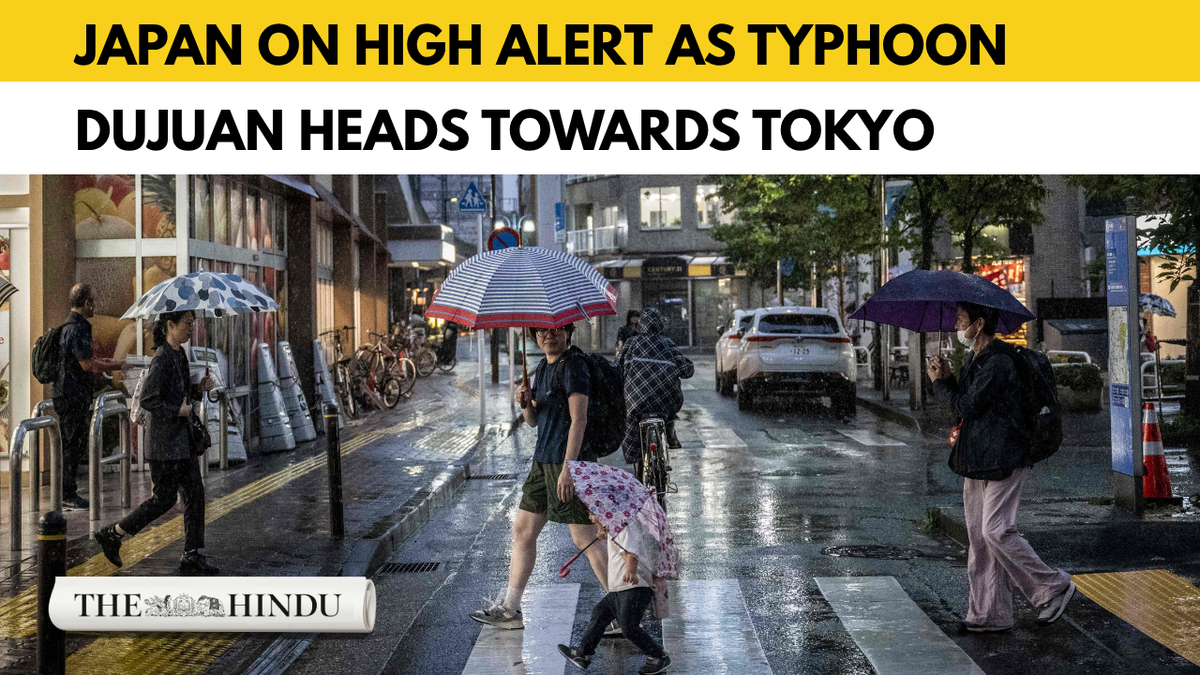
Typhoon Dujuan Kills at Least Four, Leaves Thousands Without Power
Typhoon Dujuan has killed at least four people near Tokyo, caused severe flooding, and left thousands of homes without electricity.
26 sources · over 3 days
EPA Moves to Repeal Biden-Era Carbon Pollution Limits for Power Plants
The US Environmental Protection Agency is set to scrap rules limiting greenhouse gas emissions from coal and gas power plants, shifting climate policy and affecting future regulation.
24 sources · over 4 days