Fires in Hospital NICUs in Maharashtra and Madhya Pradesh Kill Newborns
Within days, separate fires in neonatal intensive care units in Amravati, Maharashtra and Chhindwara, Madhya Pradesh killed at least four newborns and injured others, raising urgent questions about hospital fire safety.
By Elena Petrova · First published 22 Aug 2026
In brief
- Two separate fires in NICUs in Madhya Pradesh and Maharashtra killed four newborns and injured several others in August 2026.
- The first fire occurred on August 22 in Chhindwara, killing one newborn and injuring two after a warmer machine caught fire.
- A second fire broke out on August 24 in Amravati, resulting in three newborn deaths due to an exploding ventilator.
- Investigations are ongoing into both incidents, focusing on equipment safety, emergency protocols, and hospital fire safety standards.
- Authorities are expected to release findings soon, with families advocating for accountability and reforms to prevent future tragedies.
Timeline · 8 moments
Three newborns suffer burns in Chhindwara NICU fire
India News ↗One newborn dies, two injured in Chhindwara fire
Times of India ↗Infant dead, two injured in Madhya Pradesh hospital fire
The Hindu ↗Three newborns die after Amravati hospital NICU fire
Times of India Top Stories ↗Ventilator blast causes deadly fire at Maharashtra hospital
India Today ↗No fire audit lapse in Amravati hospital, says official
NDTV Top Stories ↗Amravati hospital fire: Parents recall horror
The Hindu ↗Amravati hospital fire raises questions on safety protocols
News india ↗How it started
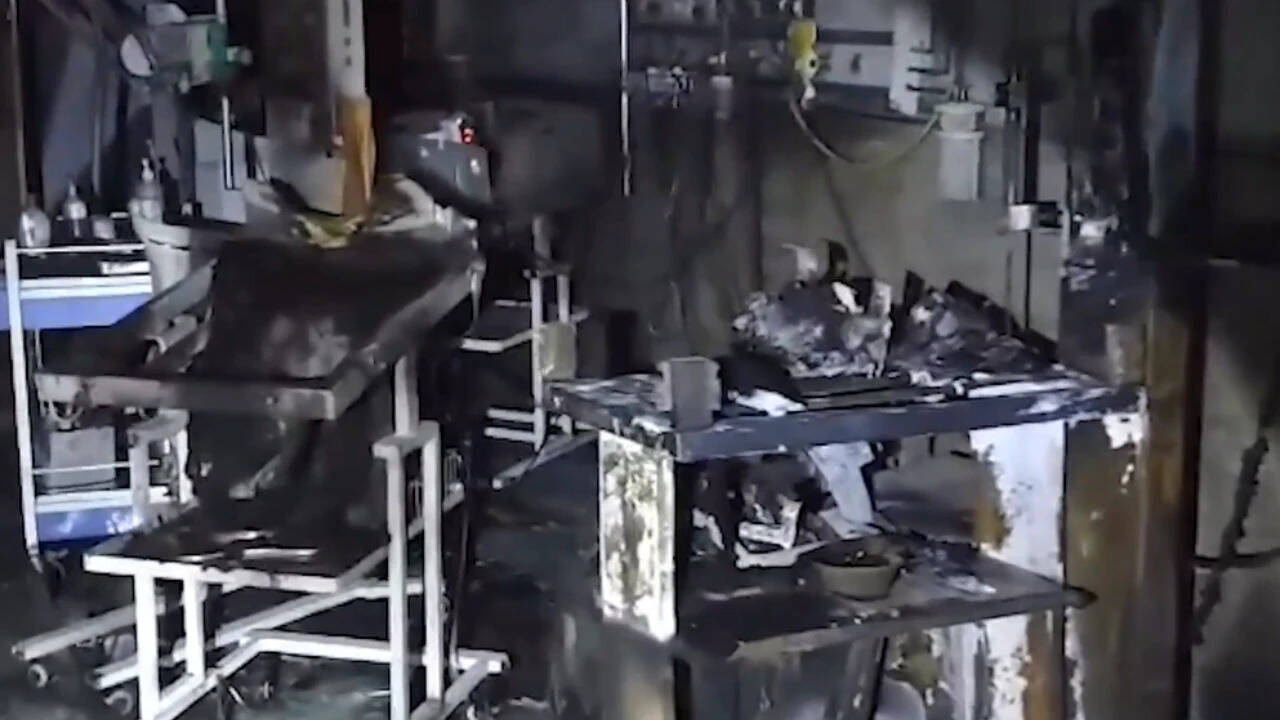
The first incident occurred at Chhindwara District Hospital in Madhya Pradesh on August 22, 2026. According to the Times of India and The Hindu, a fire broke out in the hospital's Neonatal Intensive Care Unit (NICU) after a warmer machine caught fire during the night. Three newborns were affected, with one dying from injuries and two others suffering burns.
Just days later, another fire erupted in the NICU of Amravati District Women's Hospital in Maharashtra. Reports from multiple Indian news outlets suggest that this fire was triggered by an explosion in a ventilator inside the unit. The incident happened in the early hours, according to India Today.
How it unfolded
On August 22, 2026, media reported the Chhindwara hospital fire. India News and The Hindu confirmed that one newborn died and two others were seriously injured after a warmer caught fire. The incident prompted immediate concerns about equipment safety and emergency protocols in neonatal units.
By August 24, 2026, tragedy struck again. A major fire broke out at the Amravati District Women's Hospital NICU in Maharashtra. According to the Times of India and Amar Ujala, a ventilator exploded while 39 newborns were being treated. Three infants died, and hospital staff had to act quickly to save others. Six newborns were moved to other facilities for safety.
India Today reported that the fire started around 3:30 am, but the exact cause remained under investigation. Dainik Bhaskar and other outlets described scenes of chaos, with thick smoke spreading rapidly through the NICU. Parents waiting outside saw infants covered in black ash, The Hindu reported.
Officials told NDTV that the Amravati hospital had passed previous fire audits and was awaiting this year's inspection. However, the incident triggered new concerns about whether safety measures are adequate.
Where it stands
As of August 25, 2026, investigations are underway into both fires. In Amravati, three newborns died and more than thirty others were evacuated from the NICU. Investigators are now examining the hospital's emergency response and equipment safety, according to India News and NDTV.
The Chhindwara incident, which killed one newborn and injured two others, has also led to calls for stricter fire safety standards in hospitals. Both tragedies have intensified public scrutiny of fire safety protocols in neonatal units across India.
What to watch
Authorities are expected to release findings from investigations into both incidents. Key questions include whether faulty equipment or staff response contributed to the fires, and whether fire safety regulations in hospitals will be strengthened. Families and advocates are watching closely for accountability and reforms to prevent future tragedies.
More in Health
All →
Lionel Richie Hospitalized in ICU After On-Stage Health Scare in St. Louis
Lionel Richie, 77, was rushed to intensive care after falling ill during a St. Louis concert, raising concerns among fans and prompting questions about his ongoing health as he recovers.
18 sources · over 3 days
Ebola Outbreak in DR Congo Surpasses 3,000 Deaths and 6,000 Cases
The Democratic Republic of Congo is battling its deadliest Ebola epidemic on record, with cases and deaths rising quickly as violence and weak health systems hamper efforts to contain the virus.
54 sources · over 6 days
Scott McTominay to Miss a Month After Heart Surgery for Benign Arrhythmia
Napoli midfielder Scott McTominay will be sidelined until October following surgery for a mild benign arrhythmia, ruling him out of both club matches and Scotland's international fixtures this month.
9 sources · over 2 days