
Ebola Outbreak in DR Congo Surpasses 3,000 Deaths and 6,000 Cases
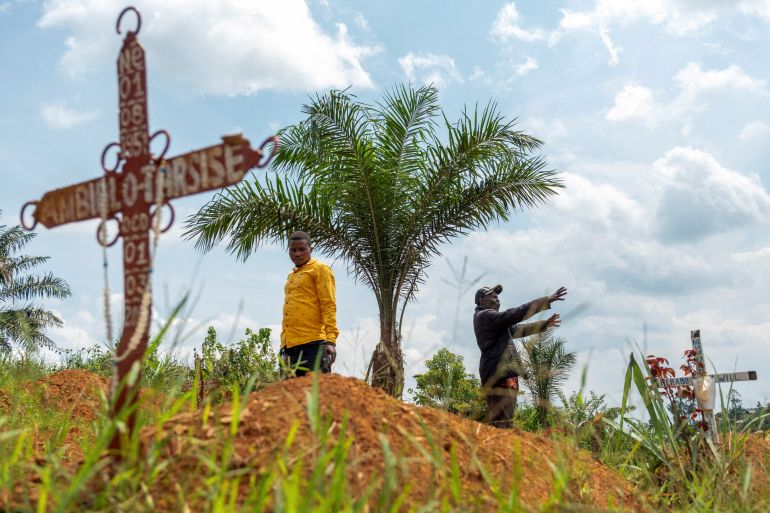
The Democratic Republic of Congo is battling its deadliest Ebola epidemic on record, with cases and deaths rising quickly as violence and weak health systems hamper efforts to contain the virus.
By Hushread Stories, written with AI from 54 outlets · First published 28 Aug 2026
In brief
- The Ebola outbreak in the Democratic Republic of Congo has surpassed 6,100 cases and over 3,000 deaths as of early September 2026.
- The outbreak, caused by the Bundibugyo strain, is the deadliest in DRC history, with a fatality rate nearing 49 percent.
- Vaccination efforts have begun, distributing around 70,000 doses, but the effectiveness of the vaccine against the Bundibugyo strain remains uncertain.
- Ongoing conflict and violence hinder containment efforts, making it difficult for health workers to reach affected communities and track new cases.
- International aid is increasing, with the UK nearly tripling its funding to support containment, but the epidemic is still not under control.
Timeline · 7 moments
Ebola outbreak death toll tops 3,000 as virus spreads
The Independent ↗Congo's Ebola caseload tops 6,000 as concerns grow
Deutsche Welle ↗Ebola outbreak in DRC nears 3,000 deaths
Al Jazeera ↗More than 6,000 people infected with Ebola in Congo
Time.news ↗Ebola outbreak kills 2,500 as spread covers vast area
Time.news ↗Ebola spreads to two new zones, 60 areas now affected
Al Jazeera ↗Congo faces largest Ebola outbreak in its history
Forbes - Innovation ↗How the outbreak began
The latest Ebola outbreak in the Democratic Republic of Congo (DRC) began in May 2026, affecting the eastern and northern regions of the country. Early on, health officials noted the unusually rapid spread of the virus, which was soon identified as the Bundibugyo strain. This variant had not been seen in recent major outbreaks and posed new challenges for containment.
The affected areas were already unstable, with weak state presence and ongoing violence. These conditions made it difficult for health workers to reach communities and trace contacts of infected individuals. By the early summer, it was clear the outbreak was growing faster than any previous Ebola epidemic in the country.
How the crisis escalated
By late August 2026, the outbreak had led to more than 2,500 deaths and over 5,000 confirmed cases, according to Time.news and Euronews. The virus spread rapidly across six provinces, eventually reaching 60 health zones, including new areas like Biena and Manguredjipa, as reported by Al Jazeera and Notícias ao Minuto. Health authorities and the World Health Organization (WHO) warned of exponential growth, and the UN called attention to the risk of spillover into neighboring countries.
Efforts to contain the outbreak were hampered by ongoing conflict, attacks on health workers, and limited humanitarian access. Vaccination campaigns began in late August, but outlets such as Forbes and ARD Tagesschau noted that the available vaccine, Ervebo, had not been proven effective against the Bundibugyo strain. Despite these uncertainties, authorities distributed around 70,000 vaccine doses, focusing on frontline workers.
As the virus continued to spread, the death toll and case numbers climbed quickly. By August 31, multiple outlets including Time.news and Deutsche Welle confirmed that over 6,000 cases and nearly 3,000 deaths had been recorded. Experts warned that the real numbers might be higher due to underreporting and weak surveillance. Health systems in many affected areas were severely strained, and many families feared sending their children back to school as classes resumed.
Current situation
As of early September 2026, the DRC is experiencing the fastest-growing and deadliest Ebola outbreak in its history. The Ministry of Health has confirmed more than 6,100 cases and over 3,000 deaths, with the fatality rate close to 49 percent, according to El Colombiano and The Hill. The outbreak remains concentrated in regions with ongoing conflict, making it hard to track and isolate new cases.
There are still no approved treatments or vaccines for the Bundibugyo Ebola strain, though trials are underway. International aid has increased, with the UK nearly tripling its funding to support containment efforts, according to The Independent. The WHO continues to stress the importance of breaking transmission chains and boosting the Ebola response.
What comes next
Key questions remain about whether the current vaccination campaign will help slow the outbreak, given the uncertainty over vaccine effectiveness against the Bundibugyo variant. Health officials are closely monitoring the return to school and the risk of further spread in communities.
Efforts to contain the outbreak will depend on improving security for health workers, increasing international support, and finding effective treatment or preventive measures. The situation is still evolving, with authorities warning that the epidemic is not yet under control.
More in Health
All →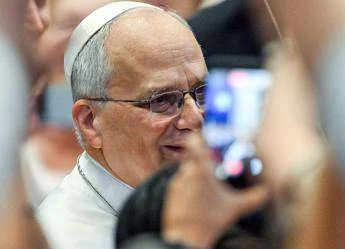
Pope Leo XIV Recovers After Surgery for Lung Adenocarcinoma in Rome
The Vatican identified the removed lung nodule as adenocarcinoma, while doctors reported continued improvement after surgery.
74 sources · over 8 days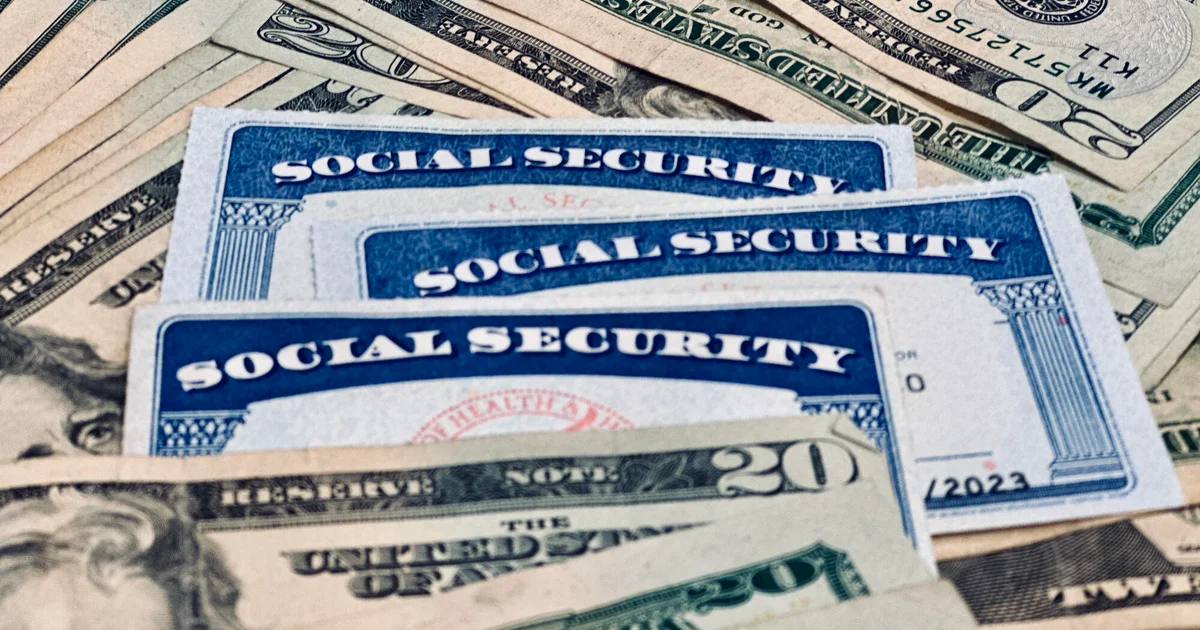
Social Security announces 3.6% cost of living increase for 2027
The adjustment will raise monthly benefits by an average of about $75 for more than 72 million people starting in January 2027.
20 sources · over 6 days
Kenya Confirms First Bundibugyo Ebola Case and Fatality
Kenya has confirmed its first Bundibugyo Ebola case after a man who traveled from the Democratic Republic of the Congo died.
31 sources · over 6 days