France and EU Step Up Missile Aid for Ukraine as Civilian Casualties Climb
Ukraine is receiving billions in new military support from France and the European Union as Russian missile strikes intensify and European leaders gather in Kyiv to discuss urgent air defense needs.
By Marcus Bell · First published 21 Aug 2026
In brief
- Ukraine will receive €6.1 billion in military aid from the European Commission to enhance air defense systems and technology.
- France has committed to supplying additional missile interceptors to Ukraine following a deadly Russian strike in Kryvyi Rig.
- Ukraine is seeking to use part of a €90 billion EU loan for anti-ballistic missile systems amid rising civilian casualties.
- European leaders are meeting in Kyiv to discuss further military support and coordination as winter approaches and attacks continue.
- The UK plans to provide blueprints for Storm Shadow missiles to enable local production in Ukraine, though challenges remain.
Timeline · 7 moments
Ukraine seeks EU loan for anti-ballistic missile systems
Euronews ↗Ukraine requests EU loan for missile defense systems
Mehr News ↗Macron promises missile interceptors after deadly Russian strike
The Guardian ↗France to deliver interceptor missiles to Kyiv
The Independent ↗EU approves €6.1 billion for Ukraine's defense
Analitika ↗European leaders meet in Kyiv to discuss air defense
World News CNA ↗UK to provide Storm Shadow missile blueprints to Ukraine
BBC ↗How it started
When Russia launched its full-scale invasion of Ukraine in 2022, Kyiv's allies began providing military and financial support. Over time, as the war dragged on and Russian missile attacks targeted cities and infrastructure, Ukraine's need for advanced air defense systems became increasingly urgent.
By 2026, Ukraine was facing a new wave of Russian missile and drone strikes. Civilian casualties began to rise, especially after high-profile attacks like the deadly strike on a shopping mall in Kryvyi Rig. In response, Ukraine stepped up its calls for more sophisticated air defense equipment from its European partners.
How it unfolded
On August 21, 2026, Euronews reported that Ukraine had asked to use part of a €90 billion EU loan specifically for anti-ballistic missile systems. This request came after previous exceptions allowed Kyiv to buy drone equipment with EU funds.
By August 22, Mehr News confirmed that Ukraine was seeking to direct the next tranche of EU funding towards missile defense systems. These developments came as Russian attacks grew more deadly and frequent.
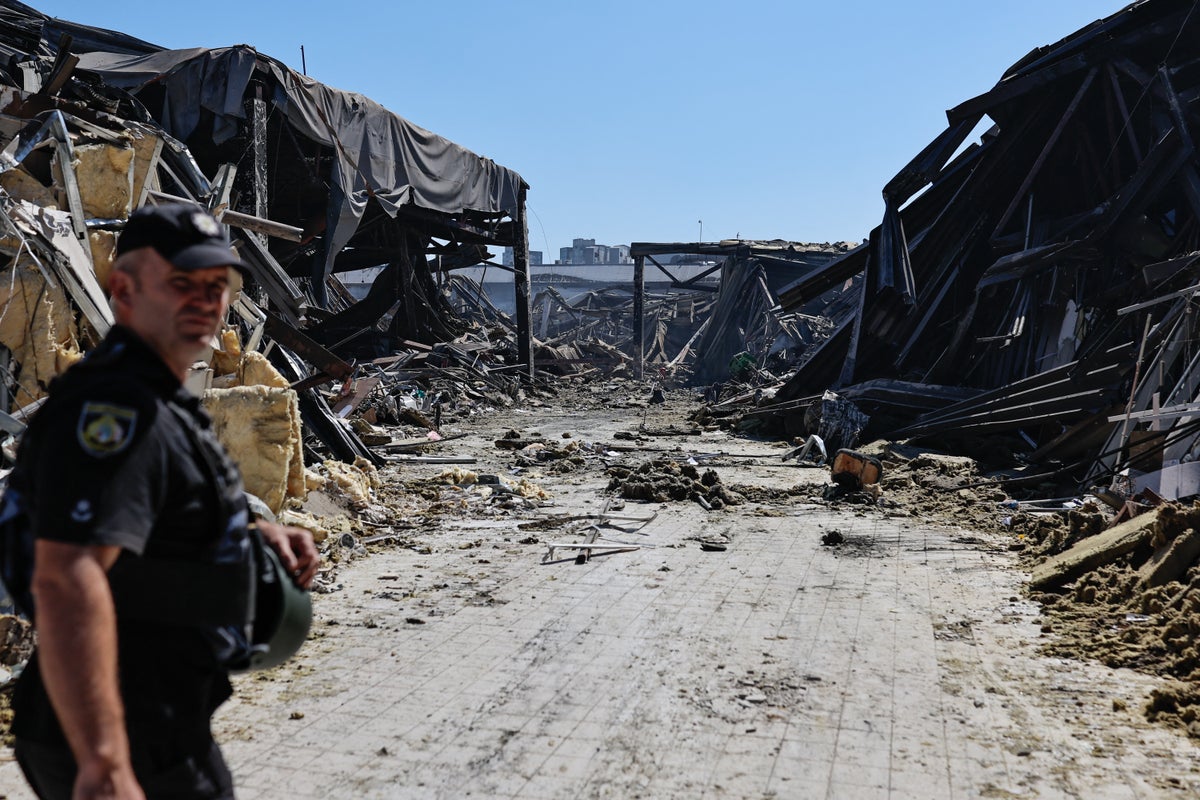
On August 23, The Guardian and The Independent reported that French President Emmanuel Macron had promised to deliver new missile interceptor systems to Ukraine. This decision followed the deadly mall strike in Kryvyi Rig, which killed at least 16 people and highlighted the vulnerability of Ukrainian cities.
On August 24, the European Commission officially approved an additional €6.1 billion in military aid for Ukraine, according to multiple outlets including Analitika and Euronews. This funding is intended for air defense systems, missiles, ammunition, and radar equipment. At the same time, key European leaders, including those from France, the UK, and Germany, gathered in Kyiv for a summit to discuss further military support and coordination as winter approached.
The UK also announced it would provide Ukraine with blueprints for the Storm Shadow long-range cruise missile, allowing Ukraine to begin local production. However, the BBC noted that these missiles are expensive and complex to produce, so this move may not immediately address Ukraine's most pressing air defense shortages.
Where it stands
Ukraine is set to receive €6.1 billion from the European Commission, aimed at strengthening its air defenses with new systems, missiles, and radar technology. France has pledged to deliver additional missile interceptors, and plans are underway for Ukraine to start producing Storm Shadow missiles domestically with UK and French support.
Despite these new commitments, Ukrainian officials and European leaders acknowledge that further aid will likely be necessary, especially as Russian attacks show no sign of letting up and civilian casualties remain high.
What to watch
The immediate focus is on how quickly Ukraine can receive and deploy the promised air defense equipment. The pace of domestic missile production will also be important. European leaders are expected to continue discussing ways to accelerate aid and coordinate future support, especially with winter approaching and Russian attacks persisting.
More in Politics
All →
One Dead, Six Injured Including Police in Minneapolis Downtown Shooting
A shooting at a downtown Minneapolis apartment building left one person dead and six injured, including two police officers, prompting an ongoing investigation and heightened security in the area.
8 sources · today
Jury in Lindsay Clancy Triple-Murder Trial Deadlocked Over Mental Health Defense
After days of deliberations, jurors remain unable to reach a verdict on whether Lindsay Clancy is criminally responsible for killing her three children, highlighting deep divisions over mental illness and justice.
39 sources · over 19 days
Trump Says He's 'Happy' About Harry and Meghan Leaving the US
Former President Donald Trump publicly welcomed Prince Harry and Meghan Markle's departure from the United States, reigniting debate over the couple's relationship with the UK and the US.
10 sources · today