G7 Demands Iran End Support for Houthis Amid Yemen-Saudi Escalation
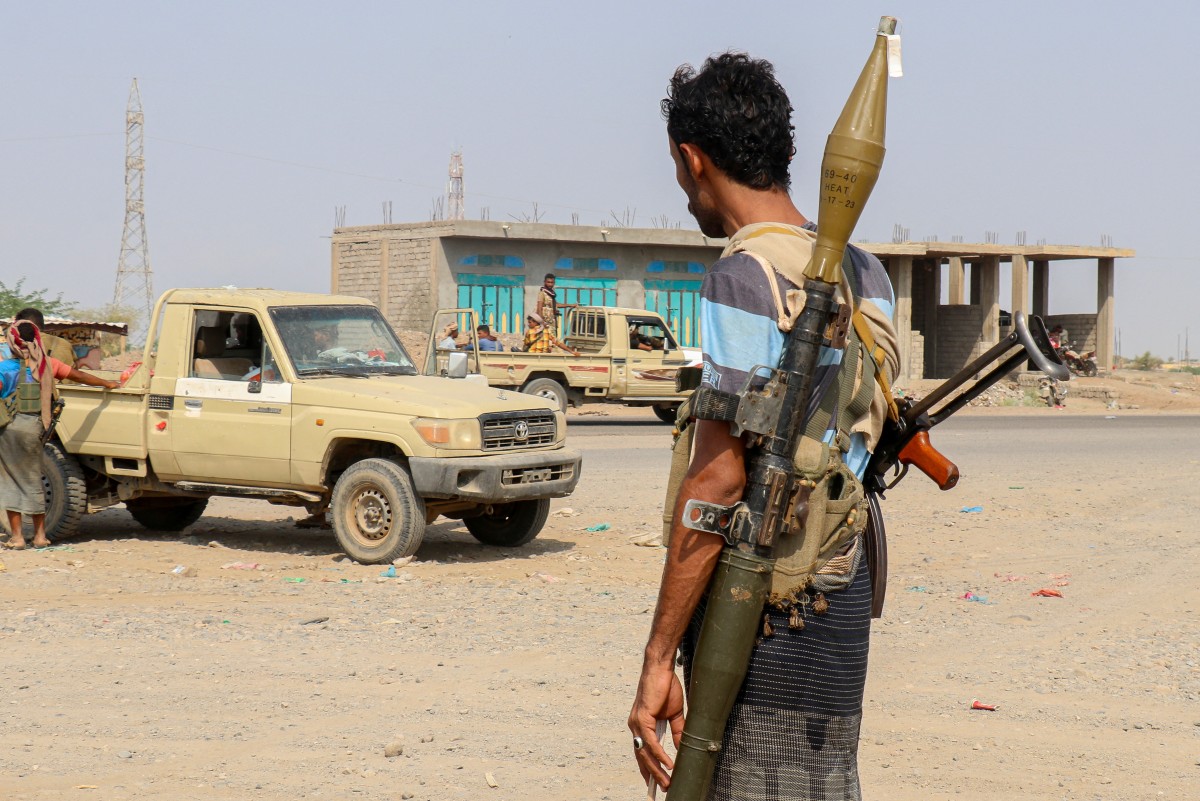
G7 foreign ministers have called for Iran to stop supplying weapons to Yemen's Houthis and urged an end to Houthi attacks on Saudi Arabia, as tensions threaten regional trade and security.
By Ethan Cole · First published 22 Sept 2026
In brief
- The G7 foreign ministers issued a joint statement urging Iran to halt its military support for the Houthi movement in Yemen.
- The group condemned recent Houthi attacks targeting Saudi Arabia and maritime shipping routes, warning of risks to international trade.
- Recent Houthi offensives along Yemen's Red Sea coast have threatened global shipping and contributed to rising energy prices.
- The G7 statement comes ahead of the United Nations General Assembly, placing pressure on Iran and the Houthis to de-escalate.
- The UK and France have pledged defensive support to Saudi Arabia, while diplomatic efforts continue to address the ongoing conflict.
Timeline · 4 moments
G7 calls on Iran to stop arming Houthis
Arab News ↗G7 condemns Houthi attacks on Saudi Arabia
BBC News ↗G7 demands Houthis end maritime shipping attacks
Al Jazeera ↗G7 denounces Houthi offensive on Yemen's Red Sea coast
Euronews ↗How it started
Tensions in Yemen have simmered for years, with the Houthi movement receiving backing from Iran and facing off against a Saudi-led coalition. The Houthis have frequently launched attacks into Saudi territory, drawing international concern about the conflict's spillover effects. Recently, renewed fighting and Houthi offensives along Yemen's Red Sea coast have raised the stakes for regional stability and global trade.
How it unfolded
On September 22, 2026, the G7 foreign ministers issued a public call for Iran to stop supplying arms and support to the Houthis in Yemen, describing the situation as a threat to global stability and commerce. The statement condemned ongoing Houthi attacks on Saudi Arabia, as well as strikes targeting maritime shipping in the region. According to multiple reports, the G7 emphasized the danger posed by the recent escalation, especially as the Houthis attempted to seize control of Yemen's Red Sea coast.
As the conflict intensified, the UK and France pledged defensive support to Saudi Arabia to help secure critical energy supplies. The timing of the G7 statement, just ahead of the UN General Assembly, was seen as an effort to build international consensus and pressure both Iran and the Houthis to de-escalate. Meanwhile, the Houthis claimed that a Saudi strike killed six people in Mokha, highlighting the ongoing human cost of the conflict.
Where it stands
The G7's demands have put renewed diplomatic pressure on Iran and the Houthis, but there is no sign yet of a breakthrough. The conflict in Yemen continues to threaten regional security and disrupt shipping routes, with energy prices affected by the instability. International actors remain focused on preventing further escalation as the United Nations General Assembly convenes.
What to watch
Attention will be on whether Iran responds to the G7's call and if the Houthis halt their attacks on Saudi Arabia and maritime routes. The upcoming discussions at the UN General Assembly could shape the next phase of diplomatic efforts and determine if further international action follows.
More in World
All →
UN Report Says US Drug Boat Strikes May Be Crimes Against Humanity
A UN expert says recent US military attacks on alleged drug boats, including one that killed four, could be illegal.
21 sources · over 3 days
Meloni Adds Parent Language Lessons to School Veil Ban Plan
Meloni's proposal now includes mandatory Italian lessons for some parents of foreign students along with school veil ban.
30 sources · over 2 days
FIFA President Gianni Infantino Calls for Reform Talks After World Cup Controversy
Gianni Infantino has proposed an external review of FIFA's governance in response to mounting criticism following recent World Cup controversies and failed commercial plans.
15 sources · today