Germany and Allies Demand Hundreds of Billions in EU Budget Cuts
Germany and five other EU countries are pushing to slash the proposed 2028, 2034 EU budget, arguing that current spending plans are unsustainable and calling for several hundred billion euros in reductions.
By Isabel Navarro · First published 26 Aug 2026
In brief
- Germany and five other EU countries are demanding hundreds of billions in cuts to the proposed €2 trillion EU budget for 2028-2034.
- Chancellor Friedrich Merz is leading the push, arguing that the current budget is unsustainable for net contributor countries.
- Negotiations are ongoing, with no agreement reached as of August 27, 2026, amid differing views on spending priorities.
- All 27 EU member states must approve the final budget, making compromise essential for future funding decisions.
- Council President Antonio Costa is mediating talks, focusing on whether frugal states will accept any compromise on budget cuts.
Timeline · 6 moments
Commission proposes €2 trillion 2028, 2034 EU budget
Ta Nea ↗Germany and allies start talks for major EU budget cuts
Deutschlandfunk - Fortlaufende Nachrichten vom 24. August 2026 ↗Merz courts frugal states to trim bloc's spending
Deutsche Welle ↗Six net contributor countries demand drastic EU budget cuts
Deutschlandfunk - Fortlaufende Nachrichten vom 24. August 2026 ↗Germany and five others reject current EU financial plan
DER SPIEGEL - Schlagzeilen – Tops ↗Frugal group meets in Berlin, opposes new joint borrowing
Anadolu Ajansı ↗How it started
In mid-2026, the European Commission put forward a draft for the EU's next long-term budget, covering the years 2028 to 2034. The proposal envisioned a financial framework of around two trillion euros, aiming to fund various EU priorities and obligations.
However, several of the bloc's wealthier member states, often called the 'frugals', quickly expressed concern. Germany, led by Chancellor Friedrich Merz, emerged at the forefront, arguing that the proposed budget would place too heavy a burden on net contributor countries. According to DER SPIEGEL and ARD Tagesschau, Merz began rallying support among other like-minded leaders.
How it unfolded
On August 26, 2026, reports from outlets like Ta Nea and Deutschlandfunk confirmed that the European Commission was seeking agreement on a €2 trillion budget. At the same time, Germany and several allies, including Denmark and Finland, started coordinated talks to push for major cuts.
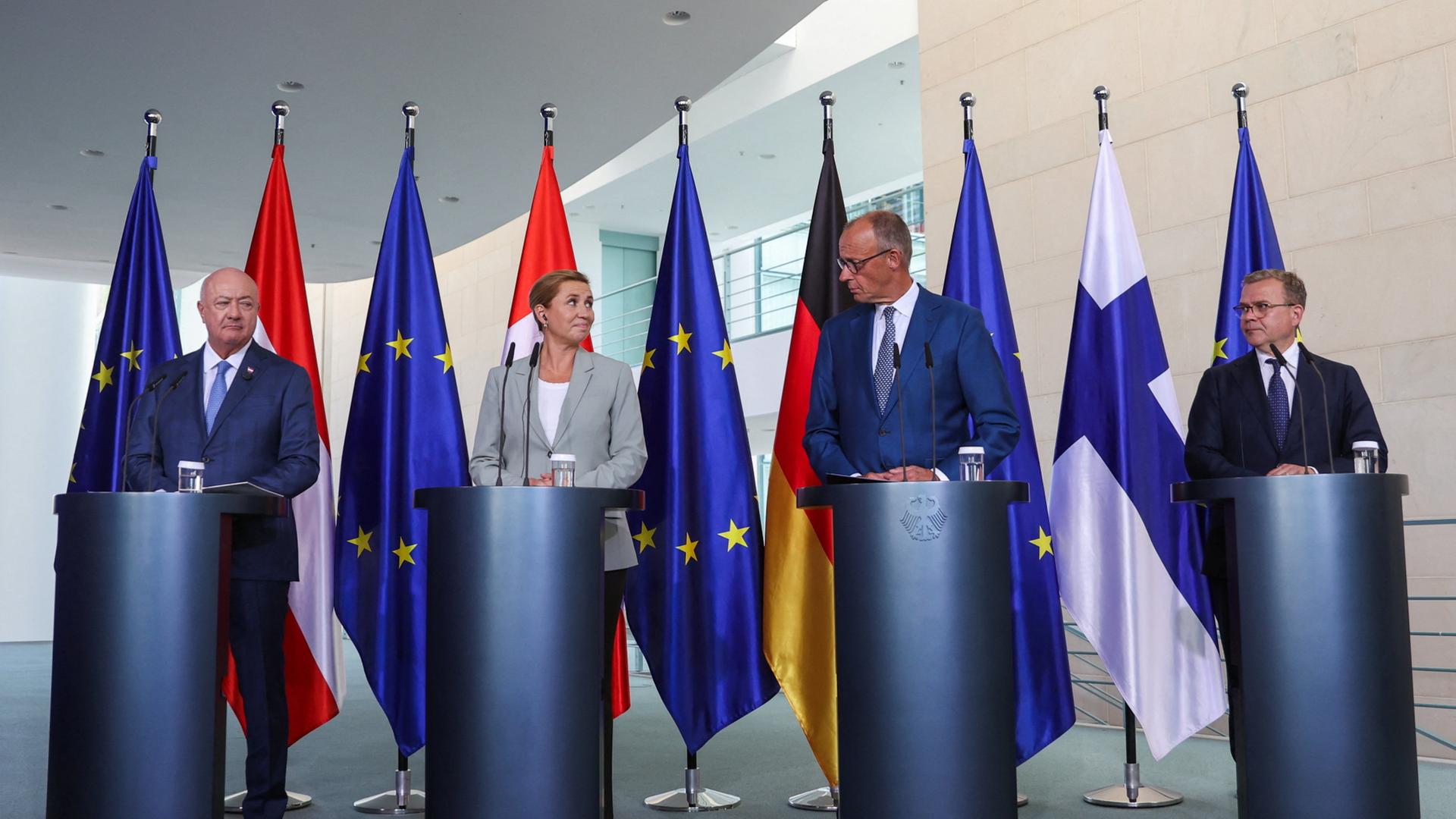
By August 27, the alliance had become clearer. According to Deutsche Welle and Point.md, Germany, Denmark, Finland, Austria, the Netherlands, and Sweden were all calling for a reduction of several hundred billion euros from the Commission's plan. These countries, all net contributors, argued that the budget was unaffordable given economic pressures and criticized what they saw as excessive bureaucracy.
Negotiations intensified, with Chancellor Merz hosting meetings in Berlin attended by leaders from the key 'frugal' states. The group emphasized the need for savings and explicitly opposed any new joint EU borrowing, according to Point.md and Anadolu Ajansı. Despite some support for limited increases in specific areas, the group remained united in demanding deep overall cuts.
European Council President Antonio Costa began traveling between capitals to mediate. According to Euronews and elEconomista.es, the frugal group had not yet agreed on the exact scale of cuts but were presenting a united front in talks.
Where it stands
As of August 27, 2026, negotiations are ongoing with no agreement in sight. The frugal states, led by Germany, remain firm in their demand for a smaller budget, while the European Commission and other member states argue that the current proposal is necessary for the EU's ambitions.
All 27 member states must approve the final budget, making compromise essential. The debate over spending priorities and fiscal responsibility is now at the center of EU politics.
What to watch
Talks are expected to continue in the coming weeks, with Council President Costa seeking common ground. The main questions are whether the frugal states will accept any compromise on spending and how much, if any, of the proposed cuts will be adopted. The outcome will shape EU policy and funding for the next decade.
More in Politics
All →
One Dead, Six Injured Including Police in Minneapolis Downtown Shooting
A shooting at a downtown Minneapolis apartment building left one person dead and six injured, including two police officers, prompting an ongoing investigation and heightened security in the area.
8 sources · today
Jury in Lindsay Clancy Triple-Murder Trial Deadlocked Over Mental Health Defense
After days of deliberations, jurors remain unable to reach a verdict on whether Lindsay Clancy is criminally responsible for killing her three children, highlighting deep divisions over mental illness and justice.
39 sources · over 19 days
Trump Says He's 'Happy' About Harry and Meghan Leaving the US
Former President Donald Trump publicly welcomed Prince Harry and Meghan Markle's departure from the United States, reigniting debate over the couple's relationship with the UK and the US.
10 sources · today