Heavy Fighting in Yemen Escalates as Houthis and Saudi Forces Clash in Taiz and Beyond
Recent clashes between Yemeni government forces and Houthi fighters have led to high casualties, cross-border attacks, and heightened military tensions, raising fears of further escalation in the region.
By Hushread Stories, written with AI from 15 outlets · First published 3 Oct 2026
In brief
- Yemeni government troops and Houthi fighters have been locked in intense battles around Taiz, resulting in dozens of deaths.
- The Saudi-led coalition claims the Houthis targeted a power station supplying electricity to Medina's Prophet's Mosque in Saudi Arabia.
- Several Houthi missiles and drones aimed at Saudi cities have been intercepted, but some debris caused damage in Khamis Mushait.
- The Houthis deny attacking Medina's holy sites, while coalition airstrikes have intensified against Houthi positions in Sanaa and Taiz.
- Saudi Arabia is preparing for a major new offensive to reclaim territory and secure key Red Sea maritime routes.
Timeline · 8 moments
Intense fighting in Taiz causes heavy casualties
Middle East Eye ↗Coalition intercepts Houthi drones and missiles targeting Saudi Arabia
Arab News ↗Coalition accuses Houthis of striking Medina power station
© AFP ↗Houthis deny targeting holy sites in Medina
Euronews ↗More Houthi missiles intercepted near Khamis Mushait
Arab News ↗Yemen's army claims high Houthi casualties in Taiz
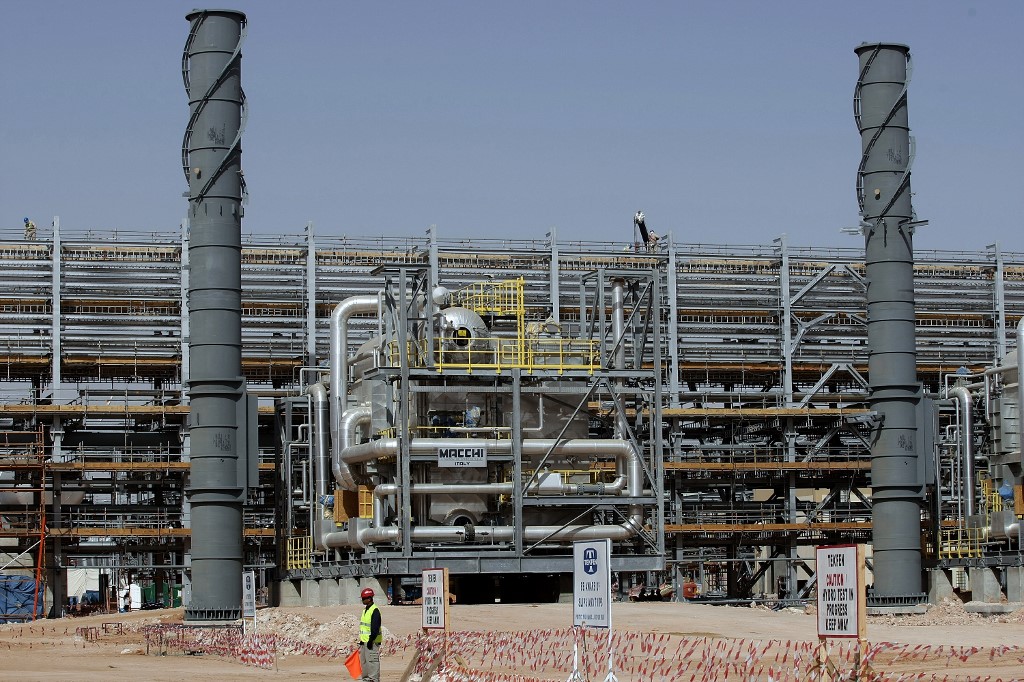
Al Jazeera ↗Fire and smoke reported at Aramco facility near Riyadh
South China Morning Post ↗Houthis claim attack on Aramco site in Riyadh
Middle East Eye ↗How it started
The current surge in fighting began with renewed clashes between Yemeni government forces and Houthi fighters in Taiz. The area has long been a frontline in Yemen's civil war, but recent military actions have intensified.
These clashes are part of a broader conflict that has drawn in the Saudi-led coalition, which supports the internationally recognized Yemeni government. The Houthis, backed by Iran, control large parts of northern Yemen, including the capital Sanaa.
How it unfolded
On October 1, heavy fighting erupted in Taiz, with reports of significant casualties among both Houthi and government forces. The fighting centered near waterways important for global energy shipments.
That same day, the Saudi-led coalition announced it had intercepted and destroyed multiple Houthi drones and ballistic missiles targeting southern Saudi Arabia. Some debris fell in Khamis Mushait, causing material damage.
The coalition accused the Houthis of striking an electricity distribution station in Medina that powers the Prophet's Mosque, one of Islam's holiest sites. The Houthis denied these allegations, calling them fabrications to justify further coalition attacks.
Explosions were reported in Sanaa and other Houthi-controlled cities as coalition airstrikes intensified. The following day, more missiles targeting Saudi Arabia were intercepted, and the Yemeni government claimed to have inflicted heavy casualties on Houthi forces.
By October 3, an Aramco facility near Riyadh was reported to be on fire following a claimed Houthi attack, signaling a further escalation of hostilities across the border.
Where it stands
Currently, the fighting in Taiz remains fierce, with the Yemeni government and coalition forces pressing to regain strategic territory. The Houthis continue to launch missiles and drones at Saudi targets, while coalition airstrikes hit Houthi positions in Yemen.
Saudi Arabia is reportedly considering a major new offensive aimed at securing coastal areas and protecting maritime routes. Both sides claim high numbers of enemy casualties, but the situation on the ground remains fluid and highly dangerous.
What to watch
The next steps will likely depend on whether Saudi Arabia launches a large-scale ground offensive in Yemen. The risk of further cross-border attacks remains high, and the safety of key religious and energy sites is a growing concern for both regional stability and global energy markets.
More in World
All →
Two Iranian Nationals Charged in Manchester Jewish Community Terror Plot
British authorities have charged two Iranian men with planning a terrorist attack on the Jewish community in Manchester, raising concerns about security ahead of Yom Kippur.
20 sources · over 2 days
Ten Injured, Child Critical After Car Hits Newcastle Knights Fans
A car crashed into rugby fans in Newcastle, injuring ten including a 5-year-old girl now in critical condition.
16 sources · today
Russian Strikes on Kyiv Escalate, Bridges and Power Grid Hit in Major Assault
A wave of Russian missile and drone attacks on Kyiv has killed at least seven, targeted energy infrastructure, and shut key bridges, severely disrupting life as winter approaches.
28 sources · over 6 days