Russian Strikes on Kyiv Escalate, Bridges and Power Grid Hit in Major Assault
A wave of Russian missile and drone attacks on Kyiv has killed at least seven, targeted energy infrastructure, and shut key bridges, severely disrupting life as winter approaches.
By Hushread Stories, written with AI from 28 outlets · First published 3 Oct 2026 · Chapter 2 of 2
Earlier: Russian Airstrikes Kill Seven, Severely Damage Kyiv's Energy Grid
In brief
- Russian forces launched a series of missile and drone strikes on Kyiv and surrounding areas starting late September.
- At least seven people have been killed, including a child, with dozens more injured in these attacks.
- Critical infrastructure such as the energy grid and major bridges over the Dnipro River have been hit, causing power cuts and traffic gridlock.
- Kyiv's mayor described the situation as dire, warning that the city is facing a campaign to sow panic and disrupt daily life.
- Authorities expect further intensification of attacks as Russia appears to be shifting tactics ahead of the winter months.
Timeline · 8 moments
Russian missile and drone attacks kill four, hit Kyiv energy grid
CBC News ↗Russia launches largest attack on Ukraine's energy infrastructure since spring
BBC News - World News ↗Russian drone hits school in Kyiv, no child casualties
Al Jazeera ↗Russian drones target major bridge in Kyiv, disrupting traffic
BBC News ↗Southern Bridge in Kyiv closed after Russian drone strike
Arab News ↗Kyiv mayor warns intensified Russian strikes are tearing city apart
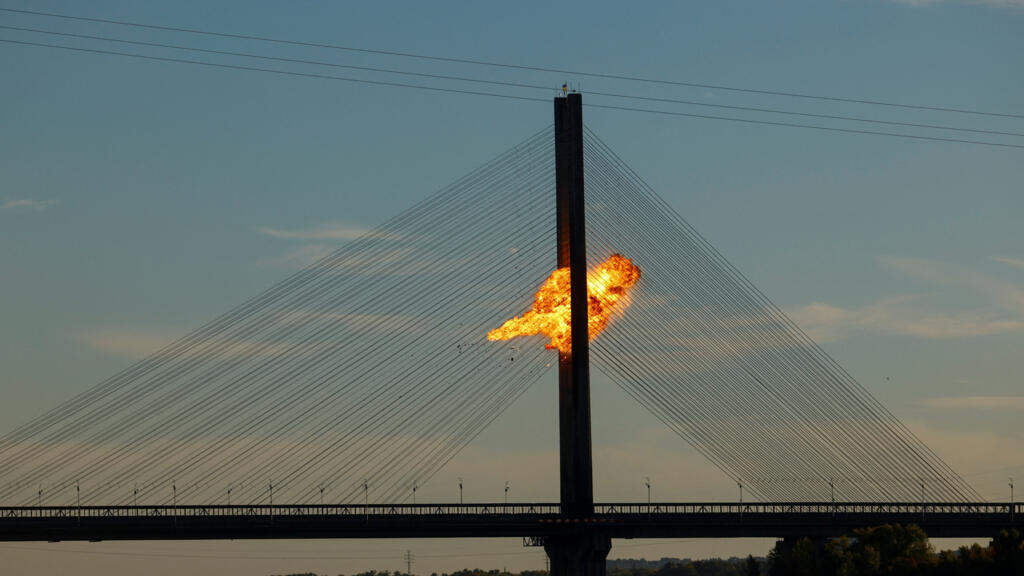
BBC - Home ↗Northern Bridge in Kyiv struck by Russian air attack
© Valentyn Ogirenko, Reuters ↗Second Kyiv bridge hit as Russia targets Dnipro crossings
Euronews ↗How it started
The latest escalation began at the end of September, when Russian forces resumed intense missile and drone strikes on Kyiv and its surrounding region. Initial targets included residential areas and energy infrastructure, marking a shift from sporadic attacks to a more sustained campaign. Ukrainian officials reported that these strikes quickly led to casualties, including children, and damaged key parts of the city's power grid.
The renewed bombardment came as Ukrainian and Western analysts warned of a likely Russian push to cripple Ukraine's energy supply before winter. The attacks created immediate disruptions, with widespread power outages and heightened fears among residents.
How it unfolded
On September 30, Russian drone and missile attacks killed at least four people in Kyiv and nearby areas, including a child, and damaged energy infrastructure. Emergency services scrambled to respond as the capital was shrouded in smoke and power cuts began.
By October 1, the strikes had intensified. A Russian drone hit a school in Kyiv, sparking a fire but causing no casualties among children. The same day, attacks targeted the city's main bridges, disrupting transport and marking the first such strikes on these crossings since the start of the war.
October 2 saw further escalation. Russian drones struck the Southern Bridge, one of Kyiv's key Dnipro crossings, forcing its complete closure and partially restricting traffic on the Paton Bridge. These strikes caused severe traffic gridlock across the city, with authorities confirming at least one death and multiple injuries.
On October 3, Russian forces hit the Northern Bridge, the second major Dnipro crossing in as many days. This attack blocked another vital route, leaving only a few bridges fully operational and further compounding transportation chaos for Kyiv's residents.
Where it stands
As of early October, Kyiv remains under heavy bombardment, with its energy system and transportation network suffering repeated blows. Two major bridges over the Dnipro River are now out of service, and emergency power cuts continue across the capital and nearby regions.
City officials describe the situation as critical, warning that Russia's strategy is to disrupt daily life, sap morale, and prepare for harsher conditions as winter approaches. Ukrainian authorities and analysts expect these attacks to continue or intensify in the coming weeks.
What to watch
The next days and weeks will show whether Russian strikes on infrastructure escalate further, especially as temperatures drop and energy demands rise. The city's ability to restore power and reopen key bridges will be crucial for both civilian life and military logistics. Residents and officials remain on high alert for continued attacks and possible new tactics.
More in World
All →
Car Plows Into Newcastle Knights Fans, Injuring Several Including Children in Australia
A car crashed into a crowd of rugby fans north of Sydney, leaving multiple people, including children, injured and leading to the arrest of an 18-year-old driver.
8 sources · today
Two Iranian Nationals Charged in Manchester Jewish Community Terror Plot
British authorities have charged two Iranian men with planning a terrorist attack on the Jewish community in Manchester, raising concerns about security ahead of Yom Kippur.
15 sources · today
G7 Confirms 100 Million Barrel Release, US Drops Diesel Ban Threat
G7 nations will release 100 million barrels of diesel and oil reserves over four months after US export ban threats.
60 sources · over 5 days