India and Iran Deepen Ties Amid US-Israel Tensions at BRICS Forum
India and Iran have moved to strengthen their economic and diplomatic relations during the BRICS summit, as regional tensions involving the US and Israel remain unresolved.
By Isabel Navarro · First published 12 Sept 2026
In brief
- Indian Prime Minister Modi and Iranian President Pezeshkian met in New Delhi to discuss expanding trade and cooperation.
- Iran called on BRICS members to increase the use of national currencies and strengthen financial cooperation within the bloc.
- Pezeshkian stated that Iran would not yield to pressure from the United States and Israel during his visit.
- Iran is seeking membership in the BRICS New Development Bank to bolster its economic resilience amid ongoing sanctions.
- Both leaders signaled intentions for further collaboration, even as tensions in the Middle East continue to affect diplomatic efforts.
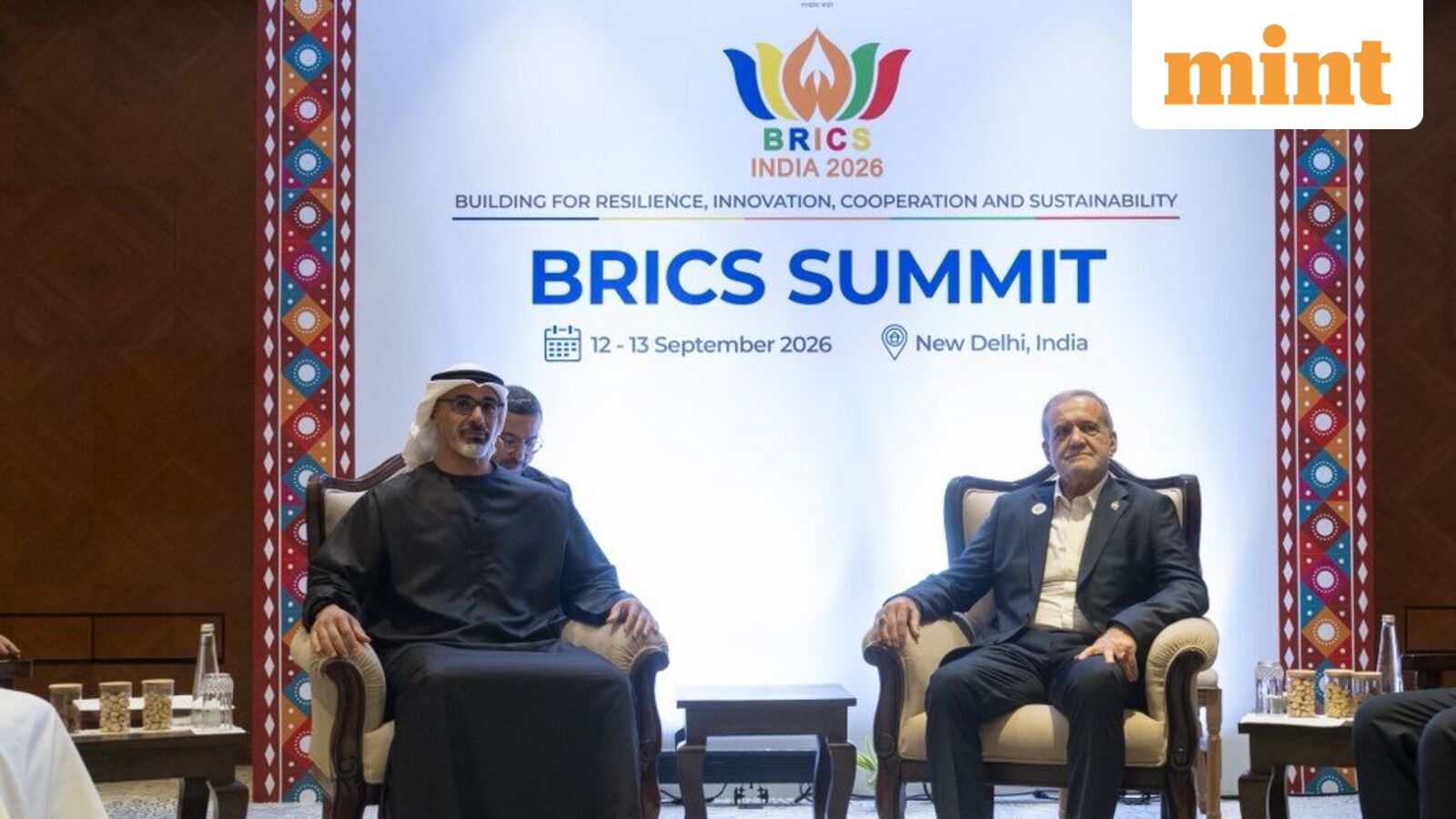
Timeline · 7 moments
Iran calls for expanded use of national currencies in BRICS trade
Tehran Times ↗Pezeshkian warns US and Israel during New Delhi visit
newindianexpress.com ↗India urges Iran and UAE to support BRICS declaration
Times of India ↗Pezeshkian and Modi discuss strengthening bilateral ties
Indian Express ↗Modi and Pezeshkian handshake highlights India's diplomatic strategy
NDTV India ↗Iran in talks with BRICS for NDB membership
ISNA (English) ↗Iranian and UAE leaders meet on sidelines of BRICS summit
Middle East Eye ↗How it started
India and Iran have a long history of diplomatic and economic engagement, but their relationship has often been affected by regional instability and international sanctions. In recent years, India has tried to balance its ties with Iran, the United States, and Israel, navigating complex geopolitical dynamics.
The BRICS Business Forum in New Delhi provided a key opportunity for both nations to reset and strengthen their cooperation. With global economic uncertainty and rising tensions in the Middle East, both countries appeared motivated to pursue more independent and mutually beneficial ties.
How it unfolded
On September 11, 2026, Iranian President Masoud Pezeshkian urged BRICS members to expand the use of national currencies in trade, aiming to reduce dependence on the US dollar, according to Tehran Times. That same day, Pezeshkian made clear in New Delhi that Iran would not be bullied by the United States or Israel, as reported by newindianexpress.com.
During the summit, India expressed hope that Iran and the UAE would support the BRICS declaration, signaling India's desire for broader regional cooperation, noted Times of India. Pezeshkian met with Prime Minister Modi to discuss ways to revive and enhance bilateral relations, focusing on trade and technology, Indian Express wrote.
A widely shared image of Modi and Pezeshkian hand-in-hand reflected India's strategic diplomacy, engaging with Iran and Russia while keeping channels open to other global powers, NDTV India observed. Pezeshkian described relations with Modi as increasingly positive, according to India Today.
On September 12, Iranian Foreign Minister Abbas Araghchi confirmed that Iran was in talks with BRICS members to facilitate its accession to the bloc's New Development Bank, ISNA (English) reported. Pezeshkian also met with the UAE Crown Prince in New Delhi, underscoring Iran's efforts to expand regional dialogue, Middle East Eye noted.
Where it stands
India and Iran have reaffirmed their commitment to closer cooperation, particularly in economic and technological sectors. Iran is actively seeking to join the BRICS New Development Bank, hoping this move will help it circumvent some effects of Western sanctions.
Despite ongoing tensions with the United States and Israel, both Indian and Iranian leaders have emphasized dialogue and peaceful engagement. The meetings in New Delhi have positioned India as a potential mediator and highlighted its unique diplomatic role in the current international climate.
What to watch
The next steps will involve whether Iran successfully joins the BRICS New Development Bank and how this might impact its economic position. Observers are also watching if India can maintain its balancing act amid persistent US-Israel-Iran tensions, and whether these diplomatic efforts lead to concrete projects or agreements between India and Iran.
More in Politics
All →
Trump Backs Irish Reunification During Visit, Sparking UK Unionist Backlash
Donald Trump expressed support for a united Ireland during his visit, causing political controversy and drawing criticism from unionist groups.
28 sources · over 6 days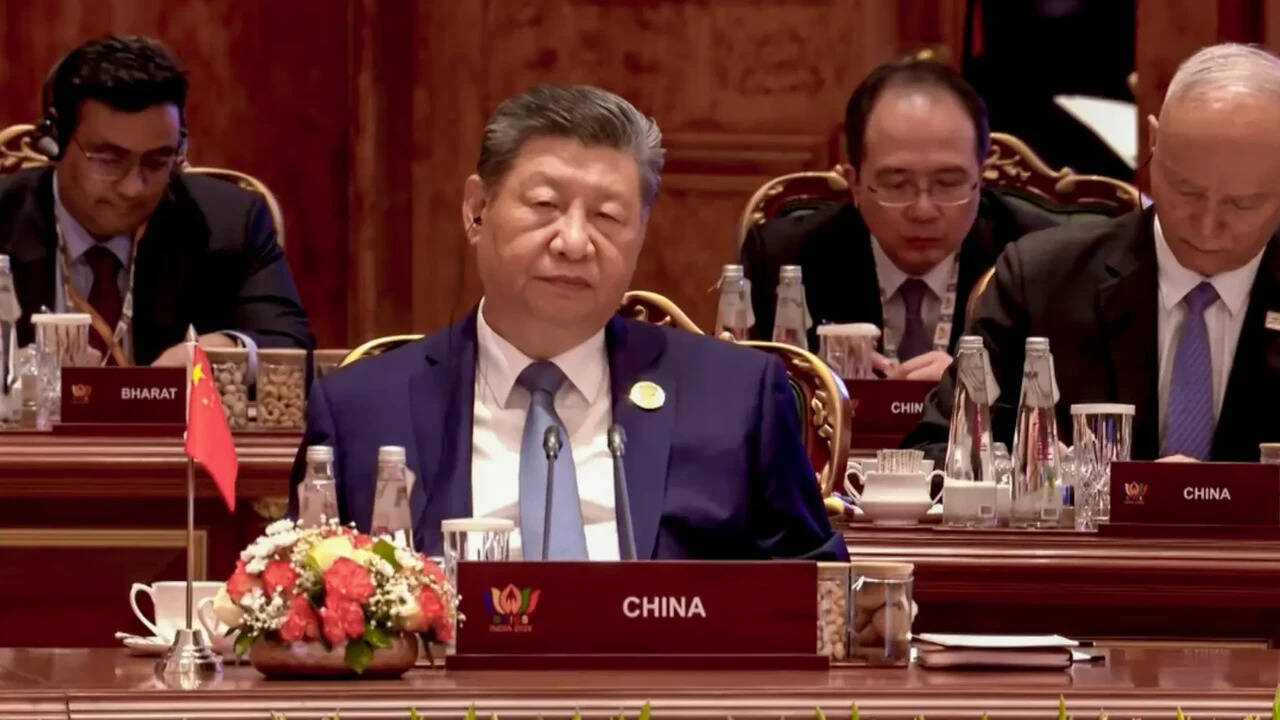
BRICS Summit Calls for Restraint and Mediation in Middle East Crisis
Leaders at the BRICS summit in India have urged member nations to take an active role in addressing rising tensions in the Middle East, highlighting the global impact of the ongoing conflict.
10 sources · over 2 days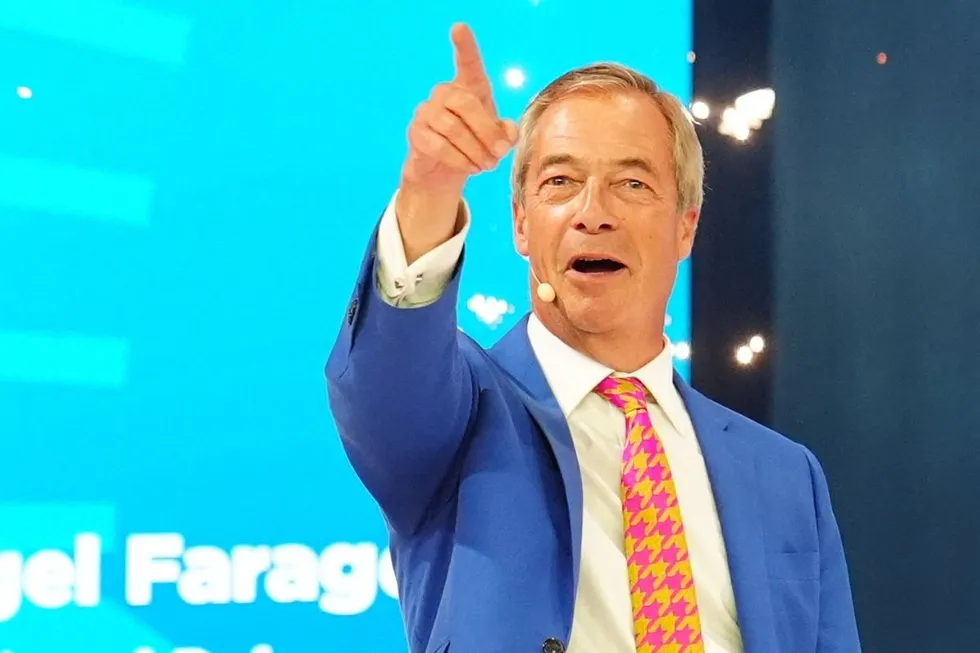
Reform UK Receives Record £72 Million in Donations from Crypto Billionaires
Reform UK, led by Nigel Farage, has received two separate £36 million donations from cryptocurrency billionaires, marking the largest sums ever given to a British political party ahead of the general election.
14 sources · today