India Launches Semicon India 2026 With Major Push for Chip Manufacturing
With over 600 exhibitors and major global players, Semicon India 2026 signals India's determination to emerge as a semiconductor manufacturing hub amid surging demand and strategic investments.
By Nadia Hussain · First published 17 Sept 2026
In brief
- Semicon India 2026 opened in New Delhi on September 17 with more than 600 companies participating.
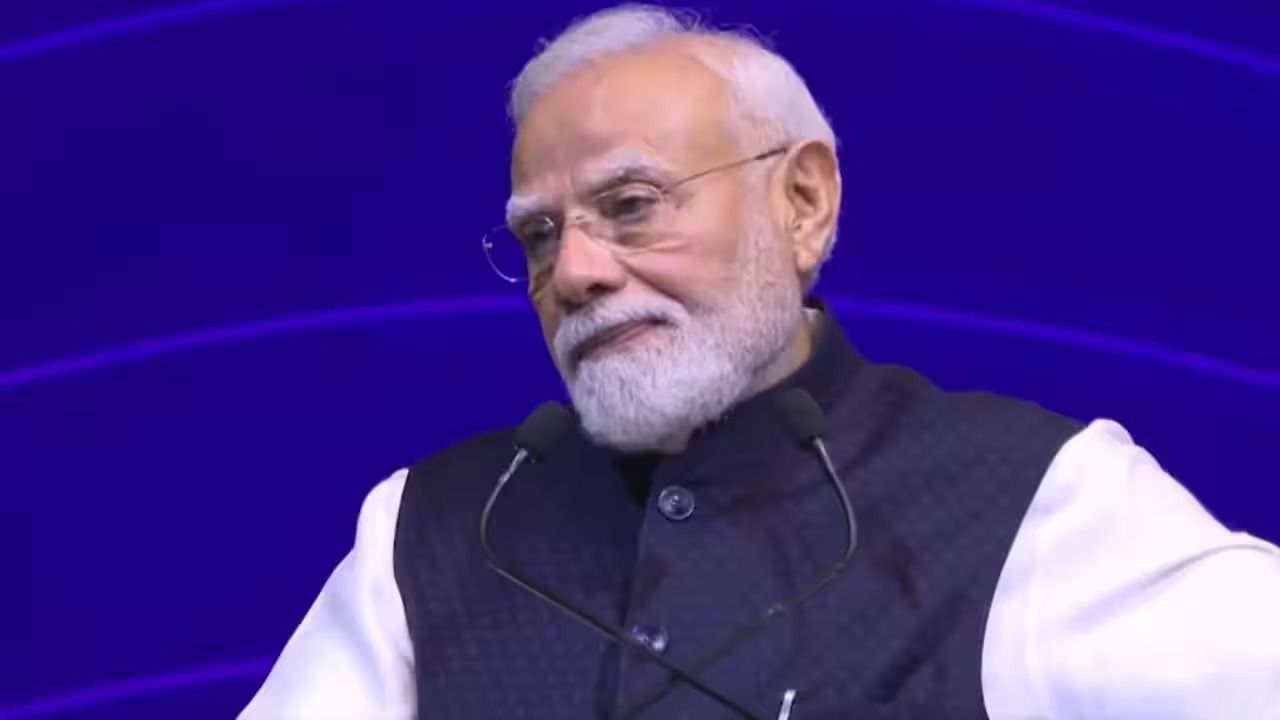
- Prime Minister Narendra Modi inaugurated the event, highlighting India's ambition to become a global leader in semiconductor production.
- The conference included meetings between Modi and top tech CEOs to discuss collaboration and investment in India's chip industry.
- India has committed $30 billion to boost semiconductor manufacturing and aims to expand its share in the global market.
- The event marks the start of India's second phase in its semiconductor journey, focusing on commercial chip production and design innovation.
Timeline · 6 moments
PM Modi meets global semiconductor CEOs ahead of summit
Business Line - Home ↗PM Modi urges top tech CEOs to collaborate with India
NDTV India ↗Semicon India 2026 opens in New Delhi with 600 exhibitors
Daily GK Update ↗Modi inaugurates Semicon India 2026, outlines India's chip ambitions
Times of India ↗India's semiconductor ecosystem expanding rapidly, says Modi
The Hindu - Technology ↗Infineon CEO highlights India's role in global innovation
Business Line - Home ↗How it started
India has long aimed to become a significant player in the global semiconductor industry, recognizing chips as a backbone for electronics, telecom, and emerging technologies. Growing domestic demand and supply chain concerns have prompted a national push to develop local manufacturing capabilities.
The government began laying the groundwork by engaging with industry leaders and offering incentives to attract international investment. By 2026, India positioned itself to host Semicon India 2026, its fifth major industry event, signaling a more aggressive phase in its semiconductor ambitions.
How it unfolded
On September 16, Prime Minister Modi held a roundtable with global semiconductor CEOs, discussing opportunities in manufacturing, design, talent, and infrastructure, as reported by Business Line - Home. He emphasized the importance of government-industry collaboration to shape India's technological future, according to NDTV India.
The following day, September 17, Semicon India 2026 officially began at Yashobhoomi in New Delhi. Over 600 exhibitors, including 300 international companies, showcased their products and solutions, according to Daily GK Update.
During his inaugural speech, Modi announced that India had entered the second phase of its semiconductor journey, moving from capability development to commercial chip production, as described by Times of India. He stressed that India's expanding semiconductor ecosystem was opening new opportunities for innovation, investment, and global collaboration, according to The Hindu - Technology.
Industry leaders like Infineon's CEO highlighted India's growing relevance as both a market and a source of technological innovation, demonstrating increased international confidence in India's semiconductor trajectory.
Where it stands
Semicon India 2026 is underway, drawing strong participation from both domestic and international semiconductor firms. The event has become a platform for high-level discussions about India's $30 billion investment in chip manufacturing and its strategic role in global supply chains.
India's leadership is framing this moment as a turning point, with real momentum toward commercial chip production and increased focus on chip design and research. The current phase is marked by optimism and a sense of urgency to convert plans into operational factories and partnerships.
What to watch
The next steps involve translating investment pledges and partnerships into tangible manufacturing projects and research initiatives. Observers will be watching how quickly India can ramp up production and whether major global companies set up large-scale operations within the country.
More in Business
All →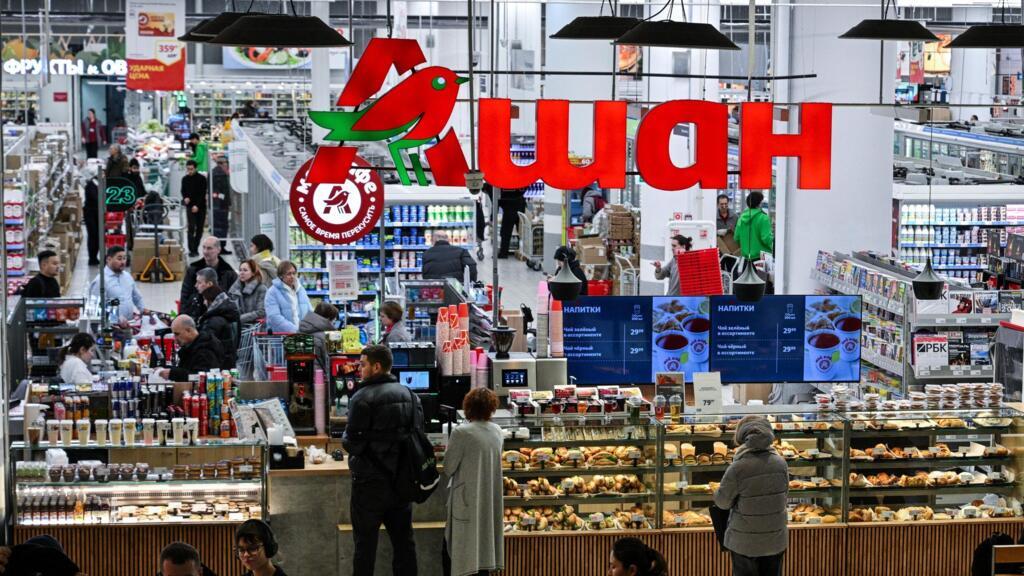
Putin Orders Nestlé's Russian Assets Into State Control Amid Growing Tensions
Russian authorities have placed Nestlé's Russian operations under state management, escalating uncertainty for foreign companies as Nestlé considers possible legal and strategic responses to protect its interests.
8 sources · today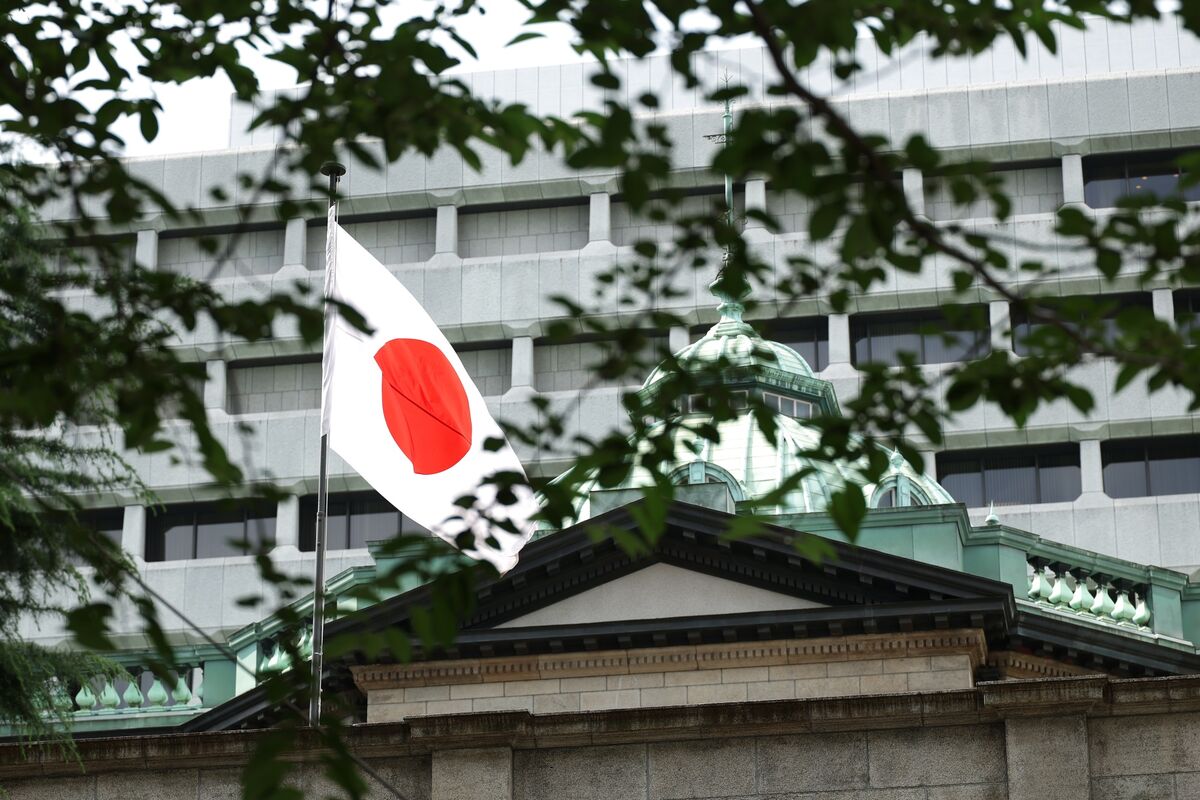
Japan's Inflation Slows as Bank of Japan Raises Interest Rates to 31-Year High
Japan's inflation rate slowed in August, prompting the central bank to hike interest rates to their highest level since 1995, signaling a shift in monetary policy.
14 sources · today
Clearlake Capital Now Owns 86.5% of Chelsea, Boehly Exits as Chairman
Clearlake Capital has increased its stake in Chelsea FC to 86.5 percent, with Todd Boehly stepping down as chairman.
15 sources · today