Inflation in France, Italy, and Eurozone Hits Highest Levels in Years
Soaring energy and food prices have pushed inflation rates in France, Italy, and across the Eurozone to their highest points since 2023, straining household budgets and raising economic concerns.
By Hushread Stories, written with AI from 9 outlets · First published 2 Oct 2026
In brief
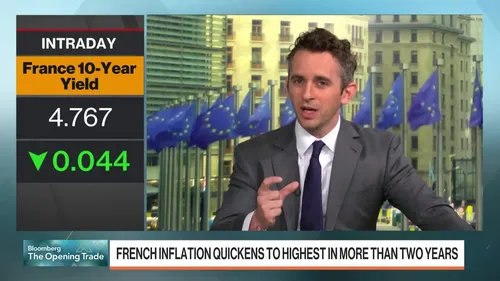
- Inflation in France accelerated to 3.4 percent, reaching its highest level in more than two years.
- Italy's inflation rate jumped to 4.2 percent in September, the steepest increase seen in three years.
- Energy and food prices are the main drivers behind the recent surge in inflation across both countries.
- The Eurozone's overall inflation hit 3.8 percent in September, marking a three-year high across member states.
- These rising inflation rates have led to growing worries for consumers and may prompt further action from central banks.
Timeline · 5 moments
French inflation rises to two-year high at 3.4 percent
Bloomberg ↗Italy's inflation hits 4.2 percent, highest in three years
Euronews ↗Cost increases hit Italian households hardest for food and heating
The Local ↗Eurozone inflation reaches three-year high at 3.8 percent
Bloomberg Economics ↗Analysts expect possible rate hike by European Central Bank
CNBC International ↗How it started
Inflation in Europe began rising steadily through 2026, with energy prices playing a leading role. Oil and natural gas costs surged, putting pressure on households and businesses. By late September, both France and Italy were reporting rapid increases in consumer prices, particularly for essentials like fuel and fresh food. This uptick followed a period of relative stability but quickly became a top concern for consumers and policymakers.
How it unfolded
On September 30, 2026, Bloomberg reported that France's inflation rate had climbed to 3.4 percent, marking its fastest pace in over two years. The report attributed much of this increase to higher energy costs. The same day, Euronews and other Italian outlets revealed that inflation in Italy had reached 4.2 percent in September, its highest level since 2023. Italian statistics agency Istat noted that both energy goods and fresh food prices were pushing the index higher, and consumer confidence was dropping as a result.
By October 1, The Local confirmed that Italian households were particularly affected by rising costs for heating and groceries. Reports highlighted that the inflation spike was not isolated to one country but was part of a broader trend across the region.
On October 2, the focus shifted to the Eurozone as a whole. Bloomberg Economics and CNBC International both reported that Eurozone inflation had reached 3.8 percent for September, the highest level in three years. Analysts began to speculate that the European Central Bank might respond with further interest rate hikes to control price growth.
Where it stands
As of early October 2026, France, Italy, and the broader Eurozone are experiencing their highest inflation rates since 2023. The increases are most acute in essential goods, especially energy and food. Consumers are feeling the impact in daily expenses, and economic confidence is declining. Central banks and governments are now under pressure to respond to the ongoing inflation surge.
What to watch
Attention is now on whether the European Central Bank will raise interest rates further to curb inflation. There is also growing concern about how long elevated prices for energy and food will persist, and what additional measures governments might take to ease the burden on households.
More in World
All →
French Student Protests Shut 400 Schools, Nearly 2,000 Arrested
Widespread violence and property damage have led to the closure of hundreds of schools and almost 2,000 arrests across France.
45 sources · over 5 days
US Deploys Third Aircraft Carrier and 10,000 Troops to Middle East Amid Iran Tensions
The US has sent a third aircraft carrier and thousands more troops to the Middle East as President Trump considers military strikes against Iran, raising fears of a wider conflict in the region.
17 sources · over 2 days
Cornell Faces Lawsuit and Reopened Probe Over Alleged Fraternity Gang Rape
A former Cornell student's lawsuit accusing fraternity members of gang rape has led prosecutors to reopen the case, raising questions about the university's response and disciplinary actions.
42 sources · over 5 days