French High School Protests Escalate With Hundreds Arrested Amid Clashes
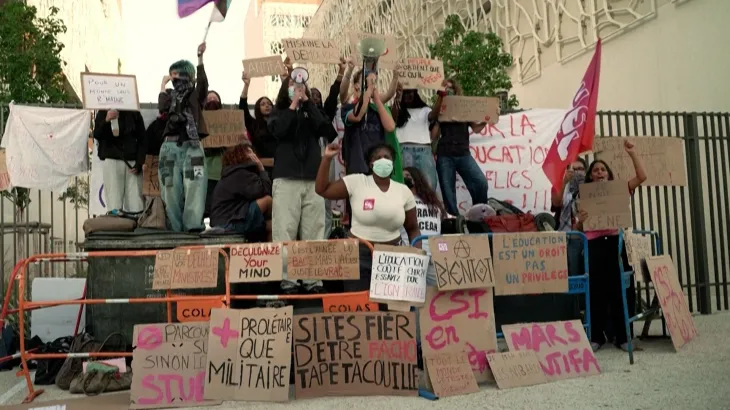
Student protests over funding and conditions in French high schools have intensified, leading to widespread school blockades, violent clashes with police, and over 440 arrests across the country this week.
By Hushread Stories, written with AI from 15 outlets · First published 30 Sept 2026
In brief
- French high school students began protesting last week over overcrowded classes, teacher shortages, and deteriorating school conditions.
- The demonstrations quickly spread from Paris to other cities, resulting in blockades at more than 180 schools nationwide.
- Violent clashes between students and police have led to dozens of injuries among both protesters and security forces.
- Authorities report over 440 arrests, most of them minors, as the protests escalated on September 29.
- Political leaders are publicly blaming each other for the unrest, with the situation unfolding ahead of the 2027 presidential election.
Timeline · 6 moments
Student protests erupt at 180 French high schools
Le Monde ↗Violent clashes leave 27 injured and 164 arrested
nu.nl ↗Political leaders clash over handling of student protests
© Sameer Al-DOUMY, AFP ↗Protests spread beyond Paris, blockades intensify nationwide
The Local ↗Police announce 440 arrests, most of them minors
Franceinfo ↗Public sector workers join in nationwide strike as protests continue
Al Jazeera ↗How it started
The wave of protests began with French high school students voicing frustration over worsening conditions in their schools. Complaints focused on overcrowded classrooms, shortages of teachers, and a lack of resources. The main high school student union called for blockades and demonstrations to demand immediate improvements.
Initial actions were mostly limited to Paris and its suburbs, but students in other regions soon joined in. Their demands centered on reversing recent budget cuts and addressing what they described as neglect of public education.
How it unfolded
By September 28, protests had spread to at least 180 schools across France. Students blocked entrances and staged demonstrations, sometimes clashing with police called in to disperse crowds. That day, authorities reported 164 arrests and at least 27 injuries, including both students and police officers. Some teachers and school staff were also injured, according to multiple reports.
As the movement gained traction, student organizers announced a major day of action to coincide with a broader public sector strike. The protests became more widespread and intense, moving beyond the Paris region to cities like Rennes and others.
On September 29, the situation escalated further. The Interior Minister announced that police had made 440 arrests, a dramatic increase in detentions. Most of those arrested were minors. Violent confrontations continued, with images showing police in riot gear at school gates and students forming barricades.
The unrest drew sharp responses from politicians. The prime minister condemned the escalation, calling it irresponsible. Opposition leaders, including those on the far left, blamed the government for failing to address student concerns. The political tensions are heightened by the approach of the 2027 presidential election.
Where it stands
The protests have now become a nationwide movement, with hundreds of schools affected and a significant police response. Arrests have surpassed 440, and the majority of those detained are minors. Injuries have been reported on both sides, and authorities are warning against further escalation.
With the demonstrations now intertwined with wider public sector strikes, the situation remains tense. The issue has also become a flashpoint in national politics, as leaders debate responsibility and next steps.
What to watch
Student unions have called for continued action, and further protests or blockades could take place in the coming days. The government's response will be closely watched, especially as political pressure mounts ahead of the presidential election. The key question is whether negotiations or policy changes will address student demands, or if the unrest will persist.
More in World
All →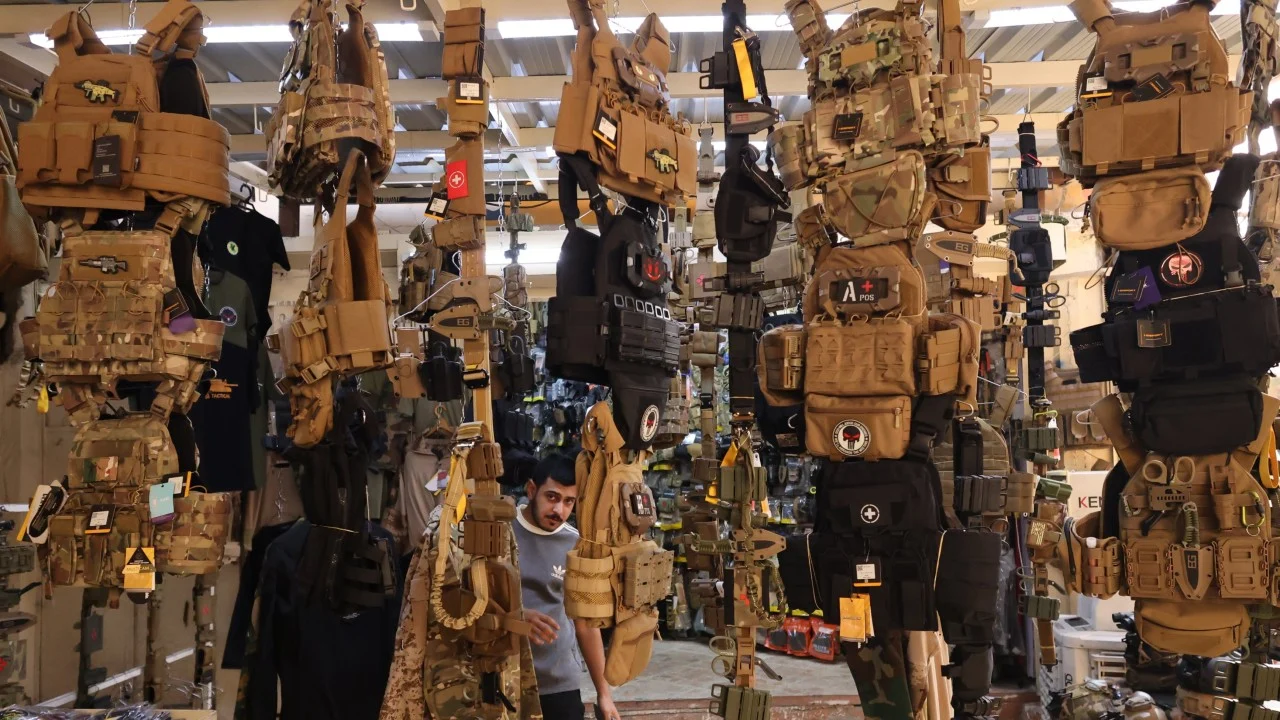
US Forces Complete Withdrawal from Iraq After 23 Years, Shifting Power in Region
The US military has left Iraq, closing a chapter that began with the 2003 invasion and raising urgent questions about security, regional influence, and Iraq's future stability.
26 sources · over 2 days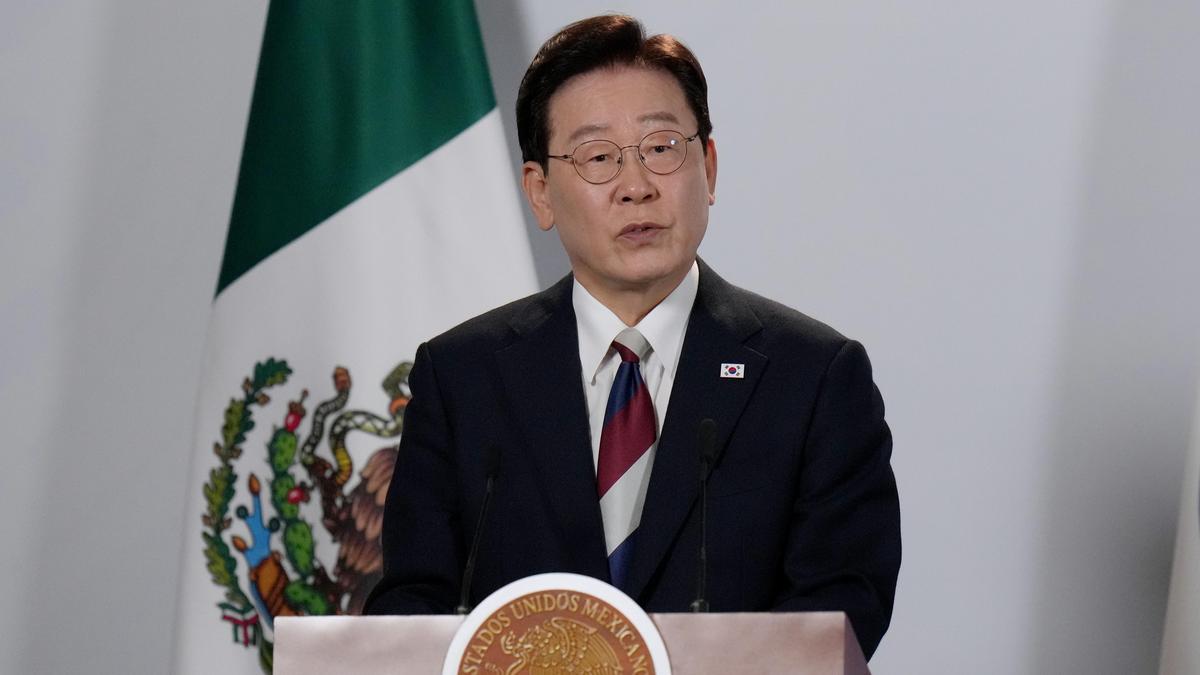
South Korea Demands Apology After Ukraine Reveals POW Transfer Deal
South Korea has demanded an official apology from Ukraine after details emerged about the confidential transfer of North Korean prisoners of war, straining ties between the two countries.
20 sources · over 3 days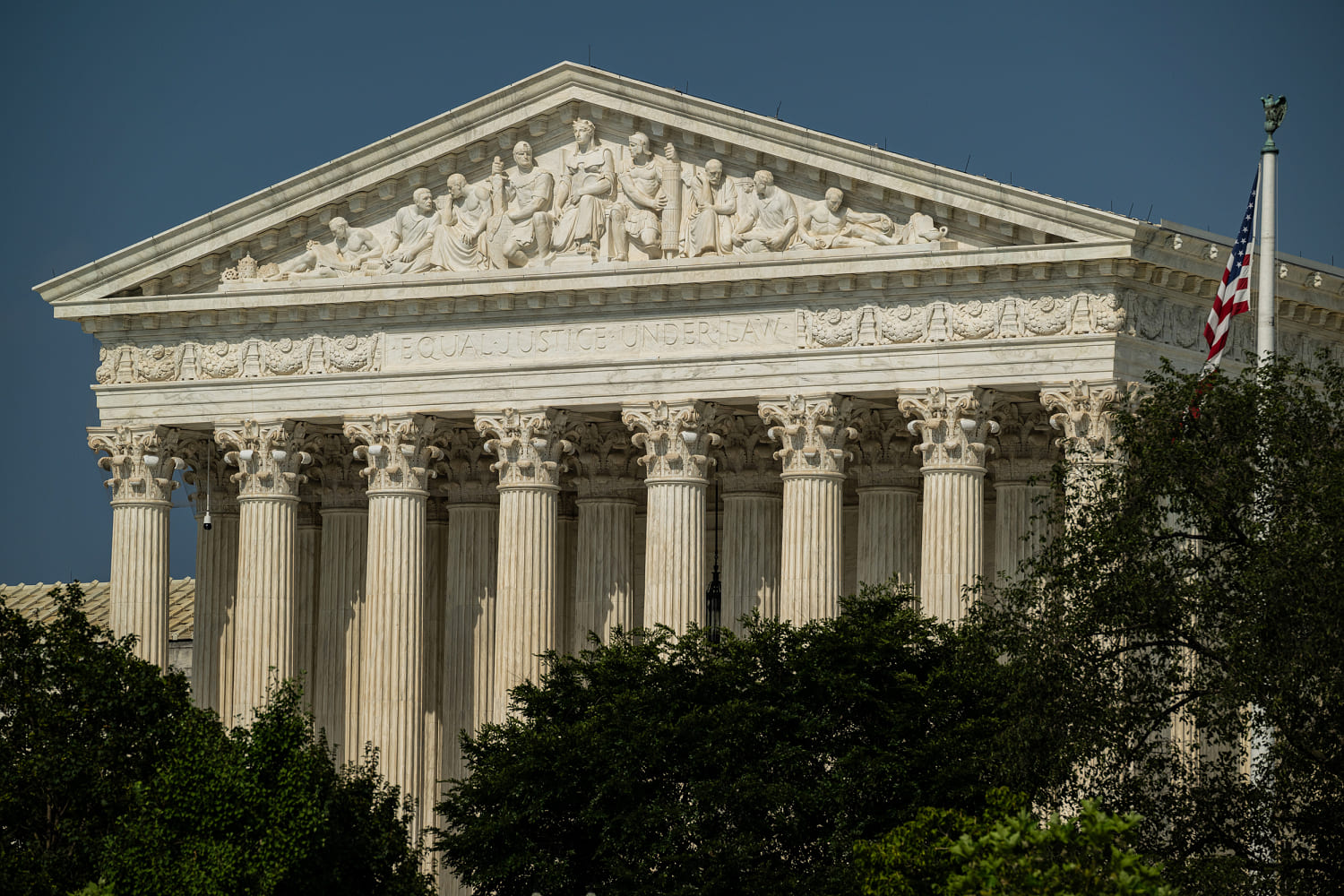
Supreme Court Allows Trump Third-Country Deportation Policy to Continue for Now
The Supreme Court has cleared the way for the Trump administration to resume deporting migrants to third countries, a move with immediate effects on US immigration policy as legal challenges continue.
21 sources · today