South Korea Demands Apology After Ukraine Reveals POW Transfer Deal
South Korea has demanded an official apology from Ukraine after details emerged about the confidential transfer of North Korean prisoners of war, straining ties between the two countries.
By Mei-Ling Chao · First published 28 Sept 2026
In brief
- South Korea and Ukraine had a confidential agreement about transferring North Korean prisoners of war captured in Ukraine.
- Ukrainian President Zelensky disclosed the transfer of two North Korean POWs to South Korea during a United Nations speech.
- South Korea accused Ukraine of violating the confidentiality agreement and of denying that the agreement ever existed.
- The incident has led to a diplomatic dispute and increased tensions between Seoul and Kyiv.
- South Korea is demanding a formal apology and explanation from Ukraine to address the breach and restore trust.
Timeline · 6 moments
Ukraine captures two North Korean soldiers fighting for Russia
Le Monde ↗Zelensky discloses POW transfer to South Korea at UN
The Hindu ↗South Korea criticizes Ukraine for denying POW deal
Al Jazeera ↗Seoul demands apology over POW disclosure
South China Morning Post ↗Diplomatic tensions rise over North Korean POWs
Deutsche Welle ↗South Korea awaits Ukrainian response to apology demand
Bloomberg ↗How it started
The controversy began after North Korean soldiers, reportedly fighting alongside Russian troops in Ukraine, were captured by Ukrainian forces. These soldiers were part of a foreign contingent sent to support Russia during its ongoing conflict with Ukraine. According to Euronews, North Korea had deployed troops to assist its Russian ally, leading to their capture on the battlefield.
Behind the scenes, South Korea and Ukraine reached a confidential agreement regarding the transfer of these prisoners of war to Seoul. Both countries agreed to keep this arrangement secret, given the sensitive nature of North Korea's involvement and the broader geopolitical implications.
How it unfolded
On September 27, 2026, Ukrainian President Volodymyr Zelensky revealed during a United Nations address that his country had sent two North Korean soldiers, captured in Ukraine, to South Korea. He described the soldiers as "not easy to capture alive" according to The Hindu.
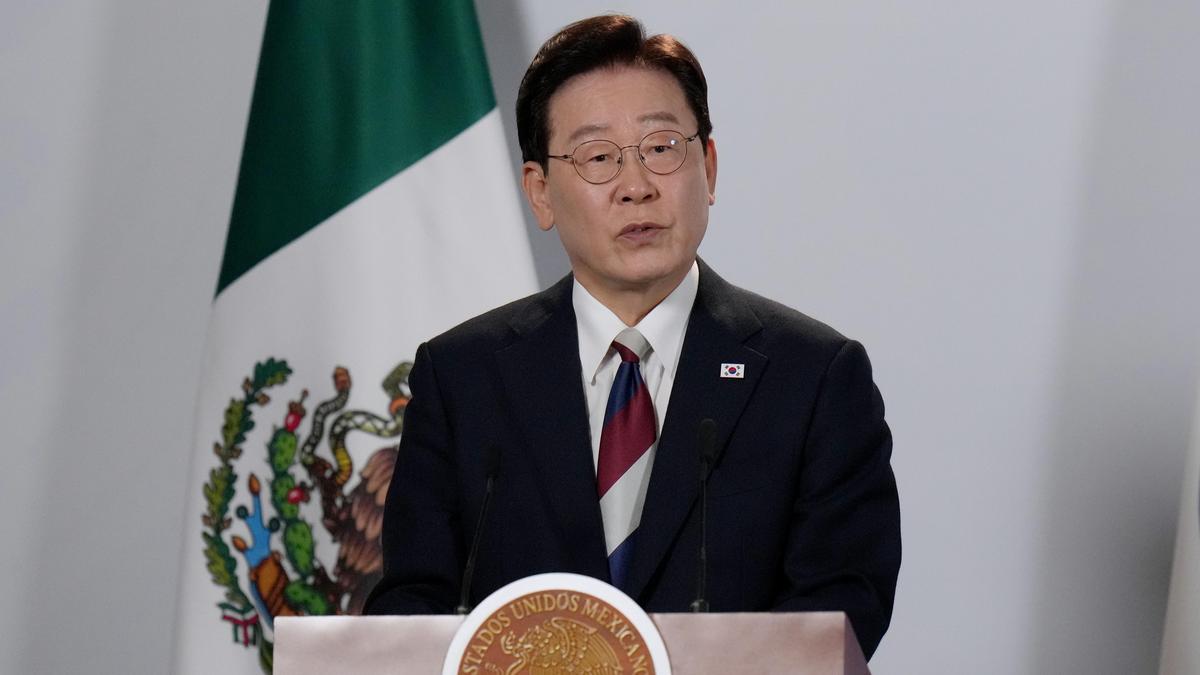
This public disclosure came as a shock to South Korea, which believed there was a strict agreement to keep the matter confidential. Following the revelation, South Korea's presidential office criticized Ukraine not only for breaking the confidentiality but also for publicly denying that any nondisclosure agreement existed, as reported by Al Jazeera.
Diplomatic tensions quickly escalated. By September 28, South Korea had officially demanded an apology and explanation from Ukraine, accusing Kyiv of violating trust between the two governments. According to Bloomberg, Seoul insisted that Ukraine's actions had breached the confidential deal and further damaged bilateral relations.
Media outlets across Europe and Asia reported on the souring of ties, with Le Monde and Deutsche Welle both highlighting how the incident has become a significant stumbling block in South Korea-Ukraine relations.
Where it stands
As of late September 2026, the diplomatic fallout continues. South Korea remains firm in its demand for a formal apology and public acknowledgment from Ukraine regarding the breach of their confidential agreement. Ukraine has not yet issued an apology, and the situation remains unresolved.
The dispute has strained relations between Seoul and Kyiv, with trust significantly eroded. Both sides are now facing questions from international observers about the handling of sensitive military and diplomatic matters.
What to watch
Observers are waiting to see if Ukraine will issue the apology and explanation that South Korea demands. The outcome could affect future cooperation and diplomatic exchanges between the two countries, especially in areas related to security and international alliances.
More in World
All →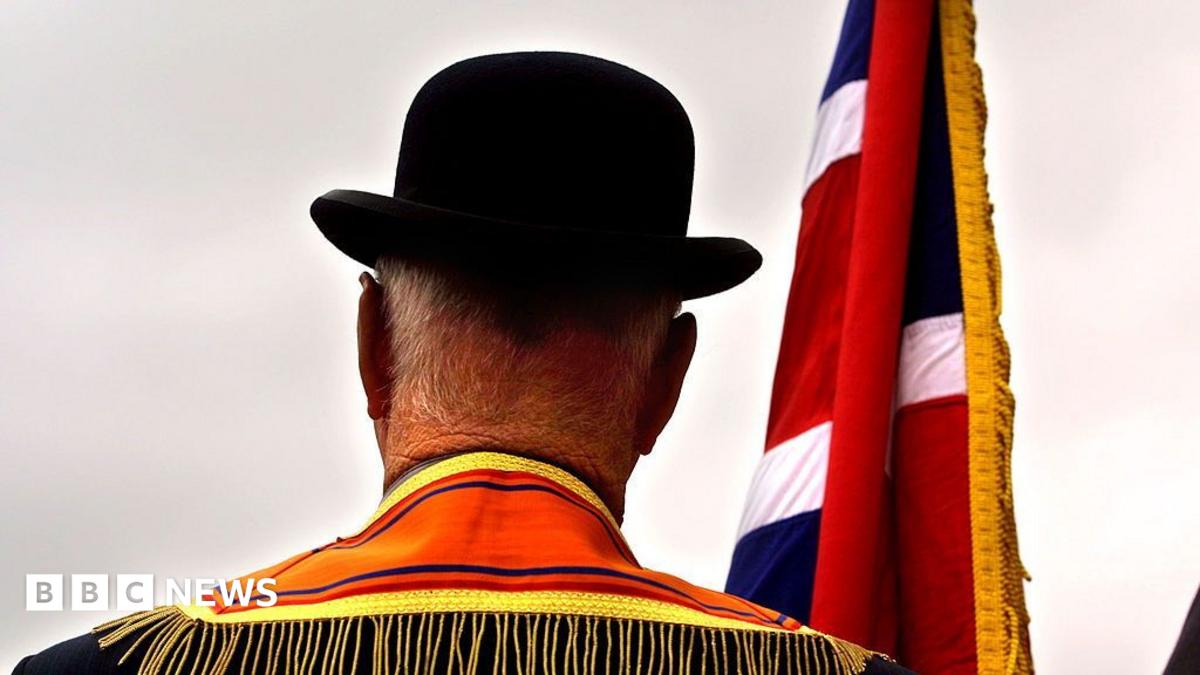
Orange Order Parade Blocked by Thousands on Garvaghy Road
Protesters physically blocked the Orange Order parade in Portadown, leading to a tense standoff and the march being halted.
24 sources · over 7 days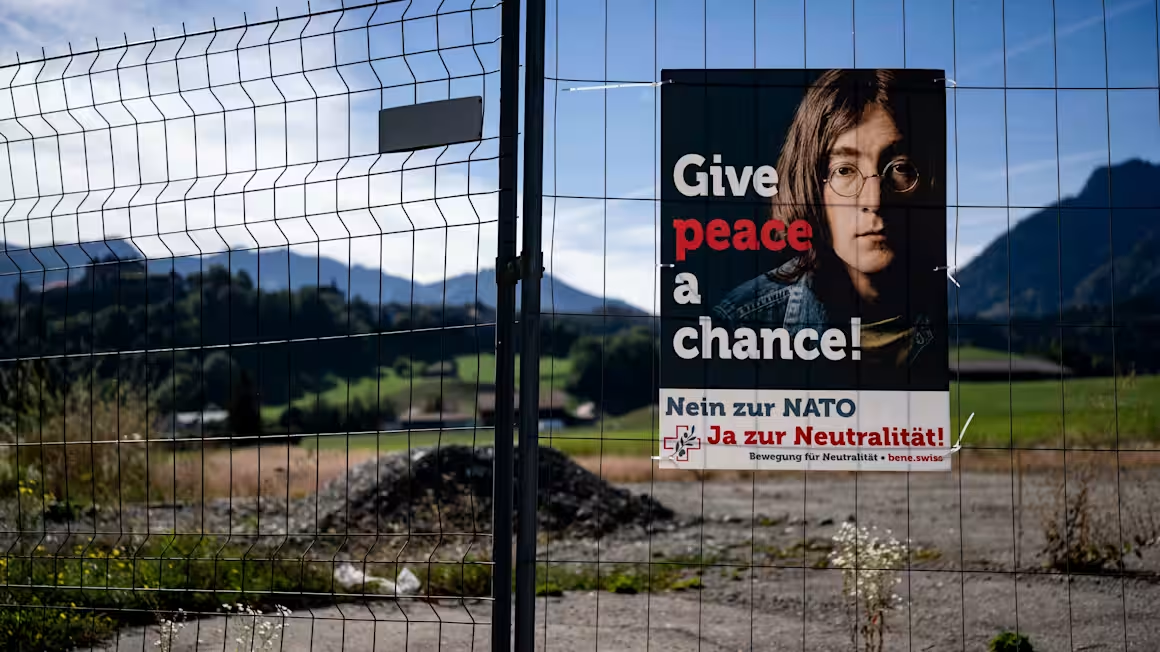
Swiss Voters Reject Neutrality Tightening by Over 70 Percent
Final results show more than 70 percent of Swiss voters rejected stricter neutrality rules, with all cantons voting no.
26 sources · over 5 days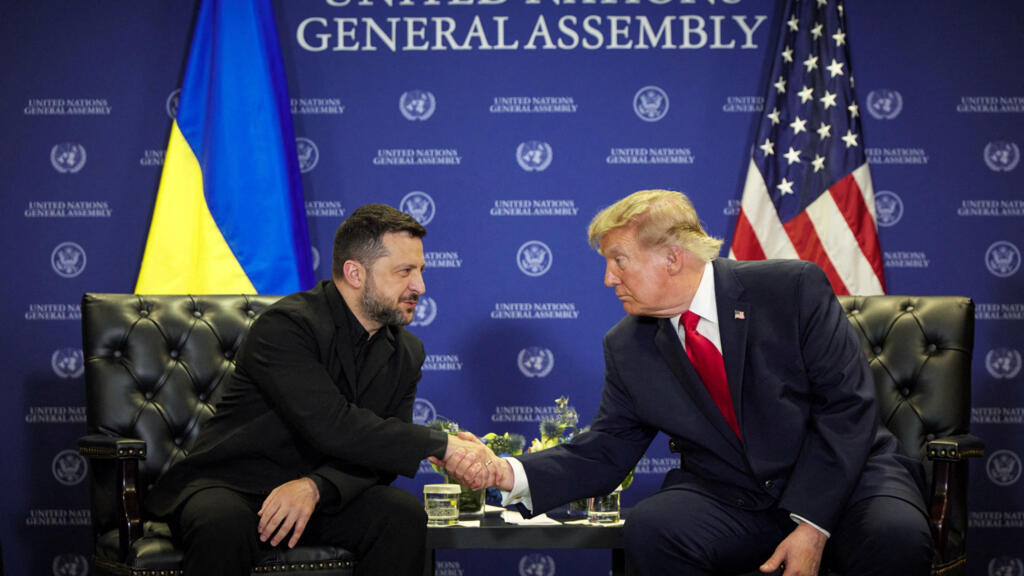
Zelensky Proposes Energy Ceasefire With Russia After Meeting Trump in New York
Ukrainian President Zelensky has offered to halt strikes on Russian energy sites if Moscow does the same, aiming to de-escalate the conflict before winter sets in.
44 sources · over 9 days