Supreme Court Allows Trump Third-Country Deportation Policy to Continue for Now
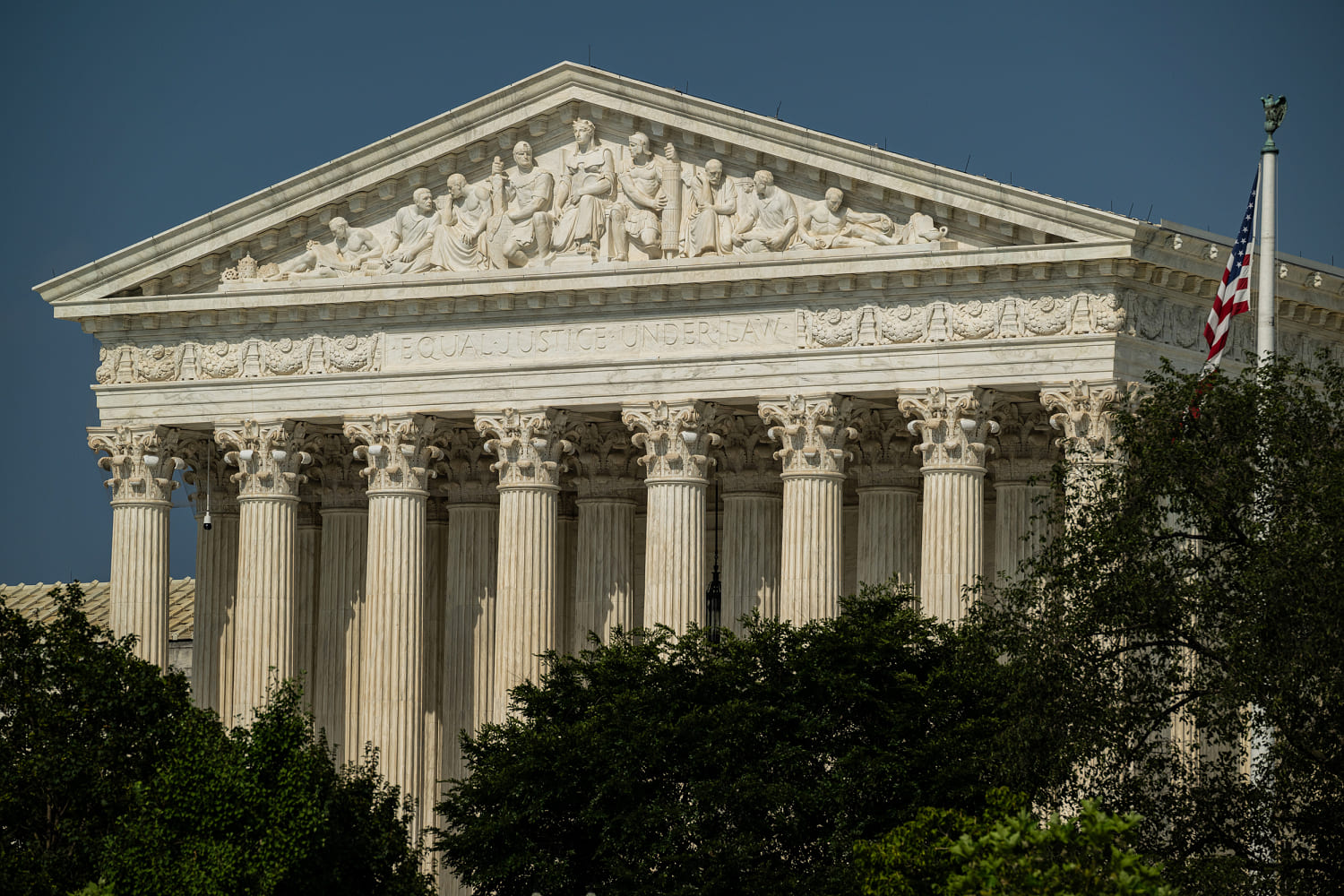
The Supreme Court has cleared the way for the Trump administration to resume deporting migrants to third countries, a move with immediate effects on US immigration policy as legal challenges continue.
By Hushread Stories, written with AI from 8 outlets · First published 29 Sept 2026
In brief
- The Supreme Court has permitted the Trump administration to continue deporting migrants to countries other than their own.
- This policy allows for rapid removal of immigrants to nations where they have no prior connection.
- The decision comes after lower courts had previously blocked the enforcement of the third-country deportation policy.
- The Supreme Court's order is temporary, as it plans to hear arguments on the policy's legality in December.
- The ruling affects migrants currently in the United States who may now face deportation to third countries.
Timeline · 4 moments
Supreme Court lifts block on third-country deportation policy
NBC News ↗Court announces it will hear arguments on policy legality in December
The New York Times ↗Policy allows rapid deportation to countries with no prior migrant ties
Axios ↗Court issues unsigned order allowing deportations to resume
CBS Top Stories ↗How it started
The Trump administration introduced the third-country deportation policy as part of its broader efforts to tighten US immigration rules. Under this policy, certain migrants seeking asylum or entering the United States can be sent to countries other than their homeland, even if they have no previous ties there.
Legal challenges quickly followed, with opponents arguing the policy could expose migrants to danger and deny them fair consideration of their asylum claims. Several lower courts issued orders blocking the policy, leaving its future uncertain as the cases made their way through the legal system.
How it unfolded
On September 29, 2026, the Supreme Court stepped in and lifted restrictions that had halted the enforcement of the third-country deportation policy. According to NBC News, this was the second time the Court had intervened to allow the administration to proceed with these deportations.
At the same time, The New York Times reported that the Supreme Court announced it would hear arguments on the legality of the policy in December. This means the current order is a temporary measure while the legal review continues.
Axios and The Hill confirmed that the policy can now be enforced, allowing the government to deport migrants to countries where they may have no connections. The ruling was issued as an unsigned order, and the justices did not provide detailed reasoning at this stage.
The Guardian highlighted that the policy does not require authorities to provide migrants with an opportunity to challenge their deportation on humanitarian grounds. This aspect has been a major point of contention among critics and immigrant advocacy groups.
Where it stands
The Supreme Court's decision means the Trump administration can immediately resume deportations under the third-country policy. Migrants in the US may now face removal to third countries as the legal battle continues.
The Court's order is not a final ruling on the policy's legality. A definitive decision will come after oral arguments are heard later this year. For now, the policy remains in effect and will shape how immigration cases are handled at the border.
What to watch
The Supreme Court is scheduled to hear arguments on the policy in December. The outcome will determine whether the third-country deportation rule becomes a permanent part of US immigration law or is struck down. Until then, both migrants and immigration authorities face ongoing uncertainty about the rules governing deportations.
More in World
All →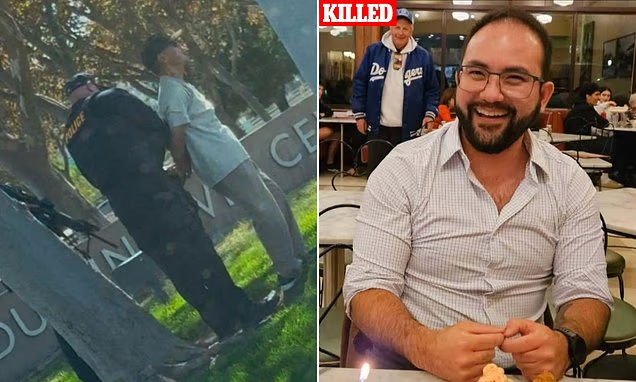
New York Times Tech Executive Shot Dead by In-Laws in California Parking Lot
A senior New York Times tech executive was killed by his elderly in-laws in a Bay Area parking lot, raising questions about motive and ongoing investigations into his recent legal troubles.
20 sources · over 2 days
Four CISF Personnel Killed by Colleague at Kathua Camp in Jammu and Kashmir
A fatal shooting at a CISF camp in Kathua district has left four personnel dead, raising serious concerns about internal security within Indian paramilitary forces.
8 sources · today
US Ban on Canadian Imports Expands to Include Motorcycles
The US trade ban now covers Canadian motorcycles in addition to alcohol and dairy, escalating tensions and affecting American businesses.
13 sources · over 2 days