Israel's Supreme Court Lifts Ban on Arab Parties Ahead of 2026 Elections
Israel's Supreme Court has unanimously overturned a ban on Arab parties, allowing them to participate in the pivotal October 27 parliamentary elections after a controversial exclusion.
By Hushread Stories, written with AI from 8 outlets · First published 2 Oct 2026
In brief
- The Central Election Committee had previously disqualified major Arab parties from contesting the October 2026 parliamentary elections.
- Israel's Supreme Court unanimously ruled on October 2 that the ban on Arab parties was invalid and must be reversed.
- The decision specifically allows the United List and Raam, the two main Arab-led parties, to stand in the upcoming vote.
- The court's ruling comes just weeks before the scheduled elections, restoring full participation for Arab political groups.
- Analysts say the inclusion of Arab parties could significantly impact coalition-building and the balance of power in the next Knesset.
Timeline · 3 moments
Supreme Court hears challenge to Arab party ban
DER SPIEGEL - Schlagzeilen – Tops ↗Court unanimously overturns exclusion of Arab parties
CNN Brasil ↗Arab parties officially reinstated for October 27 elections
La Repubblica ↗How it started
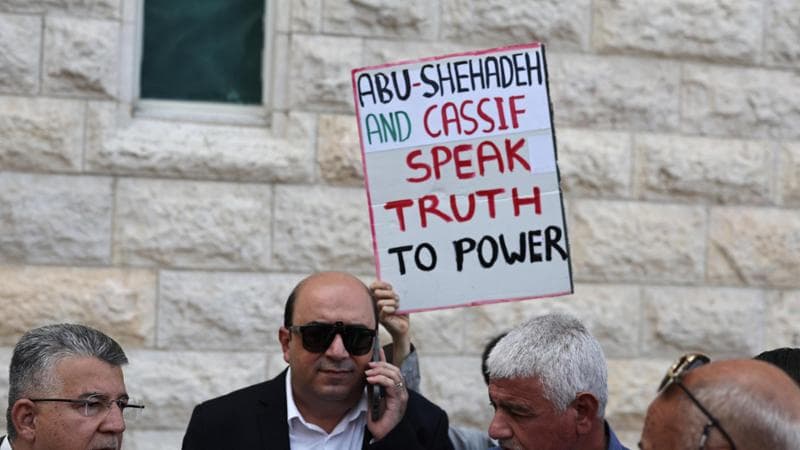
The lead-up to Israel's October 2026 parliamentary elections saw increasing tensions over who would be allowed to run. The Central Election Committee, which oversees the electoral process, decided to ban the main Arab political parties from standing in the election. This move was met with strong criticism from the affected parties, who called the reasons for exclusion discriminatory and politically motivated, as reported by multiple outlets.
The exclusion of Arab parties sparked debate inside Israel and drew attention from international observers. Many saw the ban as a test of the country's democratic values and its treatment of minority political groups.
How it unfolded
On October 2, 2026, Israel's Supreme Court heard challenges to the election committee's decision. The main parties affected were the United List and Raam, the two largest Arab-led factions in Israeli politics.
That same day, the Supreme Court announced its unanimous decision to overturn the ban. The judges ruled that the Central Election Committee's exclusion of the Arab parties was invalid and that both parties must be allowed to participate in the election. Reports noted that the court acted swiftly, given the proximity of the October 27 election date.
The ruling was widely covered and described as a significant reversal. Parties that had been excluded welcomed the decision, while political analysts immediately began to discuss the potential impact on the election's outcome. The court's intervention restored the right of Arab citizens to vote for their preferred representatives, just weeks before the polls.
Where it stands
With the court's ruling, both the United List and Raam are now officially back in the race for the Knesset. The election, scheduled for October 27, will proceed with all major Arab parties on the ballot.
The decision is seen as a crucial moment for Israel's democracy and could influence coalition negotiations after the vote, depending on how the Arab parties perform.
What to watch
The next key event is the parliamentary election itself, set for October 27. Observers will be watching to see how the participation of Arab parties affects voter turnout and the eventual makeup of the Knesset.
The role of Arab parties in coalition talks could also be pivotal, especially if the results are close and no single bloc secures a clear majority.
More in World
All →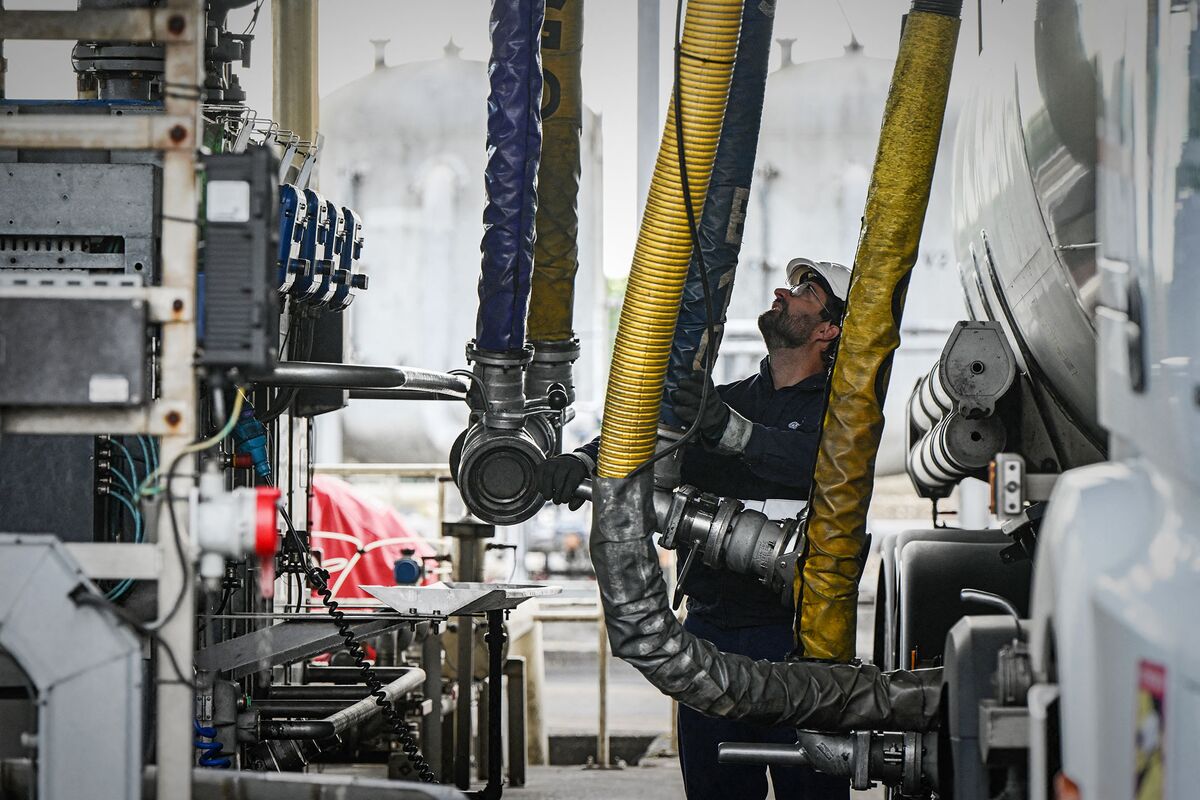
G7 Nations to Release 100 Million Barrels from Oil and Diesel Reserves
The G7 countries have agreed to release up to 100 million barrels of emergency oil and diesel reserves in response to soaring energy prices caused by global shortages and conflict.
11 sources · today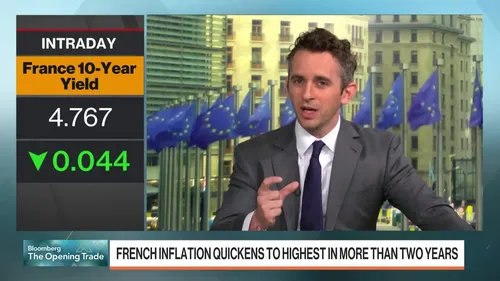
Inflation in France, Italy, and Eurozone Hits Highest Levels in Years
Soaring energy and food prices have pushed inflation rates in France, Italy, and across the Eurozone to their highest points since 2023, straining household budgets and raising economic concerns.
19 sources · over 3 days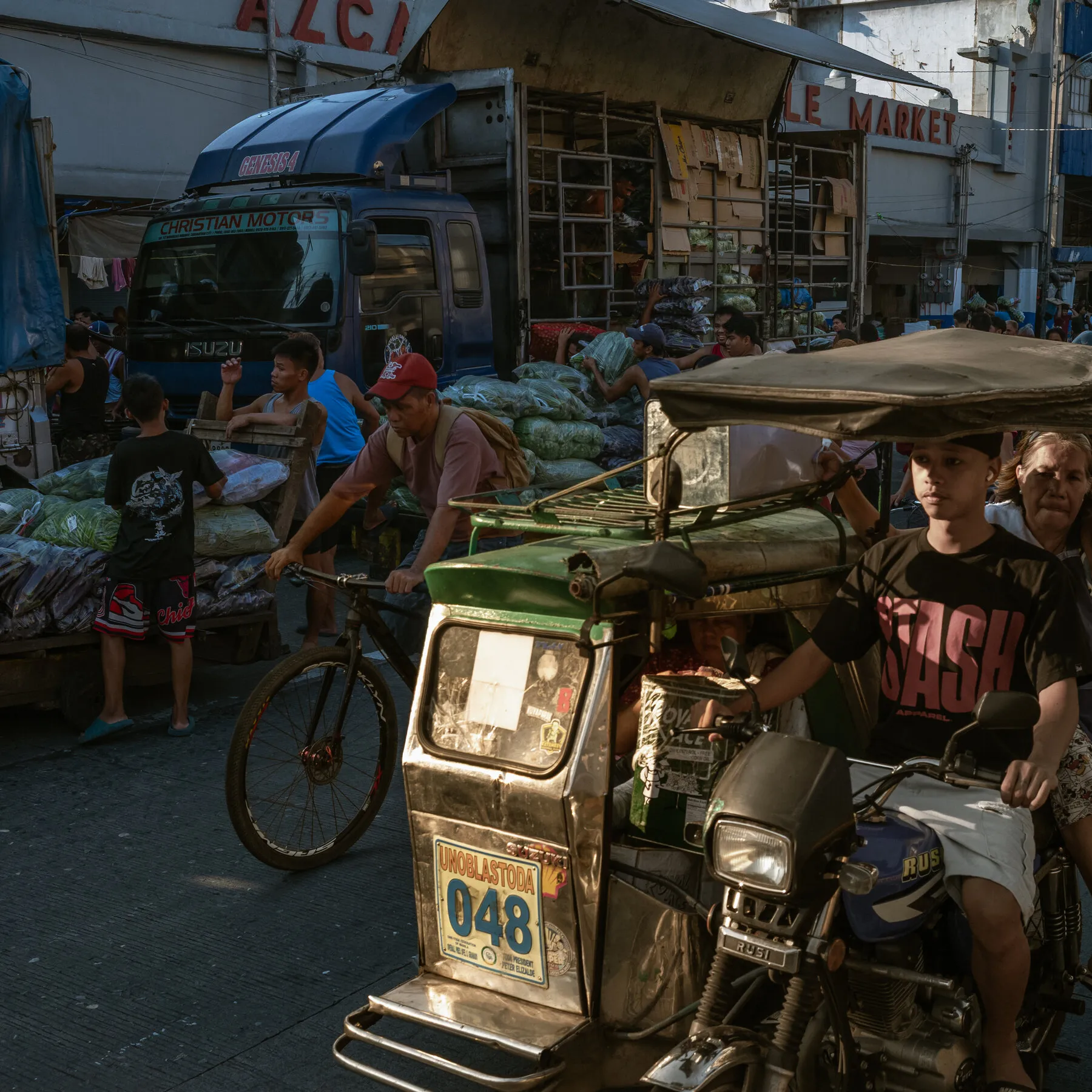
Trump's Diesel Export Ban Threat Triggers Emergency Fuel Talks Across Europe
President Trump's consideration of a US diesel export ban has alarmed European nations, prompting urgent discussions on fuel reserves as both sides try to prevent a global price surge.
34 sources · over 5 days