Jordan Bardella Denies Mediapart's Allegations of Antisemitic Remarks From 2013
French far-right leader Jordan Bardella faces controversy after Mediapart alleged he made antisemitic comments in 2013, which he strongly denies, calling the claims fabricated and announcing legal action.
By Aisha Karimi · First published 28 Sept 2026
In brief
- Mediapart published a report alleging Jordan Bardella made antisemitic remarks in private conversations dating back to 2013.
- Bardella, leader of the Rassemblement National party, has publicly denied the allegations and called them blatant fabrications.
- He announced plans to take legal action against Mediapart, accusing the outlet of spreading false information.
- The controversy has drawn significant media attention and could affect the public image of the National Rally party.
- The situation is still developing as Bardella's legal response and potential further evidence are awaited.
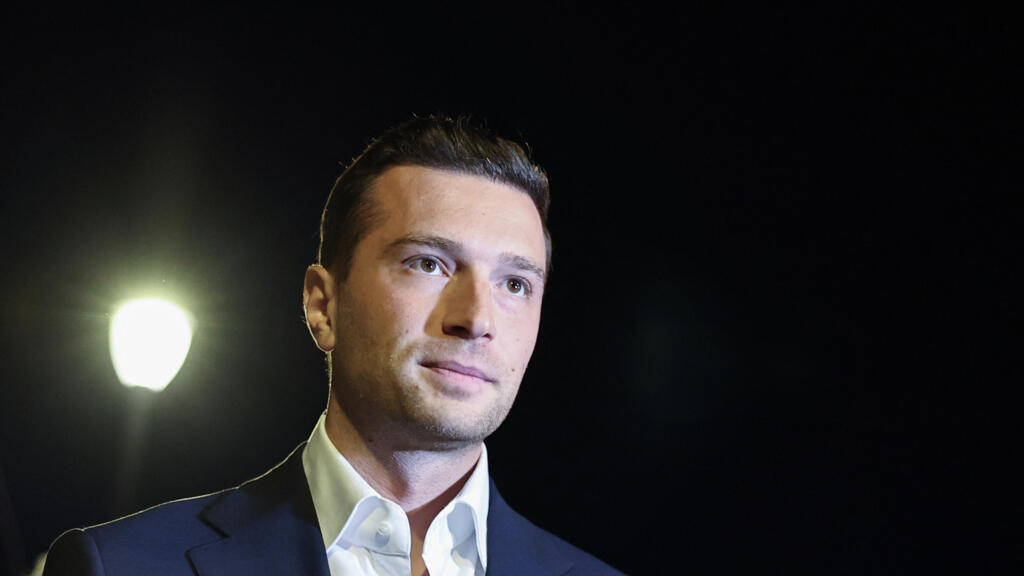
Timeline · 4 moments
Mediapart alleges Bardella made antisemitic remarks in 2013
Le Monde ↗Bardella publicly denies allegations and calls them fabrications
© Thibaud Moritz, AFP ↗Bardella announces plans to take legal action against Mediapart
Franceinfo ↗Media coverage grows, raising questions about National Rally's image
DER SPIEGEL - Schlagzeilen – Tops ↗How it started
The controversy began when the French investigative outlet Mediapart reported that Jordan Bardella, now the leader of the far-right Rassemblement National party, allegedly made antisemitic remarks in 2013. According to the reports, these remarks were supposedly made in private conversations during Bardella's early involvement with the party, when he was just starting out.
The claims date back to two years before Bardella's first election, placing them at the beginning of his political career. The allegations quickly gained attention due to Bardella's high profile and the sensitive nature of the accusations.
How it unfolded
On September 28, 2026, Mediapart published its investigation, attributing antisemitic comments to Bardella from a decade earlier. The report claimed these remarks were made in private chats and suggested a pattern of repeated antisemitic and conspiratorial statements.
Soon after the story broke, Bardella responded publicly. He strongly denied all allegations, labeling the supposed evidence as 'gross fakes' and 'blatant fabrications.' He insisted he never made such remarks and rejected any connection to the comments attributed to him.
Bardella also announced his intention to take legal action against Mediapart. He argued that the outlet was spreading false claims and damaging his reputation. His response was swift and unequivocal, aiming to counter the narrative before it could gain further traction.
The allegations have become a major topic in French media, with several outlets reporting on both Mediapart's claims and Bardella's defense. The story has also raised questions about the broader impact on the National Rally party, especially as it seeks to present a more mainstream image.
Where it stands
As of now, Bardella continues to deny the allegations and maintains that the evidence presented is fabricated. He has reiterated his commitment to pursuing legal action against Mediapart.
The situation is still unfolding. The controversy has not yet been resolved, and no court proceedings or new evidence have been reported as of the latest updates. The media and public are watching closely to see how both Bardella and Mediapart proceed.
What to watch
Key next steps include whether Bardella will formally file a lawsuit against Mediapart and if the outlet will release any further evidence supporting its claims. The impact on Bardella's political standing and the National Rally's reputation will also be closely monitored as the story develops.
More in World
All →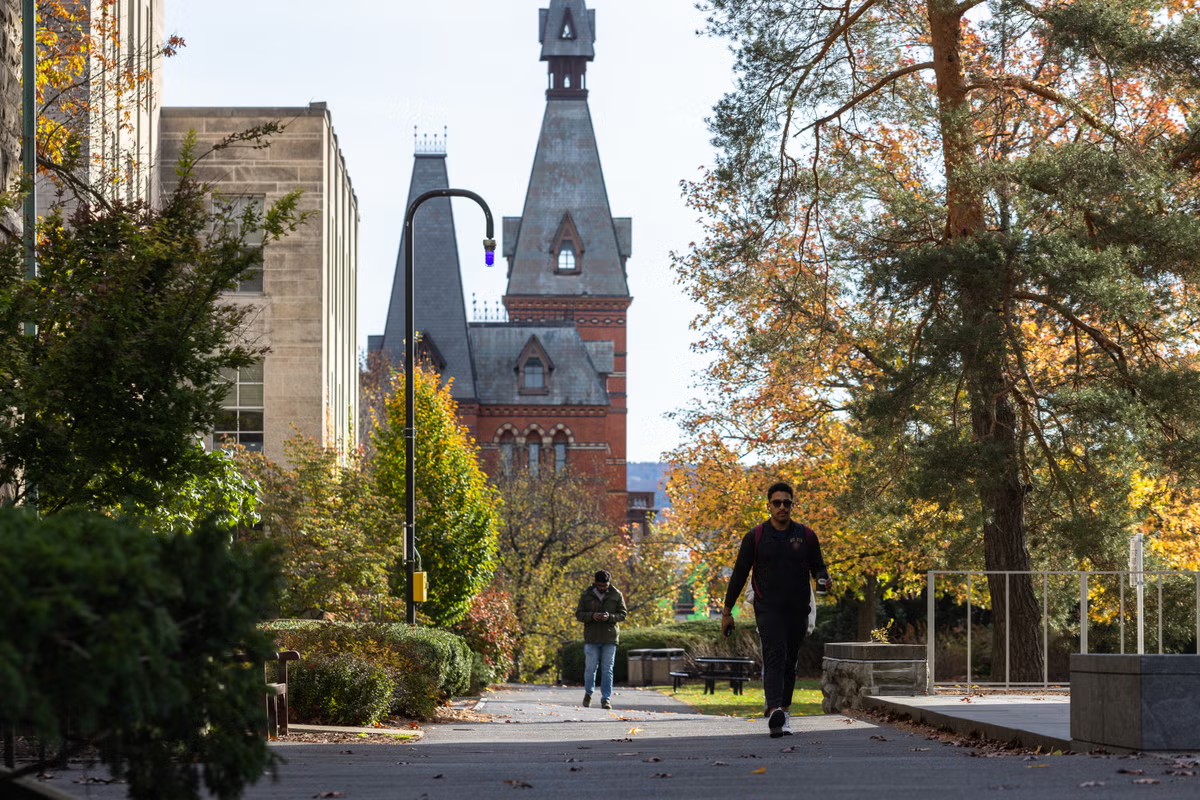
Cornell Faces Lawsuit and Reopened Probe Over Alleged Fraternity Gang Rape
A former Cornell student's lawsuit accusing fraternity members of gang rape has led prosecutors to reopen the case, raising questions about the university's response and disciplinary actions.
12 sources · today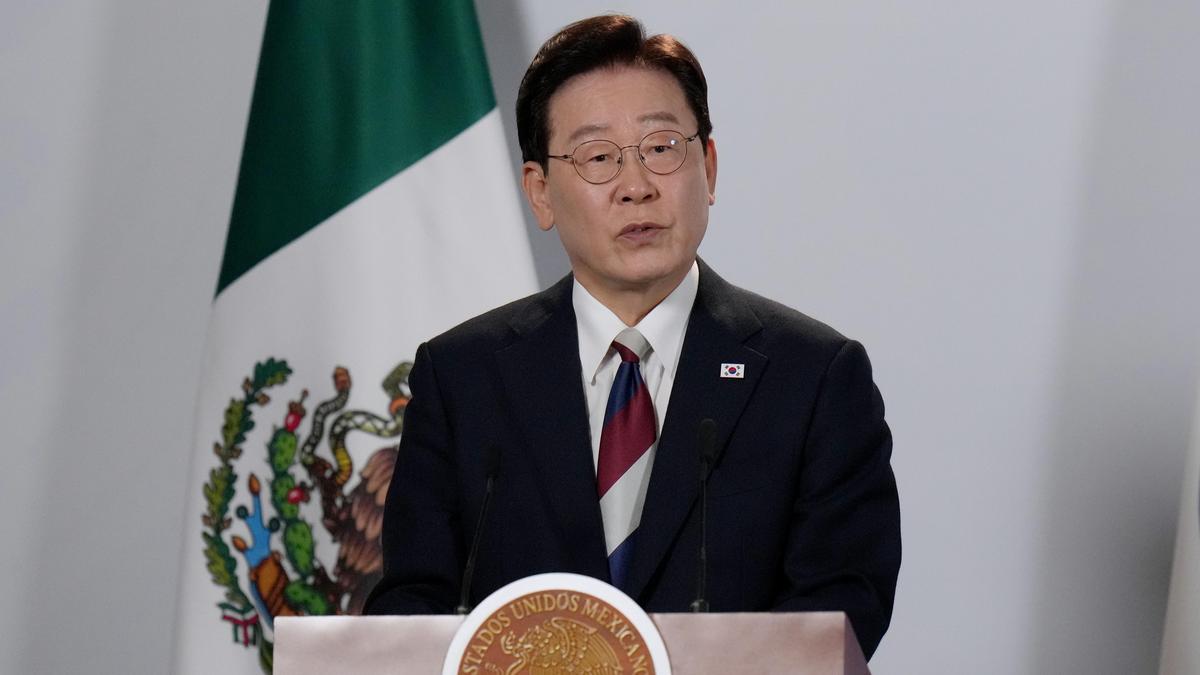
South Korea Demands Apology After Ukraine Reveals POW Transfer Deal
South Korea has demanded an official apology from Ukraine after details emerged about the confidential transfer of North Korean prisoners of war, straining ties between the two countries.
15 sources · today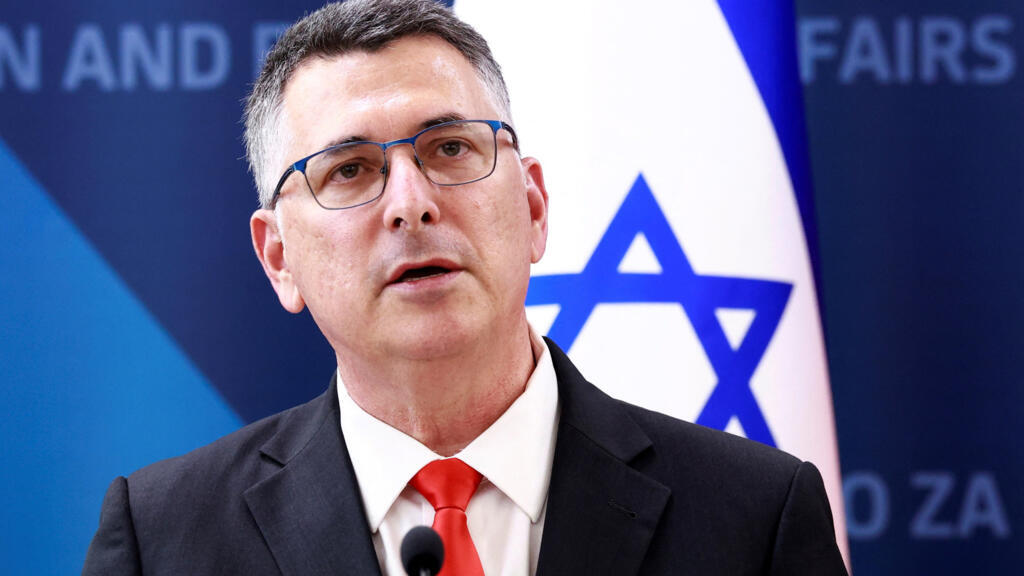
Israel Revokes Diplomatic Status of Dutch Officials in West Bank Dispute
Israel has withdrawn the diplomatic accreditation of Dutch diplomats in Ramallah after the Netherlands imposed an import ban on goods from Israeli settlements, significantly escalating tensions between the two countries.
15 sources · today