Madrid Pensioner Evicted After 71 Years, Sparking Nationwide Protests Over Housing Crisis
The forced eviction of 87-year-old Maricarmen Abascal from her longtime Madrid home has triggered widespread protests across Spain and renewed debate about tenant rights and rising housing costs.
By Priya Raghunathan · First published 26 Sept 2026
In brief
- An 87-year-old woman named Maricarmen Abascal was evicted from her Madrid apartment after living there for 71 years.
- The eviction followed a significant rent increase imposed by an investment fund, which Abascal was unable to pay.
- Hundreds of protesters tried to block the eviction, leading to clashes with police and use of teargas.
- The incident has sparked demonstrations in several Spanish cities and brought attention to Spain's ongoing housing crisis.
- Tenant unions and activists are now urging the government to introduce stronger protections for vulnerable renters.

Timeline · 7 moments
Police evict 87-year-old Maricarmen Abascal from Madrid home
Latest news, sport and opinion from the Guardian ↗Protests erupt in Madrid as eviction proceeds
nu.nl ↗UN and tenant union opposition to eviction fails to halt process
Euronews ↗Abascal hospitalized for exhaustion and stress after eviction
nu.nl ↗Nationwide demonstrations highlight housing crisis
NYT World News ↗Tenant unions demand urgent government action on housing
Arab News ↗Thousands protest in Madrid and other cities
Franceinfo ↗How it started
Maricarmen Abascal, an 87-year-old woman, had lived in the same apartment on Sainz de Baranda Street in Madrid since 1956. In recent years, her apartment became the property of an investment fund, which imposed a steep rent increase that Abascal could not afford. Despite appeals from tenant unions and even intervention from the United Nations, the eviction order was upheld by Spanish courts. The situation highlighted broader concerns about rising rents and the lack of protections for long-term tenants in Spain.
How it unfolded
On September 23, 2026, police arrived at the Retiro district apartment to carry out the eviction. Hundreds of protesters gathered outside, attempting to prevent authorities from removing Abascal. According to the Guardian, riot police used teargas during clashes with demonstrators, some of whom chanted slogans in support of Abascal.
Despite the protests and widespread calls for intervention, police escorted Abascal from her home. According to Euronews, images of her being removed on a stretcher drew national attention and outrage. The case quickly became a symbol of Spain's housing crisis, with demonstrations erupting in Madrid and other cities such as Granada.
Reports from NYT World News and BBC News noted that the incident pushed the issue of unaffordable rents and housing insecurity to the center of Spain's political debate. Abascal's family said she was suffering from exhaustion and stress, and she was admitted to a hospital following the eviction, according to nu.nl.
Protests continued in the days following, with tenant unions and activists calling for new laws to better protect vulnerable residents. The story dominated Spanish media, fueling further demonstrations and prompting political discussions about reforms.
Where it stands
As of late September 2026, Maricarmen Abascal remains in the hospital, recovering from the ordeal. Protests continue in Madrid and other Spanish cities, with thousands of people demanding government action on housing. Tenant unions are pressing for urgent legislative measures to prevent similar evictions in the future. The government is under increasing pressure to address the root causes of the housing crisis, particularly the role of investment funds and the lack of affordable options for elderly and long-term tenants.
What to watch
Spanish lawmakers face mounting demands to reform housing laws and strengthen protections for renters. It remains to be seen whether the government will introduce new legislation or take other steps in response to the public outcry and ongoing demonstrations.
More in World
All →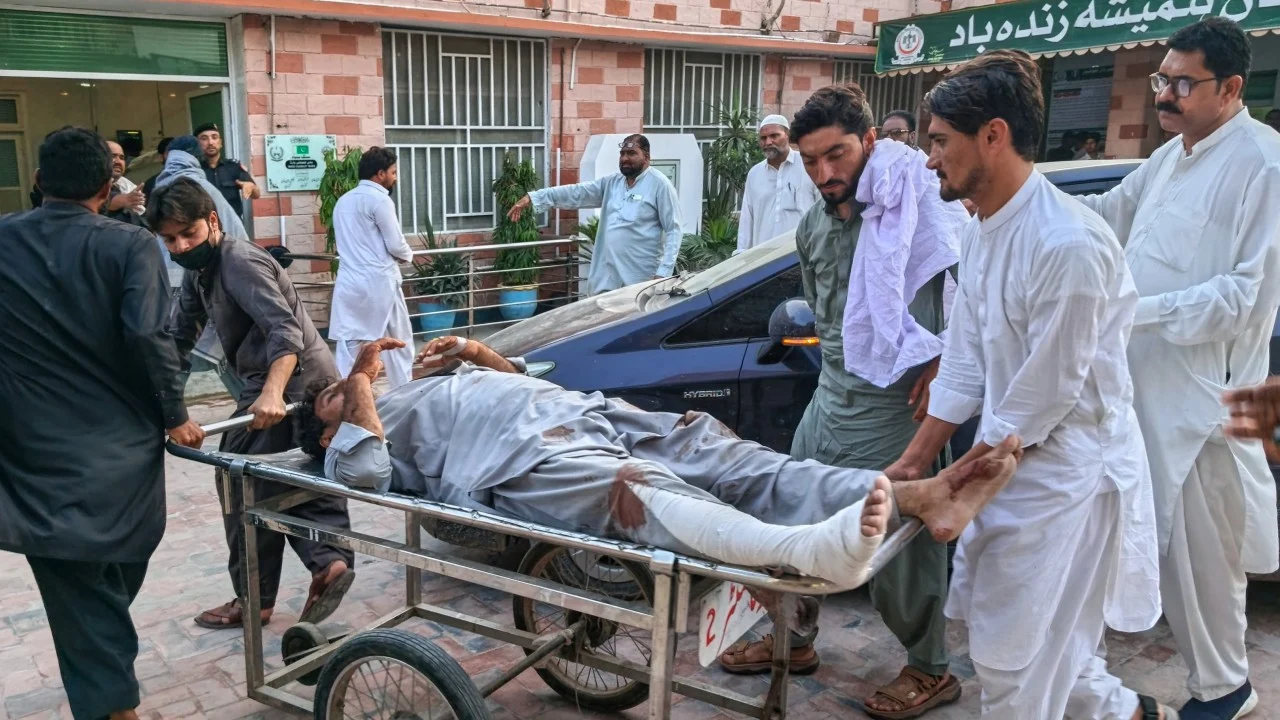
Death Toll Rises to 12 in Dera Ismail Khan Suicide Bombing
The fatality count increased and gunmen targeted an ambulance rescuing victims after the bombing in northwestern Pakistan.
11 sources · today
Trump Rejects Iran's 7-Day Hormuz Plan, Oil Prices Fall Again
President Trump has rejected Iran's proposal to reopen the Strait of Hormuz within a week, sending oil prices lower.
59 sources · over 4 days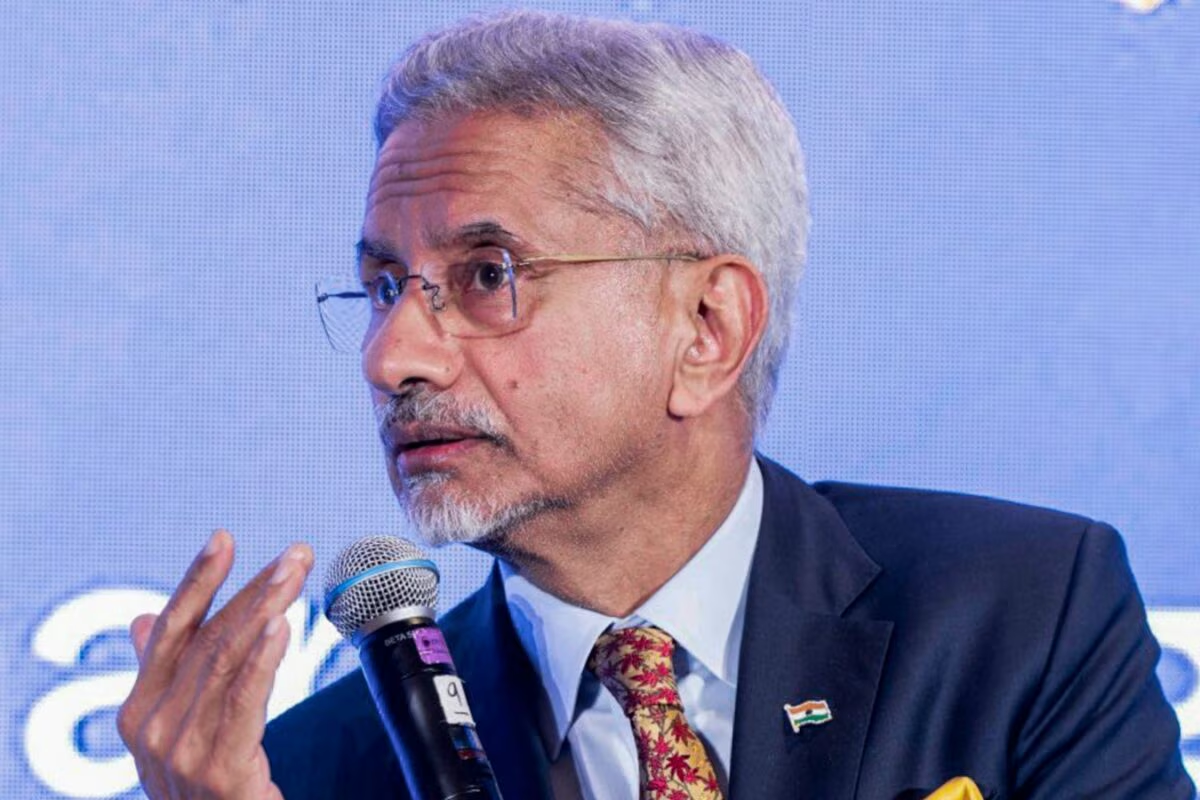
Jaishankar Rebukes Pakistani Reporter and Criticizes Pakistan at UN General Assembly
India's foreign minister S. Jaishankar sharply confronted a Pakistani journalist and later condemned Pakistan over terrorism at the United Nations General Assembly, highlighting ongoing regional tensions.
8 sources · over 2 days