More Than 300 Killed as Houthis and Yemeni Forces Clash Near Red Sea
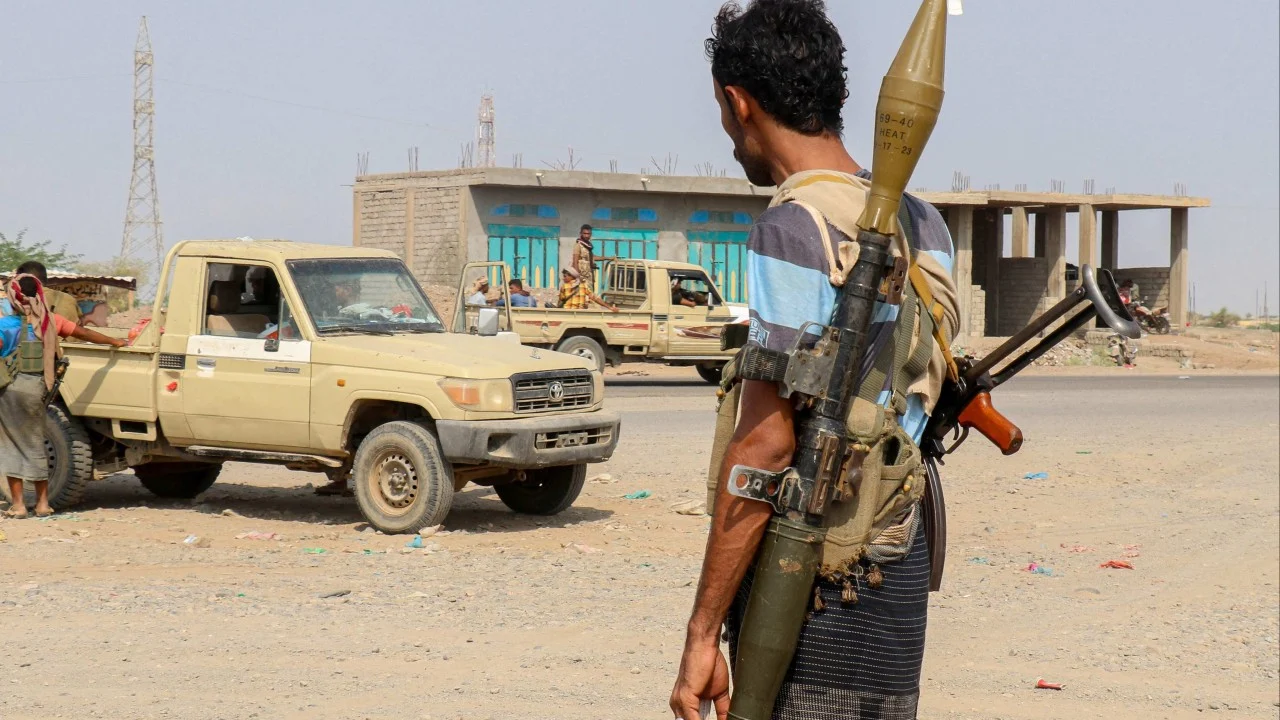
Heavy fighting in southwest Yemen between Houthi rebels and government forces has left hundreds dead and forced families to flee, raising fears of a wider regional escalation.
By Samuel Adeyemi · First published 8 Sept 2026
In brief
- Clashes erupted in late August and early September near Taiz and along Yemen's Red Sea coast.
- Yemeni government forces claim to have regained key territory, while Houthis continue to push toward strategic chokepoints.
- The death toll from recent fighting has surpassed 300, including civilians and combatants on both sides.
- Cross-border attacks have escalated, with Houthis striking Saudi infrastructure and Saudi-led forces launching air raids in Yemen.
- Civilians are increasingly caught in the violence, with dozens wounded or killed and many fleeing their homes.
Timeline · 10 moments
Clashes erupt between Houthis and Yemeni forces near Taiz
Al Jazeera ↗Dozens killed as Houthis advance toward Red Sea strait
NDTV News - World-news News ↗Yemeni army claims recapture of key territory in Hodeidah
Al Jazeera ↗Government launches air attacks on Houthi positions
Al Jazeera ↗Missile strike kills four civilians near Taiz
Al Jazeera ↗Yemeni forces announce full control of Hays district
Middle East Eye ↗Death toll from fighting surpasses 300, families flee
South China Morning Post ↗Saudi Aramco facility in Jizan hit by Houthi strikes
Financial Times ↗Air strike on Yemeni prison kills seven people
Al Jazeera ↗Houthi attacks on Saudi cities wound 73 civilians
Middle East Eye ↗How it started
The latest surge in violence began in southwestern Yemen, particularly near the Taiz province, an area that has often seen fierce fighting in the country's long-running conflict. In late August and early September, Houthi fighters launched new offensives against positions held by the Saudi-backed Yemeni government. Their goal appeared to be advancing along the Red Sea coast and disrupting key supply routes.
The collapse of a fragile truce in July set the stage for renewed battles. With both sides entrenched and external actors like Saudi Arabia and Iran involved, the region quickly saw a return to full-scale combat.
How it unfolded
By September 3, heavy clashes were reported near Taiz province. Houthis aimed to cut off government supply lines and move closer to the Bab el-Mandeb Strait, a strategic chokepoint for global shipping. Fighting intensified along the western coast, with reports of ground assaults and missile strikes.
On September 4, military and medical sources reported dozens of deaths, with the toll rising rapidly as battles raged. Both sides claimed territorial gains, particularly around the Hodeidah province and the key Hays district. Civilians were not spared, as missile attacks killed and injured people near crowded areas.
By September 5, the violence had spread further, including air raids by the Yemeni government and Saudi-led coalition targeting Houthi positions. Houthis responded with cross-border strikes, hitting Saudi infrastructure, including the Jizan refinery and Aramco facilities. The situation escalated over the weekend, with entire families fleeing their homes to escape the fighting.
On September 7, the confirmed death toll from military and humanitarian sources surpassed 300, making it the deadliest period since the 2022 truce collapsed. Reports also emerged of air strikes on a Yemeni prison, killing seven people, and dozens of civilians wounded in ongoing attacks.
Where it stands
The fighting remains intense, with both sides exchanging control over key districts. Government forces claim to have recaptured the Hays district, while Houthis continue to press toward strategic Red Sea points. Cross-border violence has also increased, with attacks injuring more than 70 civilians in Saudi Arabia and killing several in Yemen.
Hundreds of families have been displaced, and aid groups warn of worsening humanitarian conditions as the frontlines shift and civilian areas come under fire. The situation is volatile, and there is no sign of a new ceasefire.
What to watch
Attention is now on whether the fighting will spread further along the Red Sea coast, threatening shipping lanes and regional stability. The international community is watching closely for signs of escalation or renewed diplomatic efforts to halt the violence, but for now, the risk of a broader conflict remains high.
More in World
All →
Eiffel Tower Closed After Staff Strike Over Exclusion of Female Workers During Hindu Delegation Visit
The Eiffel Tower was abruptly closed as staff protested the removal of female employees during a Hindu group's visit, sparking investigations and debate over gender equality in France.
20 sources · today
Russia and North Korea Inaugurate First Road Bridge Across Tumen River Border
The new road bridge marks a significant step in deepening Russia-North Korea ties, allowing vehicles to cross the border freely amid growing cooperation since the Ukraine war.
15 sources · today
Bernie Ecclestone Arrested in Portugal for Carrying Shotgun on Private Jet
Bernie Ecclestone, the 95-year-old former Formula One boss, was arrested in Portugal after authorities found an illegal shotgun on his private jet.
11 sources · today