Nearly 86,000 Flee Yemen as Houthi Advances Trigger Mass Displacement and Regional Tensions
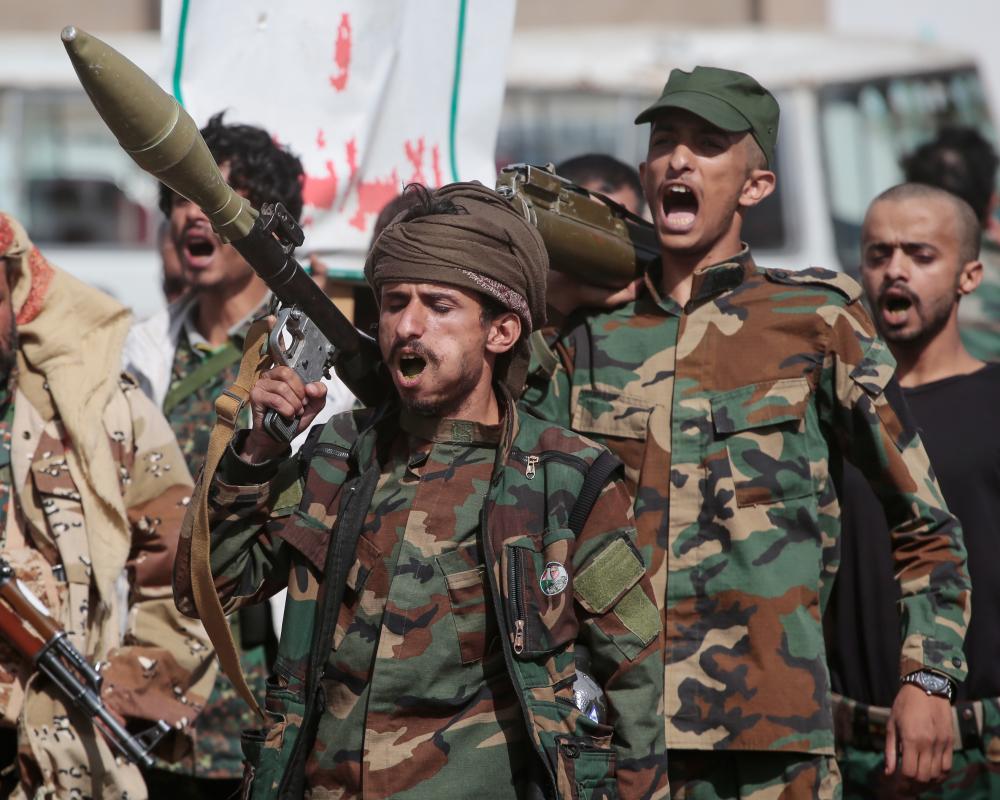
Intensifying clashes between Houthi forces and government troops in Yemen have forced tens of thousands to flee, sparked cross-border violence, and led to a growing humanitarian crisis.
By Ravi Menon · First published 14 Sept 2026
In brief
- Renewed fighting between Houthi rebels and Yemeni government forces has displaced nearly 86,000 people in just two weeks.
- The Houthis have captured key towns and Red Sea islands, tightening their control over strategic shipping routes.
- Thousands of Yemenis have fled to neighboring Djibouti by boat as violence and airstrikes escalate.
- Saudi Arabia has responded with dozens of airstrikes after Houthi attacks on its territory and military bases.
- Aid agencies warn that the humanitarian situation is worsening rapidly, with makeshift camps and shortages of basic supplies.
Timeline · 9 moments
UN reports 46,000 Yemenis displaced in one week
Arab News ↗Houthis seize towns, nearly 50,000 civilians flee Red Sea coast
The Guardian ↗Houthi projectile wounds civilians in southern Saudi Arabia
Middle East Eye ↗Yemenis begin fleeing to Djibouti by boat
Arab News ↗Displacement rises to nearly 86,000 as fighting intensifies
Middle East Eye ↗Thousands of Yemenis arrive in Djibouti seeking refuge
Franceinfo ↗Houthis capture Red Sea islands, tighten control of Bab el-Mandeb
Euronews ↗Saudi Arabia launches dozens of airstrikes after Houthi attacks
NDTV Top Stories ↗Yemeni forces launch counterattack west of Taiz
Arab News ↗How it started
The latest escalation in Yemen's long-running conflict began in early September 2026. Houthi forces, backed by Iran, launched renewed offensives against Saudi-supported government troops, particularly along the country's western coast. The fighting quickly intensified, with both sides vying for control of key towns and strategic locations near the Red Sea.
Displacement was immediate. According to early reports, tens of thousands of civilians were forced to abandon their homes as frontlines shifted. The United Nations and humanitarian agencies sounded the alarm as the number of displaced people began to rise by the hour.
How it unfolded
By September 11, the United Nations reported that at least 46,000 people had been displaced by the renewed fighting. The main areas affected were along the Red Sea coast, where Houthi advances threatened major trade routes and access to aid.
On September 12, the situation deteriorated further. Reports emerged that nearly 50,000 civilians had fled as Houthis seized towns and government forces attempted to push back. The fighting resulted in significant casualties and forced thousands to seek shelter in makeshift camps or with relatives in safer areas.
Cross-border violence escalated as Houthi projectiles wounded civilians in southern Saudi Arabia. Meanwhile, small but increasing numbers of Yemenis began arriving in Djibouti by boat, seeking refuge from the violence.
By September 13, the International Organization for Migration estimated nearly 86,000 people had been displaced since the start of the month. The Houthis expanded their control along the coast, and the humanitarian crisis deepened. Saudi Arabia intensified its airstrikes in response to Houthi attacks on its territory and military bases, including a major strike campaign reported on September 14.
The Houthis also captured more islands in the Red Sea, tightening their grip on the Bab el-Mandeb Strait, a crucial global shipping lane. Government forces launched counterattacks in some areas but struggled to regain lost ground.
Where it stands
As of mid-September, fighting remains intense in western and southern Yemen. Nearly 86,000 people have fled their homes, with thousands crossing the sea to Djibouti. The Houthis have consolidated control over several key Red Sea islands and towns, disrupting shipping and aid deliveries.
Saudi Arabia continues to conduct airstrikes against Houthi positions, while government forces attempt limited counteroffensives. Humanitarian agencies warn that camps for displaced people are overcrowded and supplies are running low.
What to watch
The next phase of the conflict will likely hinge on whether the Houthis attempt to advance further east toward Marib and Taiz, or if government counterattacks can slow their momentum. The humanitarian situation remains critical, and the risk of further displacement is high if fighting spreads to new areas. International attention is also focused on the security of Red Sea shipping lanes, which are vital for global trade.
More in World
All →
Nepal's Flash Floods Leave Over 1,300 Dead and Thousands Missing Amid Massive Damage
A deadly flash flood in northern Nepal has killed over 1,300 people, left more than 5,000 missing, and caused billions in damage, with rescue and recovery efforts still underway.
17 sources · over 4 days
DHS Watchdog Reveals Immigrants Held in Phone Booth-Sized Cages at Florida Facility
A federal report uncovered that migrants at the now-closed 'Alligator Alcatraz' detention center in Florida were confined in tiny outdoor cages, raising urgent questions about U.S. immigration enforcement practices.
8 sources · today
Woman Biker Injured After Alleged Car Chase and Collision in Gurugram
A woman riding a sports bike in Gurugram was chased, hit, and injured by a car after asking the driver to keep distance, raising concerns about road safety.
8 sources · today