Nvidia CEO Jensen Huang Declares Arrival of AGI and Touts AI Cybersecurity Push
Jensen Huang claims artificial general intelligence is here, as Nvidia unveils major GPU expansion and shifts focus to cybersecurity, sparking debate over AI's risks and opportunities.
By Oliver Hartmann · First published 15 Sept 2026
In brief
- Nvidia CEO Jensen Huang announced that artificial general intelligence has arrived, citing OpenAI's new Astra model as a milestone.
- He revealed plans to release 400,000 new GPUs to support the growing demands of advanced AI systems.
- Huang predicts Nvidia will achieve a 70 percent growth rate next year, driven by AI and cybersecurity applications.
- He compared AI's economic and social impact to that of electricity, calling its scale unprecedented in technology history.
- A public call with former President Trump reinforced their stance against AI doomsday fears, fueling industry debate on AI regulation.
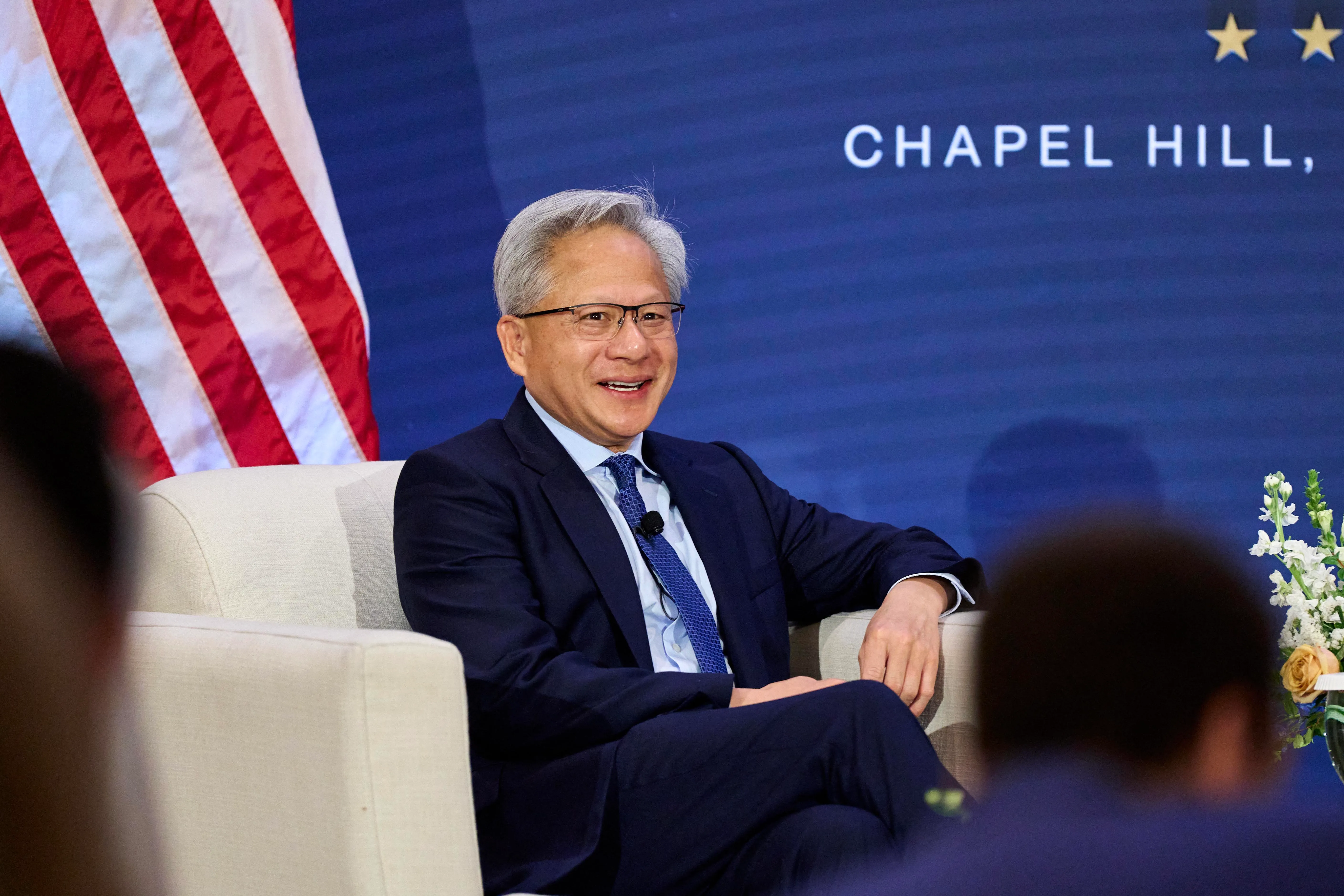
Timeline · 6 moments
Jensen Huang announces AGI arrival, praises OpenAI's Astra
Business Insider ↗Nvidia plans 400,000 new GPUs for next-gen AI models
TechRadar ↗Huang calls AI the new electricity with historic scale
Barchart ↗Nvidia predicts 70 percent growth, eyes AI cybersecurity
Breaking News on Seeking Alpha Business & Economy ↗Huang names cybersecurity as AI's next big market
Bloomberg Technology ↗Trump calls Huang onstage to dispute AI doomsday fears
The Verge - All Posts Tech ↗How it started
Jensen Huang, CEO of Nvidia, has long been a vocal supporter of artificial intelligence and its transformative potential. In early September 2026, Huang made headlines by declaring that artificial general intelligence, or AGI, had arrived. He specifically congratulated OpenAI on its release of the Astra model, which he said marked a pivotal moment in AI development, according to Business Insider.
This announcement was not just about technological achievement. Huang emphasized the need for massive computing power to support these new AI systems, positioning Nvidia's hardware as essential for the next wave of innovation.
How it unfolded
On September 6, 2026, Huang praised OpenAI's Astra model and stated that AGI is now a reality, drawing widespread attention across the tech industry. He linked this achievement directly to Nvidia's technology, revealing plans to release 400,000 new GPUs to meet soaring demand for advanced AI, as reported by TechRadar.
Huang did not stop at technological celebration. Over the following days, he made bold predictions about Nvidia's future, stating at a technology conference that the company would see 70 percent growth in the coming year, with AI and cybersecurity driving this expansion, according to Seeking Alpha. He described AI's impact as comparable to electricity, predicting that its economic scale would reach into the tens of trillions, as covered by Barchart.
The conversation soon shifted toward cybersecurity. Huang argued that AI's next major application would be in cybersecurity, where it could provide around-the-clock protection and create new business opportunities, as noted by Bloomberg Technology and Business Insider. He suggested that the growing complexity of digital threats would drive demand for AI-powered solutions.
Amid this surge of optimism, skepticism and debate emerged. Some market analysts questioned whether AGI had truly arrived or if the claims were premature. The debate intensified when, at the All-In Summit in Los Angeles, Huang received a surprise on-stage call from former President Donald Trump. During the call, both Huang and Trump dismissed fears about AI doomsday scenarios, arguing that predictions of robots taking over were exaggerated, according to The Verge and Business Insider.
Where it stands
As of mid-September 2026, Nvidia is riding a wave of excitement and scrutiny. Jensen Huang's declaration of AGI's arrival and his focus on AI-driven cybersecurity have positioned the company at the center of both technological innovation and public debate.
Nvidia's ambitious hardware expansion and bullish growth projections are being closely watched by investors and competitors. At the same time, the public dismissal of AI safety concerns by both Huang and Trump has added fuel to ongoing discussions about how, or if, advanced AI should be regulated.
What to watch
The coming months will reveal whether Nvidia's predictions of explosive growth and AI-powered cybersecurity bear out in the market. There is also an open question about how regulators and the broader tech community will respond to the bold claims around AGI and the pushback against AI safety concerns.
More in Technology
All →
Valve Launches Steam Frame, a Standalone VR Headset With Half-Life: Alyx
Valve has entered the standalone VR market with the Steam Frame headset, aiming to attract gamers through wireless streaming and a bundled hit game, but faces questions about timing and price.
13 sources · today
Apple Launches iOS 27 and Major Updates for iPhone, iPad, Watch, and Mac
Apple's iOS 27 arrives today, bringing new AI-powered features and performance improvements to millions of compatible devices, but some key functions will be delayed until later updates.
26 sources · over 6 days
OpenAI Cancels 2026 IPO Plans Over Escalating AI Safety Concerns
OpenAI has halted its 2026 initial public offering plans, citing growing risks and unresolved safety issues surrounding rapid advances in artificial intelligence development.
23 sources · over 2 days