RBI Orders Tata Sons to Go Public, Triggering Boardroom Turmoil and IPO Plans
India's central bank has forced Tata Sons to prepare for a public listing, setting off a leadership dispute and raising questions about the future of the Tata Group.
By Kwame Mensah · First published 17 Sept 2026
In brief
- The Reserve Bank of India has denied Tata Sons' request to remain private and ordered the company to list on the stock market.
- Tata Sons is the holding company of the Tata Group, one of India's largest and most influential conglomerates.
- The RBI's decision follows Tata Sons' status as a core investment company, a category with strict regulatory requirements including the need for a public listing.
- A board meeting saw Tata Sons extend Chairman N Chandrasekaran's term, but this move was immediately challenged as illegal by Tata Trusts and Noel Tata.
- The IPO process is expected to unlock significant value for Tata Group stakeholders, but internal disputes and possible legal battles may delay the process.
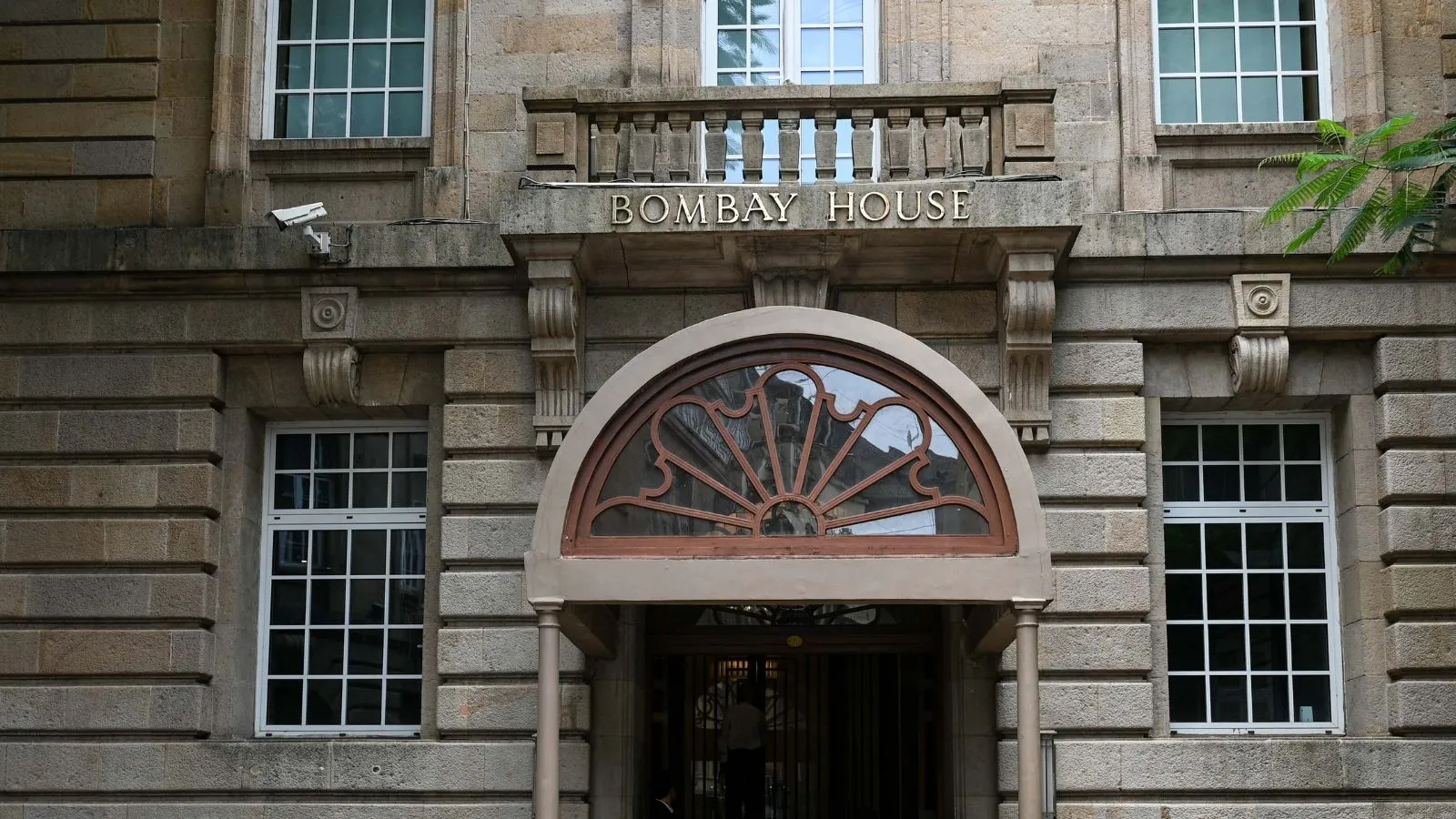
Timeline · 8 moments
RBI rejects Tata Sons' plea to remain private
Indian Express ↗Tata Sons board meets to discuss RBI directive
Business Line - Home ↗RBI files caveat in Bombay High Court over listing
Indian Express ↗Shares of Tata Group companies rally on IPO hopes
Economic Times Business & Economy ↗Tata Trusts may seek further clarity from RBI
Business Line - Home ↗Tata Sons extends Chandrasekaran's term as chairman
Autocar India - News Cars ↗Tata Trusts calls reappointment of chairman illegal
Indian Express ↗Boardroom battle intensifies over Tata Sons leadership
Business Line - Home ↗How it started
Tata Sons, the main holding company of the Tata Group, has long operated as a private entity, controlled primarily by Tata Trusts. Over the years, its status as a core investment company or shadow lender drew attention from regulators who oversee large financial entities in India.
Recently, Tata Sons applied to the Reserve Bank of India (RBI) to relinquish its registration as a core investment company, hoping to avoid the regulatory burden and mandatory public listing that comes with this status. The company argued it should be allowed to remain private given its unique structure and governance.
How it unfolded
On September 12, 2026, the RBI formally rejected Tata Sons' plea to stay private and ordered it to comply with listing requirements. The central bank made it clear that Tata Sons' size, systemic importance, and risk profile meant it must stay registered as a non-banking financial company and proceed toward an IPO.
Tata Sons' board met to discuss the implications of the RBI's decision and possible legal responses. Legal experts noted that a court challenge would be difficult, as courts rarely overrule the RBI on financial regulatory matters.
The RBI reinforced its stance by filing a caveat in the Bombay High Court to preempt any legal action from Tata Sons, signaling it was prepared for a potential legal fight.
Meanwhile, the news triggered a rally in the shares of Tata Group companies that hold stakes in Tata Sons, as investors anticipated the value that a public listing could unlock. The board also debated leadership, with N Chandrasekaran's reappointment as chairman sparking an immediate dispute. Noel Tata and Tata Trusts challenged the legality of the vote, citing procedural concerns.
By mid-September, the boardroom battle intensified, with Tata Trusts officially calling Chandrasekaran's extension illegal and demanding the process for a successor begin. The leadership struggle now runs parallel to the regulatory and listing challenges.
Where it stands
Tata Sons is now required by the RBI to prepare for a public listing, and the board has started to take steps toward this process. However, the company is facing internal conflict over its leadership, as the reappointment of the chairman is contested by key stakeholders.
The RBI has moved to protect its order in court, and Tata Sons' boardroom remains divided over both the IPO and the future direction of the company. The outcome of these disputes will shape not just Tata Sons, but the entire Tata Group's future.
What to watch
Key questions remain about how and when Tata Sons will proceed with the IPO, given the ongoing leadership dispute and the potential for legal challenges. How the board and major shareholders resolve these conflicts will determine the pace and success of the public listing, and may have lasting effects on Tata Group governance.
More in Business
All →
Putin Orders Nestlé's Russian Assets Into State Control Amid Growing Tensions
Russian authorities have placed Nestlé's Russian operations under state management, escalating uncertainty for foreign companies as Nestlé considers possible legal and strategic responses to protect its interests.
8 sources · today
Japan's Inflation Slows as Bank of Japan Raises Interest Rates to 31-Year High
Japan's inflation rate slowed in August, prompting the central bank to hike interest rates to their highest level since 1995, signaling a shift in monetary policy.
14 sources · today
Clearlake Capital Now Owns 86.5% of Chelsea, Boehly Exits as Chairman
Clearlake Capital has increased its stake in Chelsea FC to 86.5 percent, with Todd Boehly stepping down as chairman.
15 sources · today