Record Diesel Prices Hit US Amid Iran Conflict and Global Supply Shocks
Diesel prices in the United States have soared above $6.50 per gallon, driven by the Iran war and global supply disruptions, straining the economy and prompting calls for drastic policy action.
By Claire Dubois · First published 23 Sept 2026
In brief
- US diesel prices have reached record highs, topping $6.50 per gallon as of late September 2026.
- The ongoing war with Iran and attacks on Russian refineries have disrupted key oil trade routes and refining capacity.
- Rising diesel costs are impacting transportation, agriculture, and food prices, further fueling inflation across the US.
- President Trump and lawmakers are considering a ban on US diesel exports to bring domestic prices down.
- Experts warn that export bans and ongoing conflicts could prolong the global diesel shortage well into 2027.
Timeline · 8 moments
Americans struggle as diesel and gas prices surge
ABCNews.com ↗Experts warn diesel price spike will worsen
The Independent ↗Record diesel prices hit US transportation sector
CNBC ↗US diesel price sets new record at $6.49 per gallon
Mehr News (English) ↗Trump says Russia lost control of diesel industry
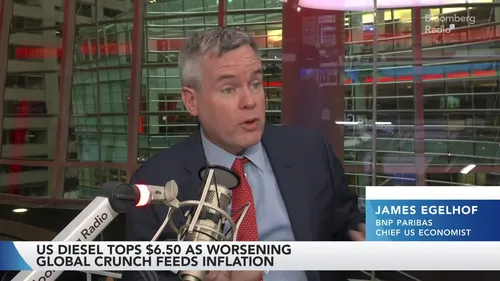
The Hill ↗US diesel prices top $6.50 as supply crunch worsens
Bloomberg ↗Trump administration studies feasibility of diesel export ban
CNBC International ↗Experts warn global diesel shortage may last into 2027
Quartz ↗How it started
The surge in diesel prices began in the wake of renewed conflict between the United States and Iran. As military operations escalated, disruptions hit the Strait of Hormuz, a critical passage for global oil shipments. This led to immediate concerns about oil supply chains and refining capacity, especially as the US and its allies scrambled to secure alternate routes and sources.
At the same time, the Russia-Ukraine war was already straining the global energy market. Attacks on Russian refineries further reduced available supply, compounding the shortages triggered by the Iran conflict. These overlapping crises set the stage for an unprecedented spike in diesel and gasoline prices.
How it unfolded
By mid-September 2026, Americans were already feeling the pain at the pump, with diesel and gas prices climbing rapidly. According to coverage from ABC News, families and businesses across the country began making tough choices to cope with the higher cost of living.
On September 17, experts warned that the situation could get even worse as diesel prices hit record levels, and former President Trump called the soaring costs 'a very inexpensive price to pay' for the war effort. The transportation sector was among the first hit, with trucking and rail companies facing severe cost pressures.
By September 20, the American Automobile Association reported a new record diesel price of $6.49 per gallon. Iranian and other international outlets pointed to the US-Iran conflict and the disruption of the Strait of Hormuz as key drivers. Calls for policy intervention grew louder, with prominent politicians urging the White House to consider a ban on diesel exports.
In the following days, President Trump publicly acknowledged the crisis, citing Ukrainian strikes on Russian energy infrastructure as a major factor in the global diesel shortage. He urged Ukraine to halt these attacks, fearing further price escalation.
By September 22, the administration confirmed it was seriously studying the feasibility of a diesel export ban. President Trump stated his support for such a policy, hoping it would bring relief to American consumers and businesses. However, industry experts cautioned that an export ban might not reduce prices and could even backfire.
Where it stands
As of late September 2026, diesel prices in the US remain at historic highs, hovering above $6.50 per gallon. The cost of gasoline and heating oil has also surged, adding to inflationary pressures and squeezing households and industries across the country.
The Trump administration is weighing whether to restrict diesel exports in an attempt to lower domestic prices, but there is no consensus on whether this would help. The global diesel shortage, fueled by ongoing conflicts and damaged infrastructure, shows no immediate signs of easing.
What to watch
Key decisions on US diesel export policy are expected soon, with potential impacts on both domestic prices and international energy markets. Observers are also watching developments in Iran and Ukraine, as further disruptions could tighten supplies even more. The coming winter may bring additional hardship, particularly for Americans who rely on diesel-based heating oil.
More in Business
All →
DoorDash to Pay $131.5 Million in NYC Worker Settlement
DoorDash agreed to pay $131.5 million to settle claims it underpaid over 260,000 New York City delivery workers.
15 sources · today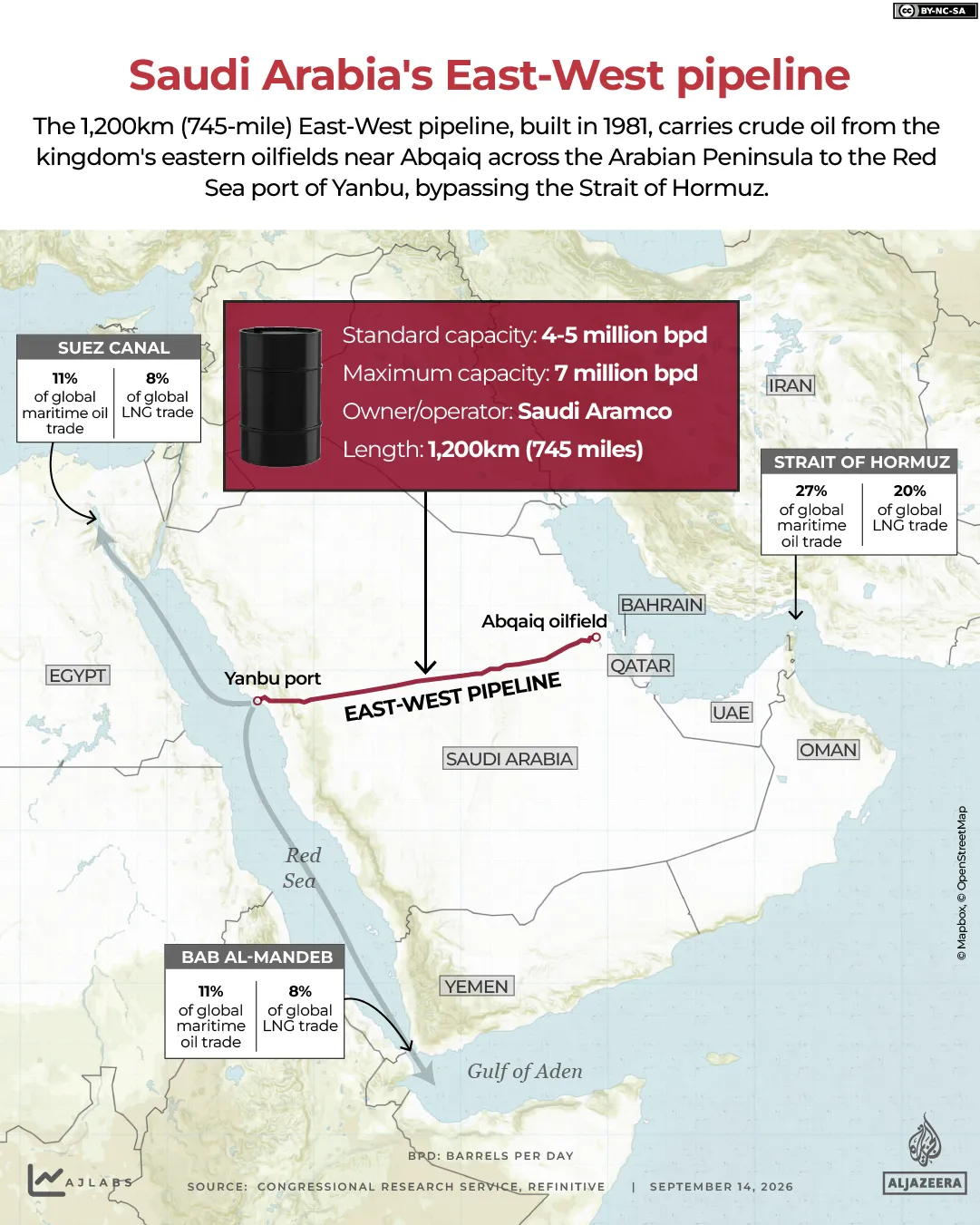
Saudi Arabia Restarts Pipeline, Oil Exports to Europe Set to Resume
Saudi Arabia has restarted its key pipeline and plans to resume crude shipments, easing global supply concerns after the attack.
24 sources · over 8 days
Paramount Reaches Settlement With States, Clearing Warner Bros. Merger Path
A major antitrust lawsuit blocking Paramount's $110 billion merger with Warner Bros. Discovery has been settled, removing the last big obstacle to the deal's completion after months of negotiations.
45 sources · over 4 days